
This guide was synthesized using the latest legislative data and verified by our editorial board. Laws are subject to change; always consult official sources for final confirmation.
Living in Suriname offers a unique blend of multicultural experiences, but it also comes with its own set of unwritten rules and social norms that can be quite different from those in Western countries. Understanding these subtleties will help expats integrate more easily into Surinamese society, enrich their daily interactions, and cultivate meaningful relationships. This article explores key cultural practices, communication styles, and social etiquette that expatriates should be aware of when living in Suriname.
The Multicultural Mosaic of Suriname
Suriname is home to a rich tapestry of ethnic groups, including Hindustani, Maroon, Creole, Javanese, Indigenous peoples, and Chinese communities. This diversity significantly influences social interactions, festivals, and daily life. For expats, embracing this multicultural aspect can lead to rewarding experiences, both personally and socially.
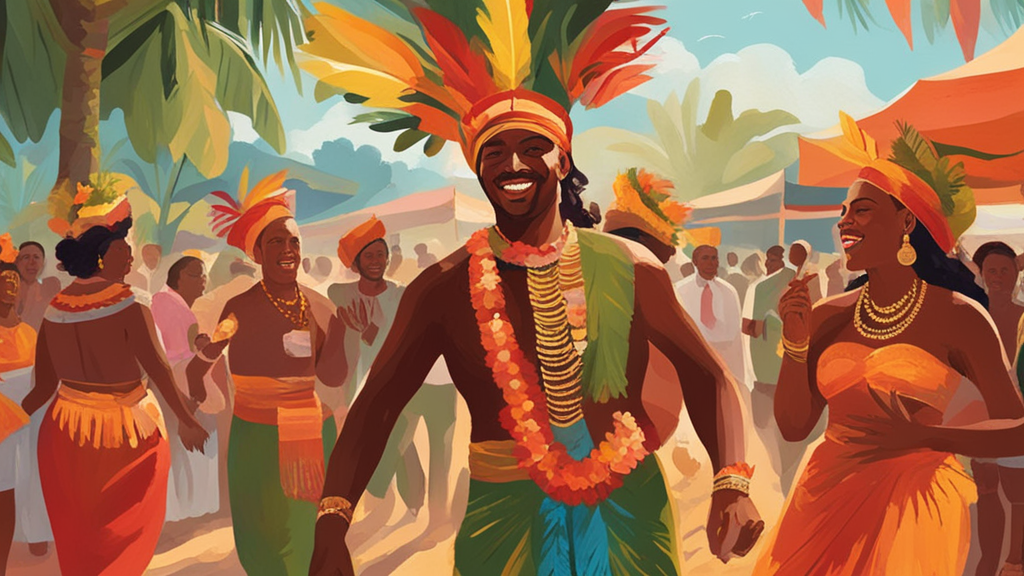
For example, during significant cultural events like Keti Koti (July 1), which commemorates the abolition of slavery, all communities participate in celebrations marked by parades, music, and food. Understanding the historical context of these celebrations can foster deeper connections with locals. Similarly, events like Phagwa (Holi) and Diwali bring together various ethnic groups, creating opportunities for expats to engage with the community through festivities. Participating in these events not only showcases respect for local traditions but also allows for authentic interactions with locals.
Language and Communication Styles
In Suriname, communication is often characterized by multilingualism. While Dutch is the official language and predominantly used in formal settings, Sranan Tongo serves as the lingua franca in everyday conversations. Additionally, many locals speak various community languages, including Hindi, Javanese, and Indigenous languages. For expats, picking up a few phrases in Sranan Tongo, such as “Fa waka?” (How are you?), can break the ice and show a willingness to engage with the local culture.
It's also essential to understand the fluidity of language in social interactions. Surinamese people often switch between languages based on context, which can be confusing for newcomers. However, this fluidity reflects the culture’s emphasis on relationships over rigid communication structures. Expats should prioritize building relationships over strictly adhering to formal communication. This means being open, using humor, and engaging in friendly banter, which is often appreciated by locals.
The Concept of Time: "Suriname Time"
One of the most notable cultural differences expats may encounter is the perception of time. Suriname leans toward a polychronic approach, where relationships and social interactions take precedence over strict schedules. While punctuality is appreciated in professional settings, it is common for social events to start later than planned. This relaxed attitude towards time can be frustrating for those accustomed to strict adherence to schedules.
Expats should embrace this cultural norm by being adaptable and patient. If invited to a gathering, expect delays, and instead of stressing about the clock, enjoy the opportunity to engage with others in a more relaxed setting. Being flexible not only helps in adjusting to local customs but also builds rapport with Surinamese friends and colleagues.
Social Etiquette and Greetings
When greeting someone in Suriname, a warm handshake is the standard. However, with close acquaintances, a kiss on the cheek (usually starting with the right cheek) is common. Exchanging pleasantries is important; this can include asking about someone’s family or health, reflecting the value placed on relationships in Surinamese culture. Expats should not rush through greetings, as taking time to engage in small talk is seen as a sign of respect.
Additionally, it is vital to show respect for local customs, especially during religious observations. For instance, during Ramadan, it is considerate to refrain from eating or drinking in public during daylight hours if you are aware that your colleagues are observing the fast. Such gestures of respect can significantly enhance your standing within the community.
Understanding Hierarchies and Professional Relationships
In Suriname, social and professional hierarchies exist but may not be as rigid as in some Western cultures. While respect for authority is important, relationships play a crucial role in professional dynamics. Expats should focus on building personal connections with colleagues before diving into business matters. This may involve informal meetings over lunch or coffee, allowing for a more relaxed environment to foster trust and camaraderie.
Moreover, being aware of the diverse backgrounds of your colleagues can help navigate any potential cultural differences. For instance, Javanese colleagues may value consensus in decision-making, while Creole individuals might prefer a more direct approach. Taking the time to understand these nuances can lead to more effective communication and collaboration in the workplace.
What Expats Should Know: Practical Tips
To thrive in Suriname, expats should consider the following practical tips:
- Participate in Local Festivals: Join in on cultural celebrations to understand the diverse traditions and to build connections with the community.
- Learn Basic Phrases: Familiarize yourself with Sranan Tongo and basic Dutch phrases to show your willingness to engage with locals.
- Be Flexible with Time: Adopt a relaxed attitude towards time, especially in social settings, to align with local customs.
- Build Relationships: Invest time in getting to know colleagues and neighbors. This approach will help you integrate into Surinamese society more smoothly.
- Respect Religious Practices: Be mindful of local religious customs and practices, particularly during important observances.
- Embrace the Culinary Diversity: Explore the rich food culture of Suriname, which reflects its multicultural heritage. Trying local dishes is a great way to connect with others.
Conclusion
Living in Suriname offers a rich tapestry of experiences shaped by its diverse cultural landscape. By understanding the unwritten rules and social norms, expats can navigate daily life more effectively and build meaningful relationships with locals. Embracing the multicultural identity, adapting to the relaxed perception of time, and engaging with the community during festivals will enhance your expat journey in this vibrant country. With a bit of effort and an open mind, you can truly make the most of your time in Suriname.
AI-Generated Content: This article was created with AI assistance and may contain inaccuracies. Please verify important information with official sources.
Primary Sources
Last updated: September 2026