This guide was synthesized using the latest legislative data and verified by our editorial board. Laws are subject to change; always consult official sources for final confirmation.
In recent years, there has been a noticeable trend of Dutch citizens, particularly those with Surinamese roots, choosing to return to Suriname. This shift is driven by a combination of factors including cultural reconnection, economic considerations, quality of life, and historical ties. Understanding why this repatriation is occurring can provide valuable insights for expatriates contemplating a similar journey.
Cultural Reconnection and Heritage
Many individuals of Surinamese descent living in the Netherlands feel a strong desire to reconnect with their cultural roots. The historical ties between Suriname and the Netherlands are deeply intertwined, dating back to the colonial era. As a result, many Dutch citizens, especially those of Surinamese heritage, find it essential to immerse themselves in the culture they feel connected to.
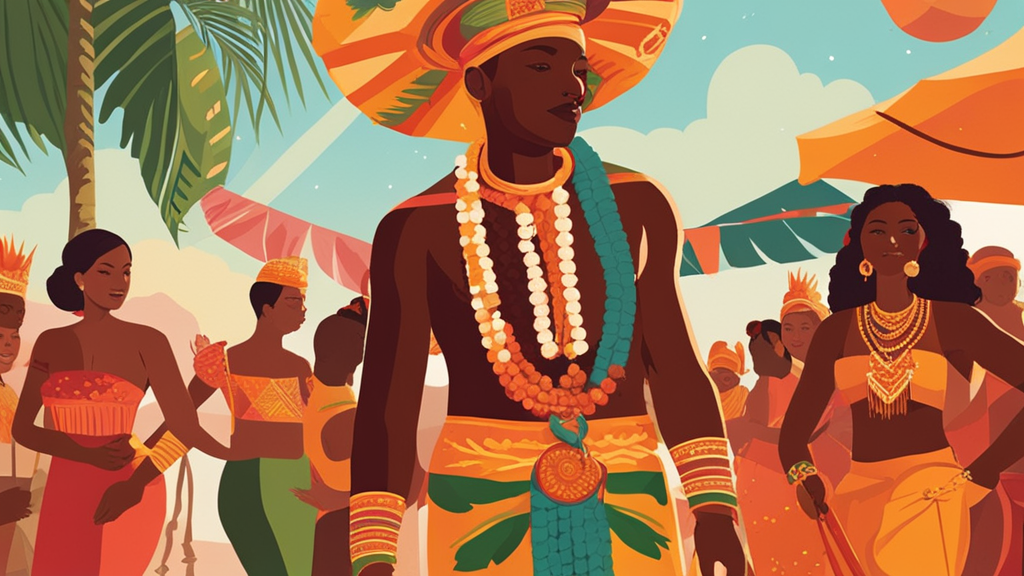
Suriname is a melting pot of cultures, with influences from African, Indian, Indigenous, and Dutch traditions. Festivals such as Keti Koti, celebrated on July 1, commemorate the abolition of slavery and highlight the importance of cultural heritage. Observances like Phagwa (Holi) and Diwali allow returnees to participate in vibrant celebrations that honor their ancestry. Engaging with these events can help returnees navigate their cultural reintegration, fostering connections with local communities.
Building Family Connections
Family ties play a significant role in the decision to move back. Many returnees want to be closer to relatives, particularly parents or grandparents who may still reside in Suriname. The emotional connection to family can be a powerful motivator, offering support networks that facilitate the transition back to Surinamese life.
Additionally, many returnees want their children to experience the rich cultural tapestry of Suriname. By immersing their families in local traditions, they believe their children can gain a better understanding of their heritage and identity. This familial connection not only enriches personal lives but also strengthens community bonds, as families often engage in local customs and celebrations together.
Economic Opportunities and Cost of Living
While the economic landscape in Suriname presents its challenges, there are also emerging opportunities that attract returnees. The country has a wealth of natural resources, and sectors such as agriculture, mining, and tourism are ripe for investment and development. Many returnees see potential in these areas, aiming to contribute their skills and expertise to local businesses or even start their own ventures.
The cost of living in Suriname is also a significant consideration. While some imported goods can be expensive, local produce and services are typically more affordable than in the Netherlands. For instance, renting a home in Paramaribo can vary widely based on location but is generally more cost-effective than urban centers in Western Europe. Many expatriates find that they can enjoy a higher quality of life for less money, particularly when it comes to daily expenses like food and transportation.
Lower Living Costs and Improved Lifestyle
Living in Suriname offers a unique lifestyle that contrasts sharply with life in the Netherlands. The tropical climate, with average temperatures ranging from 27°C to 32°C (80°F to 90°F), allows for year-round outdoor activities. The absence of harsh winters means that individuals can enjoy a more relaxed lifestyle, which many find appealing.
Furthermore, many returnees appreciate the slower pace of life in Suriname. This change can lead to a more balanced lifestyle, where individuals prioritize family, community, and personal well-being. The vibrant local culture, combined with a focus on community engagement, often results in a more fulfilling daily experience compared to the often hectic pace of life in European cities.
Historical Context and Identity
The historical context surrounding Suriname's independence in 1975 plays a crucial role in current migration patterns. Following independence, many Surinamese were involuntarily stripped of their Dutch citizenship, creating a complex identity crisis for those affected. As of our last update, individuals from the Dutch Surinamese diaspora are increasingly seeking to reclaim their cultural identity by returning to their homeland.
This historical perspective is particularly relevant for younger generations, who may feel a disconnect from their heritage while living in the Netherlands. By returning to Suriname, they seek to explore their roots and understand their family's history. This desire for identity and belonging is a powerful motivator that drives many to make the move.
Legal and Immigration Considerations
For Dutch citizens, the immigration process to return to Suriname is relatively straightforward due to historical ties. They can enter without a visa and often find it easier to adapt to local life due to their familiarity with the language and culture. However, it is advisable for returnees to verify current immigration policies, as these can change.
Those who are not Dutch citizens may face more complex immigration requirements. For example, they may need to apply for a residence visa, which typically requires proof of financial means and health insurance. It is crucial for potential returnees to prepare adequately by consulting with immigration experts or local authorities to avoid common pitfalls, such as incomplete documentation or insufficient financial proof.
Practical Tips for Returning to Suriname
If you are considering moving back to Suriname, here are some practical tips to help ease your transition:
- Connect with Local Communities: Engage with organizations or groups that focus on cultural integration. This will help you build a support network and make friends in your new environment.
- Understand the Cost of Living: Research local prices for housing, groceries, and utilities to create a realistic budget. While local goods are often affordable, imported items can be more expensive.
- Embrace the Pace of Life: Be prepared for a slower lifestyle that prioritizes relationships and community over a fast-paced work environment. This shift can be refreshing, but it may take some adjustment.
- Participate in Cultural Events: Take part in local festivals and community activities to immerse yourself in Surinamese culture. This is an excellent way to meet people and learn more about your heritage.
- Plan for Healthcare Needs: Ensure you have adequate health insurance that covers local medical services. Familiarize yourself with local healthcare facilities to understand your options.
Conclusion
The decision of Dutch citizens to return to Suriname stems from a complex interplay of cultural, economic, and emotional factors. As individuals seek to reconnect with their roots, explore economic opportunities, and embrace a different lifestyle, the allure of Suriname continues to grow. Understanding these motivations can provide valuable insights for anyone considering a similar journey, ensuring a smoother transition into life in this vibrant, multicultural country.
AI-Generated Content: This article was created with AI assistance and may contain inaccuracies. Please verify important information with official sources.
Last updated: September 2026