This guide was synthesized using the latest legislative data and verified by our editorial board. Laws are subject to change; always consult official sources for final confirmation.
Suriname’s independence from the Netherlands on November 25, 1975, marks a significant milestone in the nation's history, deeply influencing its cultural and social landscape. This article delves into the events leading up to independence, the aftermath, and how these historical moments continue to shape Surinamese culture today.
The Path to Independence
Colonial Roots
Suriname was established as a Dutch colony in 1667, following the Treaty of Breda. Over the centuries, it became a melting pot of cultures, primarily due to the importation of enslaved Africans, indentured servants from India and Java, and the indigenous peoples. The colonial period was marked by exploitation but also laid the groundwork for the diverse society that characterizes Suriname today.
By the mid-20th century, Suriname began advocating for greater autonomy. The process toward independence gained momentum after World War II, as colonial powers faced pressure to decolonize. By 1951, Suriname was granted an increasing degree of self-governance, culminating in a constitutional agreement that paved the way for independence.
Negotiations and Challenges
The road to independence involved extensive negotiations between Surinamese leaders and the Dutch government. President Johan Ferrier played a crucial role in these discussions, representing a coalition of political parties that sought to form a unified national identity. The negotiations were not without challenges; economic concerns and political instability posed significant hurdles.
In 1973, a series of protests and strikes highlighted the population's desire for self-rule and better living conditions. The growing unrest eventually compelled the Dutch government to expedite the independence process, leading to the signing of an agreement in 1975.
Independence Day: November 25, 1975
The Ceremony
On Independence Day, a ceremonial event was held in Paramaribo, the capital city. This momentous occasion was attended by dignitaries, including representatives from various nations. The U.S. Secretary of the Navy represented the United States, marking the establishment of diplomatic relations with Suriname on the same day. The independence proclamation was a moment of joy and celebration for many Surinamese, reflecting the culmination of decades of struggle for self-determination.
The day was not only significant for Suriname but also for the international community, as it represented a shift in the geopolitical landscape of the Caribbean and South America. The independence ceremony symbolized hope for a new beginning, albeit amid the uncertainties that lay ahead.
Immediate Aftermath
In the wake of independence, Suriname faced significant challenges. The country had to navigate economic difficulties, political instability, and the integration of its diverse ethnic groups. The initial period following independence was marked by optimism, but it quickly turned turbulent. In 1980, a military coup led by Desi Bouterse overthrew the government, plunging the nation into a decade of authoritarian rule.
This period was characterized by human rights abuses and economic decline, which left a lasting impact on Suriname’s political landscape. Despite these challenges, the 1991 restoration of democracy allowed Suriname to slowly rebuild and address its complex social fabric.
Cultural Significance of Independence
Preserving Heritage
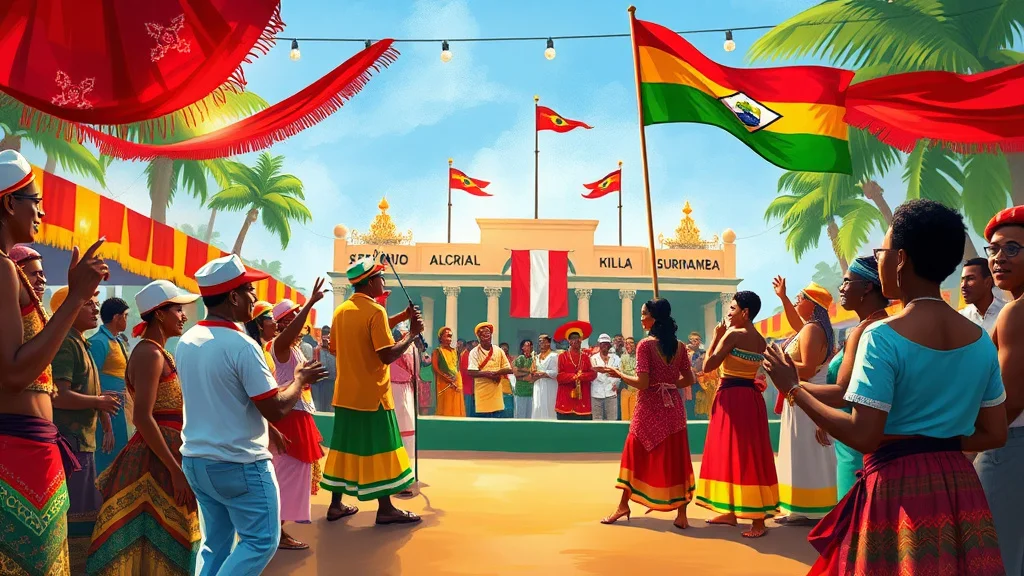
Suriname’s independence is celebrated annually, with festivities incorporating various cultural elements from its diverse population. The rich tapestry of ethnicities, including Hindustani, Maroon, Creole, and Javanese communities, reflects the nation’s colonial past and ongoing cultural evolution. Independence celebrations often feature music, dance, and traditional foods, promoting national pride and unity.
The upcoming 50th anniversary in 2025 offers an opportunity for reflection on the progress made since independence. Various cultural events are planned to commemorate this milestone, including exhibitions and educational programs aimed at fostering a sense of community and shared heritage.
Festivals and Traditions
Suriname’s independence is intertwined with its vibrant cultural festivals. Keti Koti, celebrated on July 1, honors the abolition of slavery and serves as a reminder of the struggles for freedom. Phagwa (Holi) and Diwali, celebrated by the Hindustani community, reflect the multicultural fabric of the nation, showcasing Suriname's unity in diversity.
These festivals reinforce cultural identity and promote understanding among different ethnic groups. As an expatriate, participating in these celebrations can provide a deeper appreciation of Suriname’s history and social dynamics.
What Expats Should Know
Understanding Cultural Etiquette
For expatriates living in Suriname, understanding cultural etiquette can enhance social interactions. Surinamese people are generally warm and welcoming, but it’s important to respect their diverse backgrounds. Engaging in conversations about cultural traditions during festivals can foster goodwill and connection.
When attending local events, dress modestly and be prepared to embrace the diversity of food, music, and dance. Participating with an open mind will not only enrich your experience but also help you integrate into the community.
Building Connections
Networking with local communities and expatriates is beneficial for navigating life in Suriname. Joining cultural organizations or attending workshops can provide insights into the country's history and ongoing cultural evolution. Building relationships with neighbors and colleagues can also offer valuable support and enhance your understanding of Surinamese society.
In conclusion, Suriname's independence from the Netherlands in 1975 marked a pivotal moment in its history, shaping its cultural identity and social dynamics. Understanding this history is essential for expatriates looking to connect with their new home. As Suriname approaches its 50th anniversary of independence, the celebration of its rich heritage and ongoing journey toward unity and progress will continue to resonate deeply within its diverse population.
AI-Generated Content: This article was created with AI assistance and may contain inaccuracies. Please verify important information with official sources.
Last updated: September 2026