This guide was synthesized using the latest legislative data and verified by our editorial board. Laws are subject to change; always consult official sources for final confirmation.
Suriname's ethnic diversity is one of its most defining characteristics, shaping the nation's culture, traditions, and daily life. This small South American country is home to a rich tapestry of ethnic groups, each contributing unique customs, languages, and culinary delights. In this article, we will delve into the various ethnic communities in Suriname, their historical context, cultural practices, and what expatriates need to know to navigate this multicultural society.
Overview of Ethnic Composition
Suriname's population of approximately 600,000 people is a blend of various ethnic groups, creating a vibrant multicultural environment. The main ethnicities include:
- Hindustani (Indo-Surinamese): Approximately 27% of the population, descendants of indentured laborers from British India.
- Maroon: About 22%, descended from escaped enslaved Africans who formed independent communities.
- Creole: Around 16%, primarily of African descent with European ancestry.
- Javanese: Roughly 14%, descendants of laborers from the Dutch East Indies (modern-day Indonesia).
- Mixed Heritage: Approximately 13%, representing a blend of various ethnic backgrounds.
- Indigenous Peoples: Around 4%, comprising several distinct tribes such as the Akurio and Arawak.
- Chinese: About 2%, mainly from early 19th-century migration and recent immigration waves.
This diverse demographic landscape means that no single group dominates, allowing for a rich exchange of cultural practices and traditions.
Historical Context of Diversity
Suriname's ethnic diversity can be traced back to its colonial history. The Dutch established the colony in the 17th century and relied heavily on enslaved African labor for sugar plantations. When slavery was abolished in 1863, the Dutch brought in indentured workers from India, Java, and China to fill the labor gap. These historical migrations have created a complex societal structure where different groups maintained their cultural identities while blending aspects from one another.
For instance, the Maroons, who escaped slavery and established their communities in the rainforest, developed distinct languages and traditions that differ from those of the Creole population, who have a more urban culture influenced by European settlers. This historical interplay among ethnic groups continues to shape the contemporary cultural landscape of Suriname.
Cultural Practices and Festivals
Hindustani Traditions
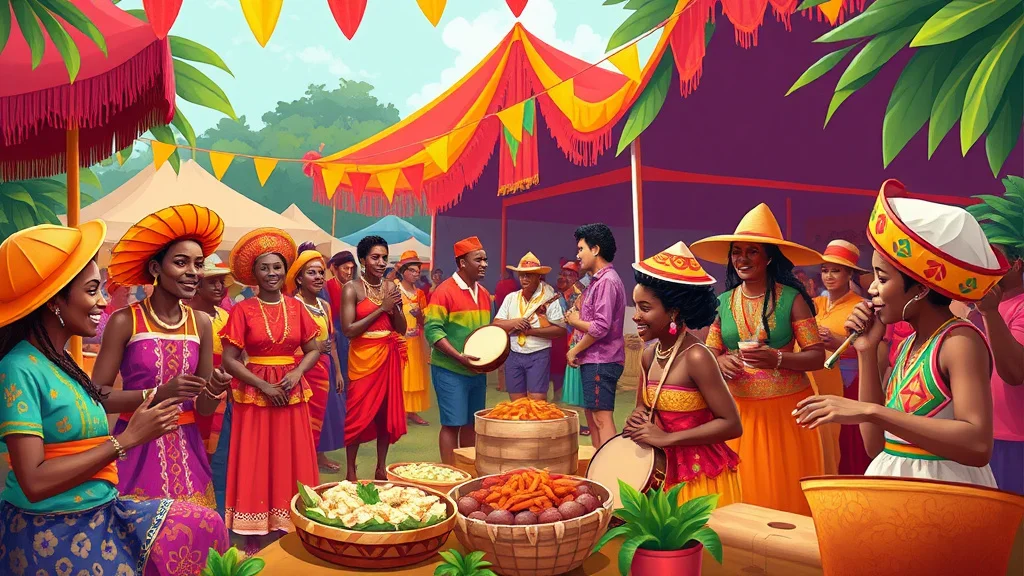
The Hindustani community celebrates several significant festivals, such as Phagwa (Holi), which usually takes place in March. This colorful spring festival celebrates the triumph of good over evil and is marked by the joyful throwing of colored powders. If you are invited to a Phagwa celebration, wearing old clothes is advisable, as the colors can be difficult to wash out.
Another important event is Diwali, celebrated in October or November. The Festival of Lights symbolizes the victory of light over darkness and good over evil. Homes are decorated with oil lamps, and families come together to share sweets and snacks. Participating in these events is a wonderful way to engage with the Hindustani culture and foster community ties.
Maroon Celebrations
The Maroon community observes unique traditions rooted in their African heritage. One of the most notable events is the Keti Koti, celebrated on July 1st, which commemorates the abolition of slavery in Suriname in 1863. This day is marked by parades, cultural performances, and communal feasting. Attending a Keti Koti celebration can provide valuable insights into the resilience and rich cultural heritage of the Maroon people.
Creole Customs
Creoles celebrate various cultural events, often blended with European influences. Music plays a crucial role in their culture, with genres like Kaseko and Winti reflecting their African roots. The Creole cuisine, featuring dishes such as pom (a baked dish made with root vegetables and chicken) and roti (flatbread), is a must-try for expatriates looking to experience local flavors. Engaging with the Creole community through music and food can provide a deeper appreciation for their culture.
Indigenous Cultures
The Indigenous people of Suriname, such as the Akurio and Arawak, maintain traditional practices that reflect their deep connection with nature. The Indigenous communities often celebrate their cultural heritage through rituals, storytelling, and art. Visiting Indigenous villages can offer unique opportunities for cultural exchange and understanding their way of life. Be respectful of their customs and seek permission before photographing people or their property.
Practical Tips for Expats
Understanding Suriname's ethnic diversity is essential for expatriates looking to integrate into this multicultural society. Here are some practical tips:
- Learn Basic Phrases: While Dutch is the official language, Sranan Tongo is widely spoken. Familiarizing yourself with simple phrases in Sranan Tongo can help you connect with locals more easily.
- Be Respectful of Cultural Differences: Each ethnic group has its customs and traditions. Approach cultural practices with an open mind and a willingness to learn. Attend festivals and community events to immerse yourself in the local culture.
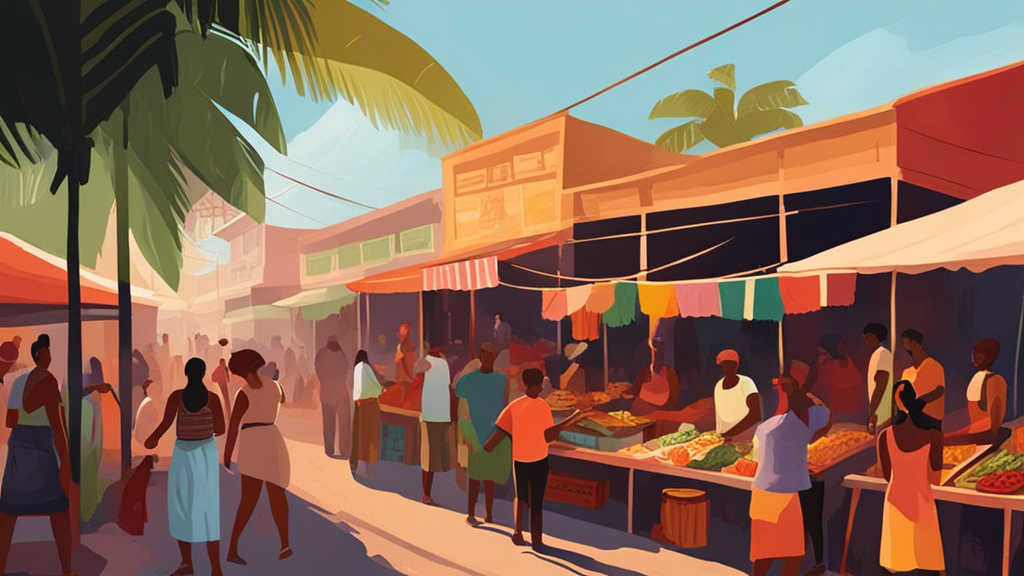
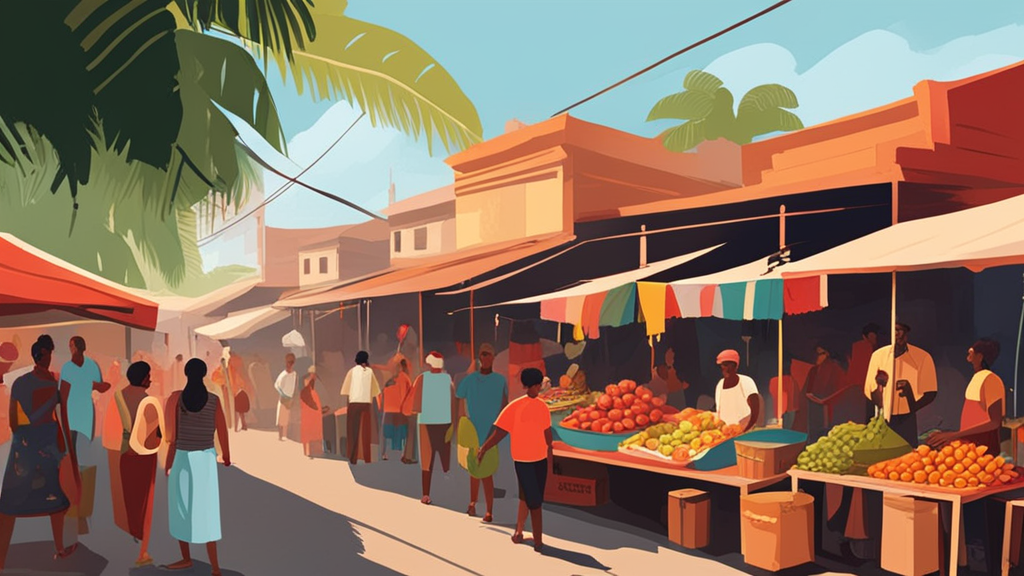
- Try Local Cuisine: Food is a significant aspect of Surinamese culture. Explore local markets and restaurants to sample dishes from various ethnic backgrounds. Be adventurous and try foods you may not be familiar with.
- Participate in Community Activities: Engaging in community activities can foster relationships and help you understand the diverse cultures around you. Look for volunteer opportunities or community events that interest you.
Conclusion
Suriname's ethnic diversity is not just a statistic; it is a living, breathing reality that shapes the country's cultural identity. From the festivals celebrated by the Hindustani community to the rich traditions of the Maroons and Indigenous peoples, each group contributes to a colorful mosaic that defines Suriname. As an expatriate, embracing this diversity will not only enrich your experience but also deepen your understanding of the nation's history and cultural heritage.
AI-Generated Content: This article was created with AI assistance and may contain inaccuracies. Please verify important information with official sources.
Last updated: July 2026