
This guide was synthesized using the latest legislative data and verified by our editorial board. Laws are subject to change; always consult official sources for final confirmation.
Keti Koti, meaning “the chains are cut” in Sranan Tongo, is a profound celebration in Suriname, taking place on July 1st each year. This day commemorates the abolition of slavery in the country, marking a pivotal moment in Suriname’s history. For expatriates living in or visiting Suriname, understanding the historical significance and cultural practices surrounding Keti Koti is essential for fully engaging in the celebrations. This guide will provide you with detailed insights into the events, traditions, and practical tips for enjoying this vibrant national holiday.
The Historical Context of Keti Koti
Keti Koti is not just a holiday; it is a reminder of Suriname's tumultuous past and the resilience of its people. The abolition of slavery on July 1, 1863, was a monumental achievement, yet the actual freedom for many did not come until 1873 due to a mandated ten-year transition period. During this time, former slaves continued to work for their former owners under harsh conditions. The impact of slavery is still felt today, as it has shaped the diverse cultural fabric of Suriname.
The day is marked by various ceremonies, including the firing of cannon shots from Fort Zeelandia in Paramaribo, which historically signified the announcement of freedom. This act of remembrance is central to Keti Koti, evoking both reflection on the past and celebration of progress.
How Keti Koti is Celebrated
Traditional Events and Activities
The festivities of Keti Koti engage the entire nation, showcasing a rich tapestry of cultural expressions. In Paramaribo, the capital city, the day begins with official ceremonies that include speeches from community leaders and government officials reflecting on the significance of emancipation. These speeches often incorporate themes of unity and the ongoing fight against discrimination.
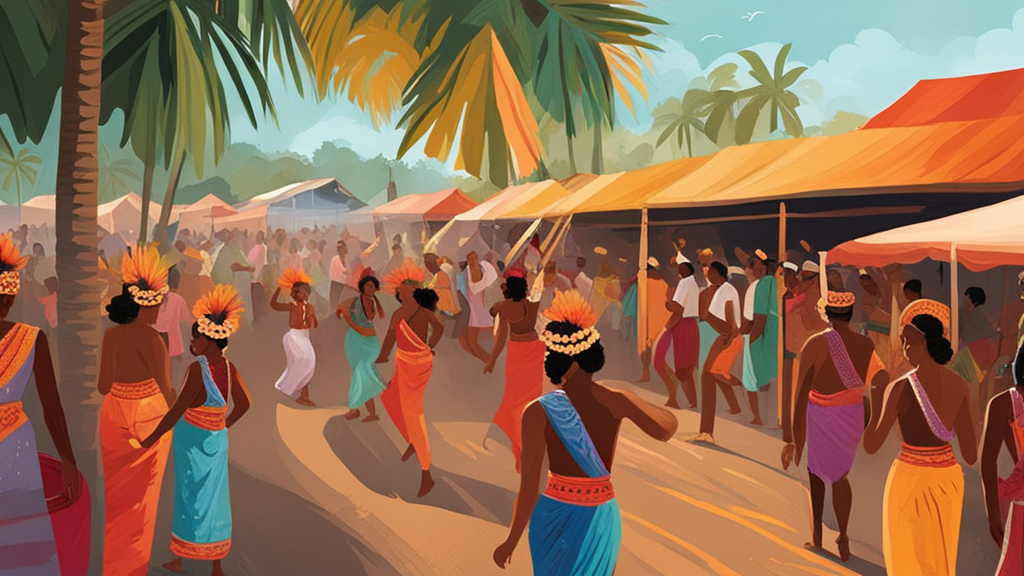
Following the formal ceremonies, vibrant parades take to the streets. Participants dress in traditional clothing, often reflecting the various ethnic backgrounds of Suriname, including Indo-Surinamese, Afro-Surinamese, and Indigenous cultures. Expect to see colorful costumes, lively music, and traditional dances such as the Kaseko, a genre of music that has roots in African rhythms. The atmosphere is one of celebration, pride, and remembrance.
Food and Culinary Traditions
No celebration in Suriname is complete without food, and Keti Koti offers a feast for the senses. Traditional dishes are prepared, featuring local ingredients and recipes passed down through generations. You might encounter dishes such as:
- Pom: A savory casserole made with chicken and cassava.
- Srefidensi: A dish made from rice and beans, often served with meat.
- Bakabana: Fried plantains that are a local favorite.
Food stalls are set up throughout the streets, providing an opportunity for expats to taste authentic Surinamese cuisine. Participating in these culinary experiences not only satiates hunger but also fosters connections with locals and an appreciation for Suriname's rich cultural heritage.
Participating in the Celebrations as an Expat
What to Expect and How to Get Involved
For expatriates, joining in the Keti Koti celebrations can be a rewarding experience. Expect large crowds and a festive atmosphere, especially in central locations like Independence Square and the surrounding neighborhoods. Engage with locals; they are often eager to share the significance of the holiday and their personal stories.
Consider participating in community workshops or events leading up to Keti Koti. Many local organizations host activities that teach traditional dances, crafts, and cooking classes. These experiences provide invaluable opportunities for cultural exchange and deeper understanding of Suriname's diverse heritage.
Etiquette Tips for Expats
Understanding local customs can enhance your experience during Keti Koti. Here are some tips for navigating the celebrations respectfully:
- Be Respectful: Keti Koti is a day of remembrance and reflection. While celebrations are joyous, it is important to remain respectful during ceremonies and moments of silence.
- Dress Appropriately: Consider wearing traditional attire to show respect for the culture. This can also help you connect with locals who appreciate your effort to honor their customs.
- Engage with the Community: Approach locals with curiosity. Ask questions, share experiences, and be open to learning. Surinamese people are known for their hospitality and willingness to share their culture.
Practical Tips for Expats on Keti Koti
Transportation and Accessibility
On Keti Koti, public transportation in Paramaribo may be busier than usual due to the influx of participants. Plan your travel accordingly, allowing extra time to reach your destination. Many streets in the city center may be closed to accommodate parades and festivities, so consider walking or using bicycles to navigate around the celebrations.
If you prefer to stay away from the crowds, seek out local community events that may take place in quieter neighborhoods. These gatherings often provide an intimate atmosphere for experiencing the culture without overwhelming crowds.
Accommodation Recommendations
If you are new to Suriname or planning to visit during Keti Koti, booking accommodation in advance is advisable, as hotels and guesthouses tend to fill up quickly. Look for places close to the city center for easy access to the festivities. Accommodations may vary from local guesthouses that offer authentic Surinamese hospitality to international hotels that provide more familiar comforts.
Conclusion
Keti Koti is more than just a celebration; it is a moment of historical significance and cultural pride for the people of Suriname. By understanding its history, participating in its festivities, and engaging with the local community, expatriates can gain a richer experience during this national holiday. Whether you are savoring traditional dishes, dancing to local music, or reflecting on the past, Keti Koti offers a unique opportunity to embrace the spirit of Suriname and its people.
AI-Generated Content: This article was created with AI assistance and may contain inaccuracies. Please verify important information with official sources.