
This guide was synthesized using the latest legislative data and verified by our editorial board. Laws are subject to change; always consult official sources for final confirmation.
The Javanese community in Suriname, known as Wong Jåwå Surinamè, has a rich cultural background that dates back to the late 19th century. They are known for their unique traditions, including music, dance, and culinary practices, which play a significant role in Suriname's multicultural landscape.
The Javanese community in Suriname, known as Wong Jåwå Surinamè, represents a vibrant part of the country's multicultural tapestry. With roots tracing back to the late 19th century, this community has significantly contributed to Suriname's cultural landscape. In this article, we will delve into the history, cultural practices, festivals, and social etiquette of the Javanese people in Suriname, providing practical insights for expatriates and visitors.
Historical Background of Javanese Migration
The arrival of Javanese people in Suriname began after the abolition of slavery in 1863. The plantations required a new labor force, prompting the Dutch colonial government to recruit indentured workers from the Dutch East Indies. The first Javanese immigrants arrived on August 9, 1890, marking the beginning of a significant chapter in Suriname’s demographic history. By 1914, thousands of Javanese had settled in Suriname, primarily on plantations, which laid the foundation for their community.
Over the decades, the Javanese have maintained their cultural identity while adapting to the local context. Today, it's estimated that around 14% of Suriname's population is of Javanese descent, primarily concentrated in urban areas such as Paramaribo and Wanica. They have preserved many of their traditions, blending them with local customs to create a unique cultural identity.
- Javanese migration began after the abolition of slavery in 1863.
- About 14% of the Surinamese population is of Javanese descent.
- Traditional music and dance, such as gamelan and Tari Topeng, are essential to their culture.
- Important festivals include Eid al-Fitr, Eid al-Adha, and Wayang Kulit.
- Social etiquette includes polite greetings and sharing meals.
- Expats can participate in cultural events and explore local markets.
Cultural Practices and Traditions
The Javanese community in Suriname is known for its rich cultural traditions, which include language, music, dance, and culinary practices. Surinamese Javanese typically speak a mix of Surinamese-Javanese, Sranan Tongo, and Dutch, enabling them to communicate effectively within the multicultural environment of Suriname.
Music and dance are integral to Javanese culture. Traditional performances often feature gamelan music, characterized by its intricate rhythms and melodies. Celebratory dances, such as the "Tari Topeng" (mask dance), are performed during festivals and community gatherings, showcasing their artistic heritage. These performances are not merely entertainment; they serve as a means of storytelling and preserving history.
Culinary Traditions
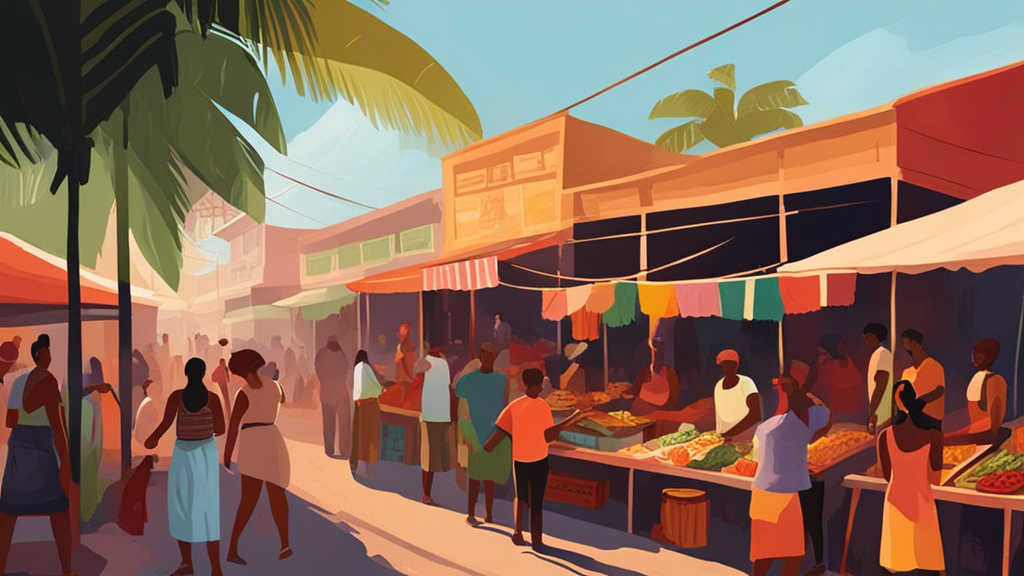
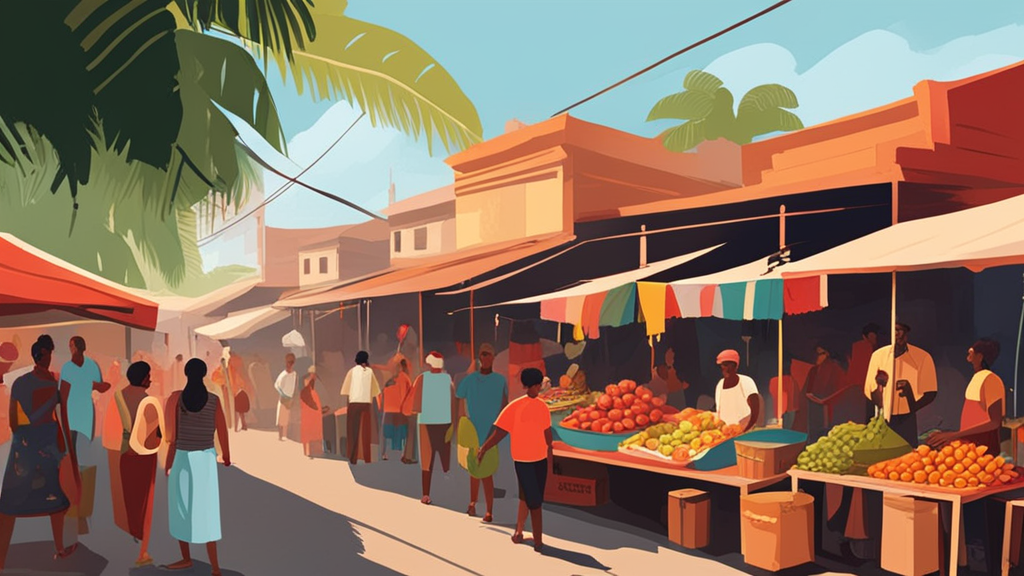
The Javanese culinary scene is celebrated for its distinctive flavors and spices. Popular dishes include bami (noodles), nasi (rice), and sate ajam (chicken skewers). These meals often feature a variety of spices and herbs, reflecting the Javanese penchant for bold flavors. Expatriates can explore local markets in Paramaribo to find ingredients for these traditional dishes, or visit local eateries that specialize in Javanese cuisine.
For those looking to experience Javanese food firsthand, participating in community events or home-cooked meals can offer a more authentic taste. Many Javanese families are proud of their culinary heritage and are often willing to share their recipes and cooking techniques with interested visitors.
Festivals and Celebrations
The Javanese community in Suriname celebrates various festivals that reflect their cultural and religious beliefs. One of the most significant events is the celebration of Eid al-Fitr and Eid al-Adha, which are important religious holidays for the Muslim segment of the Javanese community. These festivals involve communal prayers, festive meals, and acts of charity towards those in need.
Another important cultural celebration is the Wayang Kulit, a traditional shadow puppet theater that recounts stories from Javanese mythology. This form of storytelling is typically performed during special occasions and serves to educate the audience about moral values and cultural history. Expats can attend performances in local community centers or during specific festivals to gain a deeper understanding of this rich tradition.
Additionally, the Javanese community participates in Keti Koti on July 1, commemorating the abolition of slavery in Suriname. This day is marked by various cultural activities, including music, dance, and traditional food, allowing expatriates to engage with the community and learn about their historical significance.
Social Etiquette and Customs
Understanding social customs is vital for expatriates wishing to integrate into the Javanese community. Greetings typically involve a polite handshake, often accompanied by a slight bow of the head as a sign of respect. It is common to address individuals using their titles, such as “Bapak” (Mr.) for men and “Ibu” (Mrs.) for women, which fosters a sense of respect and formality.
In social settings, it is customary to remove shoes before entering a home. Guests are often offered refreshments, and it is polite to accept at least a small portion as a sign of appreciation. When dining, communal eating is prevalent; sharing dishes reflects the value placed on community and togetherness.
What Expats Should Know
For expatriates seeking to connect with the Javanese community, participating in cultural events and festivals is an excellent starting point. Engaging with local organizations that promote Javanese culture can provide valuable insights and networking opportunities. Language classes in Sranan Tongo or Surinamese-Javanese can also enhance communication and foster deeper connections with the community.
Additionally, exploring local markets, such as the Central Market in Paramaribo, allows expatriates to experience the vibrant atmosphere and sample Javanese cuisine firsthand. Building friendships with local families can lead to invitations to cultural celebrations, providing a more immersive experience.
Respect for cultural practices and an open mind towards learning will pave the way for positive interactions. Recognizing festivals and significant dates in the Javanese calendar can further demonstrate appreciation and respect for their traditions.
Conclusion
The Javanese community in Suriname is a testament to the country’s rich cultural diversity. Their history, traditions, and vibrant celebrations contribute to the unique identity of Suriname. For expatriates, immersing oneself in Javanese culture offers not only a deeper understanding of the community but also a chance to build lasting friendships and create meaningful experiences. Engaging with local customs, festivals, and culinary traditions can enhance living in Suriname and enrich one’s life in this beautiful country.
AI-Generated Content: This article was created with AI assistance and may contain inaccuracies. Please verify important information with official sources.
Last updated: September 2026