
This guide was synthesized using the latest legislative data and verified by our editorial board. Laws are subject to change; always consult official sources for final confirmation.
Suriname, with its diverse ethnic background and rich cultural tapestry, attracts a variety of expatriates, including international professionals, digital nomads, and families seeking new adventures. As an expat, one of the primary concerns is the ability to communicate effectively during daily life errands. This article explores the prevalence of English in Suriname, offering practical insights and firsthand experiences to help you navigate this vibrant country.
Language Landscape in Suriname
The official language of Suriname is Dutch, a remnant of its colonial past. However, due to the country's ethnic diversity, many languages coexist. Among these, Sranan Tongo serves as the lingua franca, commonly spoken in informal settings and among the local population. This mix of languages can be both a challenge and an opportunity for expats.
The Role of English
English is widely understood in Suriname, particularly in urban areas like Paramaribo, where a significant portion of the population has received some English education. Many Surinamese people, especially the younger generations, are proficient in English, owing to the influence of American culture through media and education. Based on various expat experiences, it is estimated that around 40-60% of the urban population can communicate in English to varying degrees.
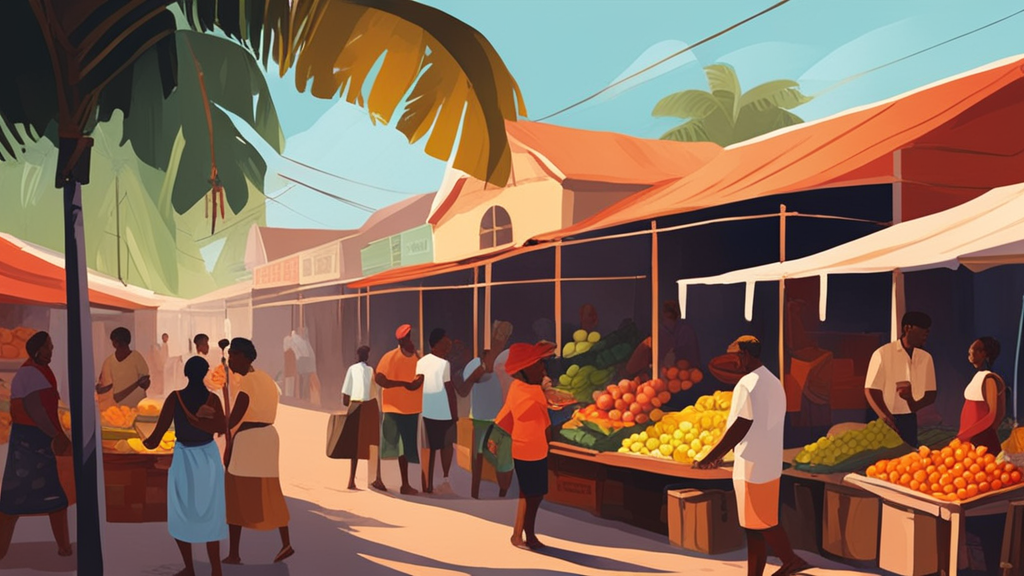
For daily errands such as shopping, dining, or visiting local markets, expats will find that many shopkeepers and staff in restaurants can converse in English. However, it’s advisable to have a basic understanding of Dutch or Sranan Tongo, as this can enhance interactions and demonstrate respect for the local culture.
Daily Errands and Communication
When navigating daily life in Suriname, various scenarios highlight the importance of language skills. For instance, at local supermarkets and shops, English may not always be the first language. While larger stores often employ staff who speak English, smaller shops may not. Thus, knowing a few simple phrases in Dutch or Sranan Tongo can significantly ease communication. Here are some essential phrases:
- “Hallo” (Hello)
- “Dank je wel” (Thank you)
- “Waar is de badkamer?” (Where is the bathroom?)
- “Hoeveel kost dit?” (How much does this cost?)
- “Ik begrijp het niet” (I don’t understand)
Understanding these phrases may not only help in completing errands but also foster a sense of connection with the local community.
Public Services and English Proficiency
When dealing with public services such as banks, healthcare facilities, or government offices, the proficiency in English can vary significantly. Major banks in Paramaribo often employ staff who are fluent in English, especially in customer service roles. However, when visiting government offices or local clinics, one may encounter personnel with limited English skills.
For healthcare, it is advisable to bring a bilingual friend or translator if you are unsure about the language capabilities of medical staff. It’s common for expats to face challenges in understanding medical advice or prescriptions, so having someone who can bridge the language gap can be invaluable.
Educational Institutions
For families considering relocation to Suriname, understanding the language environment in educational institutions is crucial. International schools, particularly in Paramaribo, often teach in English and cater to the expatriate community. These schools provide a familiar curriculum, making the transition smoother for children. They typically offer a blend of international and local cultures, allowing children to adapt while preserving their cultural identities.
However, it’s essential to research specific schools, as some may have different language policies or educational focuses. Engaging with other expat families can provide insights and recommendations based on their experiences.
Cultural Integration and Language Learning
While English is spoken in many contexts, embracing the local languages can significantly enhance your experience in Suriname. Learning basic phrases in Sranan Tongo or Dutch not only aids communication but also demonstrates respect for the local culture. Many expats recommend enrolling in language classes or joining local clubs where you can practice your language skills in a social setting.
Numerous language schools and community centers offer classes tailored for expats. Participating in cultural events and festivals, such as Keti Koti on July 1, can also provide opportunities to practice language skills and deepen your understanding of Surinamese culture.
Practical Tips for Expats
As you settle into life in Suriname, consider these practical tips to navigate language challenges:
- Learn Basic Phrases: Familiarize yourself with common phrases in Dutch and Sranan Tongo. This will help you in daily interactions and show respect for the local culture.
- Use Translation Apps: Mobile translation apps can be handy for quick references when you encounter language barriers. Download apps before your arrival for seamless communication.
- Connect with Locals: Engaging with the local community can enhance your language skills and help you gain insights into cultural nuances. Consider joining clubs or groups that interest you.
- Be Patient and Open-Minded: Communication may not always go smoothly, so approach interactions with patience and a willingness to laugh off misunderstandings.
- Practice Active Listening: Pay attention to the context of conversations. This can help you decipher meanings even if you do not understand every word.
Conclusion
In conclusion, while English is widely spoken in Suriname, especially in urban areas, understanding and engaging with local languages can significantly enhance your expat experience. By learning basic phrases and actively participating in the community, you will not only ease daily life errands but also immerse yourself in the rich cultural fabric of this beautiful country. Embrace the language journey as a part of your adventure in Suriname!
AI-Generated Content: This article was created with AI assistance and may contain inaccuracies. Please verify important information with official sources.
Last updated: September 2026