This guide was synthesized using the latest legislative data and verified by our editorial board. Laws are subject to change; always consult official sources for final confirmation.
For expatriate families relocating to Suriname, ensuring that children maintain their language skills can be a challenge, particularly when it comes to Dutch. The country has a unique linguistic landscape, with Dutch as the official language, widely spoken alongside various indigenous languages. This article explores Dutch language schools available for expat children in Suriname, offering practical insights and tips for a seamless educational transition.
Understanding the Importance of Dutch Language Education
For many expat families, keeping their children connected to their Dutch roots is a priority. Enrolling children in Dutch language schools not only helps maintain their language skills but also promotes cultural continuity. This is especially relevant for families considering future returns to the Netherlands, where proficiency in Dutch will enable smoother reintegration into the educational system.
Moreover, attending a Dutch language school can enrich a child’s experience in Suriname. With around 60% of the population speaking Dutch as a native language, children will have ample opportunities to practice their skills outside the classroom, fostering both fluency and confidence.
Types of Dutch Language Education Available
In Suriname, Dutch language education for expatriate children is typically offered through a variety of institutions. Families can choose between local Dutch-speaking schools and international schools with Dutch language programs. Each option has its unique advantages.
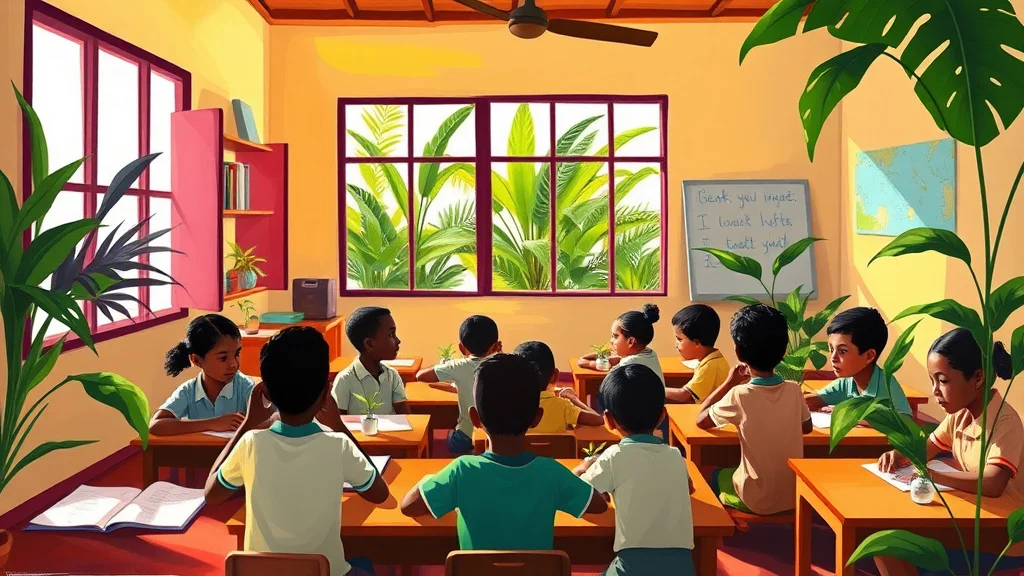
Local Dutch schools provide an immersive environment where children interact with native Dutch speakers daily. This exposure can enhance their language acquisition, as they learn not only the language but also cultural nuances. On the other hand, international schools may offer a bilingual curriculum where Dutch is integrated alongside other subjects, making it suitable for families who prefer a broader educational approach.
Finding Dutch Language Schools in Suriname
To find suitable Dutch language schools, parents can start by exploring resources offered by the Foundation for Dutch Education Worldwide (NOB). This organization helps families locate schools abroad and ensures that the education provided adheres to Dutch standards. Their website features a comprehensive list of affiliated institutions, and contacting them directly can provide additional guidance tailored to your family’s needs.
In Paramaribo, the capital of Suriname, several schools cater to Dutch-speaking expatriates. Families should consider visiting these schools to assess their facilities, teaching styles, and curricula. It is also helpful to connect with other expat families in the area for recommendations and insights based on their experiences.
Popular Neighborhoods for Expat Families
In Paramaribo, neighborhoods such as Centrum, Zorg en Hoop, and Hermitage are popular among expat families. Centrum, known for its historic architecture and vibrant community, offers easy access to various schools, parks, and cultural activities. Zorg en Hoop is favored for its residential atmosphere and close-knit community, while Hermitage boasts larger properties and a more suburban feel, making it attractive for families.
Each of these neighborhoods provides opportunities for children to engage with both local and expatriate communities, enhancing their social networks and language skills. Parents often find that enrolling their children in local sports clubs or community centers helps in building friendships and practicing Dutch in a fun and engaging way.
Curriculum and Extracurricular Activities
The curriculum at Dutch language schools in Suriname typically emphasizes language proficiency, reading comprehension, and cultural education. Many schools integrate arts and sports into their programs, allowing children to explore their interests while practicing Dutch in various contexts. For example, participating in drama or music classes can improve language skills through creative expression.
Extracurricular activities play a crucial role in language development. Schools often organize field trips, cultural events, and workshops that expose children to Dutch culture and language in practical settings. For instance, attending local festivals or culinary events can provide a rich context for language use, making learning more relatable and enjoyable.
Online Resources and Support
For families who may not have immediate access to Dutch language schools, online education options are available. Various platforms offer virtual Dutch language courses tailored for children. These options can be a great supplement to in-person learning or an alternative for families in more remote areas. Engaging in online lessons can also help maintain language skills during school breaks or transitions.
Additionally, resources like children's books in Dutch, educational apps, and interactive games can be beneficial for at-home practice. Parents might consider creating a language-rich environment at home by incorporating Dutch media, such as films and music, to stimulate interest and learning.
Practical Tips for Expat Families
To ensure a successful transition for children into Dutch language schools, consider the following tips:
- Familiarize with the Local Language: Although children will be learning Dutch, understanding basic phrases in Sranan Tongo (the local creole language) can help them connect with peers and feel more at home in Suriname.
- Engage with the Community: Attend local events or join expat groups to meet other families facing similar challenges. Building a support network can ease the adjustment process for both parents and children.
- Encourage Language Use at Home: Incorporate Dutch into daily routines, such as reading bedtime stories or practicing vocabulary during meals. This reinforces what children learn at school and fosters a positive attitude toward language acquisition.
- Visit Schools Before Enrolling: Take the time to visit potential schools, meet teachers, and observe classes. This helps children feel more comfortable and excited about their new environment.
- Be Patient: Language acquisition takes time, so parents should encourage their children to practice without fear of making mistakes. Celebrate small milestones to keep them motivated.
Conclusion
Enrolling expat children in Dutch language schools in Suriname offers a pathway to maintaining their cultural identity while adapting to life in a new country. With a range of educational options available, families can choose schools that best suit their children's needs and learning styles. By engaging with local communities, utilizing online resources, and fostering a supportive home environment, parents can ensure their children thrive linguistically and culturally in Suriname.
AI-Generated Content: This article was created with AI assistance and may contain inaccuracies. Please verify important information with official sources.
Primary Sources
Last updated: September 2026