
This guide was synthesized using the latest legislative data and verified by our editorial board. Laws are subject to change; always consult official sources for final confirmation.
Suriname, a small yet vibrant country nestled on the northeastern coast of South America, is often overlooked by expatriates seeking new opportunities. However, those who venture here often find a warm and welcoming atmosphere that is both enriching and unique. This article delves into the expat experience in Suriname, exploring how friendly and hospitable the local population is towards foreigners, alongside practical insights for navigating life in this tropical paradise.
Understanding the Cultural Landscape
Suriname boasts a rich tapestry of cultures, with an estimated population of 575,990 individuals comprised of diverse ethnic groups. These include Hindustani (~27%), Maroon (~22%), Creole (~16%), Javanese (~14%), Mixed (~13%), Indigenous (~4%), and Chinese (~2%). This diversity is reflected in various aspects of everyday life, from cuisine to traditions, creating an inclusive environment for expatriates.
The country's official language is Dutch, but locals often communicate in Sranan Tongo, a Creole language that serves as a lingua franca among various ethnic groups. English is widely spoken, especially in urban areas, which makes it easier for foreigners to integrate. This multilingual landscape is indicative of the Surinamese people's openness and willingness to connect with others from different backgrounds.
Hospitality and Friendliness
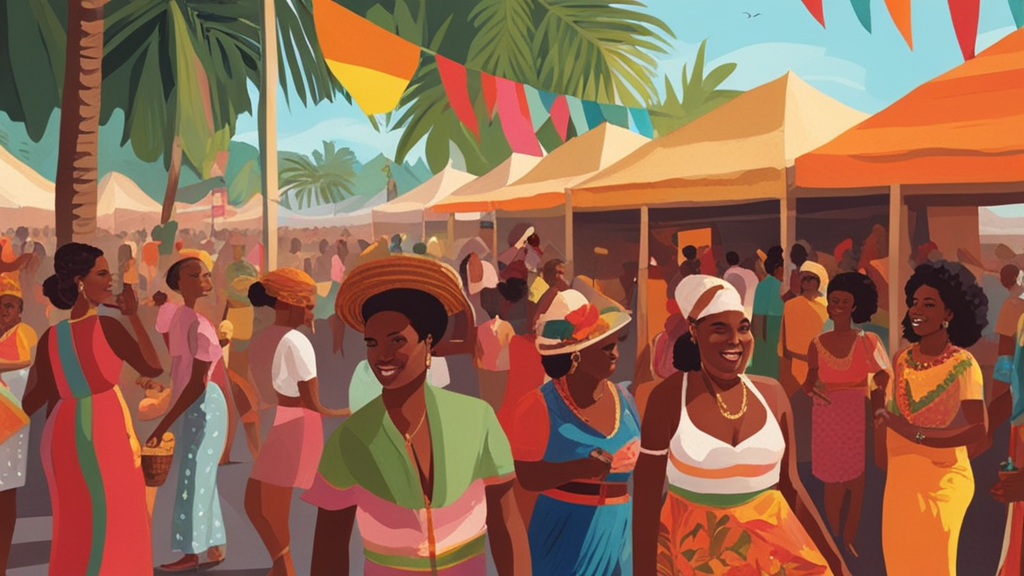
One of the most notable aspects of life in Suriname is the warmth and hospitality of its people. Many expatriates report feeling welcomed by locals, who often go out of their way to help newcomers settle in. Whether it's offering directions, sharing local customs, or inviting expats to family gatherings, the Surinamese have a reputation for being friendly and approachable. This hospitable nature is essential in a country where community ties are strong, and social interactions are valued.
For example, at local markets, it is common for vendors to engage in friendly conversations with shoppers, often sharing stories about their products and their culture. This not only fosters a sense of community but also provides an opportunity for expatriates to learn about Surinamese traditions and culinary practices.
Celebrating Cultural Festivals
Experiencing local festivals can be a fantastic way for expatriates to immerse themselves in Surinamese culture and connect with the community. Some of the most significant celebrations include Keti Koti, Phagwa, Diwali, and Eid al-Fitr. Each of these festivals showcases the country's multicultural heritage and offers expats a chance to participate in unique customs.
Keti Koti, celebrated on July 1, commemorates the abolition of slavery in Suriname and is marked by vibrant parades and cultural performances. This day is a profound reminder of the country's history and the resilience of its people. Participating in Keti Koti can help expatriates understand the significance of this event and build deeper connections with locals.
Phagwa, celebrated by the Hindustani community, typically occurs in March, and features vibrant colors, music, and joyful celebrations. Similarly, Diwali, occurring in October or November, showcases the rich traditions of the Hindu community. Both festivals are characterized by warmth and inclusion, encouraging participation from all community members, regardless of their background. These events not only enhance cultural understanding but also offer expatriates a sense of belonging in their new environment.
Practical Tips for Expatriates
While the welcoming nature of Suriname is a significant draw for expatriates, it is essential to be aware of certain cultural nuances that can facilitate smoother interactions. Here are some practical tips to consider:
- Be Patient: The pace of life in Suriname tends to be relaxed. For expatriates accustomed to a fast-paced environment, this can be a cultural adjustment. Appointments and meetings may not always start on time, so it's wise to approach situations with patience and flexibility.
- Learn Basic Local Phrases: While many locals speak English, learning a few phrases in Sranan Tongo can go a long way in building rapport. Simple greetings and expressions of gratitude can show respect for the local culture.
- Participate in Community Events: Engaging in local events and activities can help expatriates build connections and friendships. Joining clubs, volunteering, or participating in sports can enhance the sense of community.
- Be Respectful of Cultural Differences: Understanding and respecting local customs is crucial. For example, when visiting a local home, it is customary to remove shoes before entering. Being mindful of such practices demonstrates respect for local traditions.
Challenges and Considerations
While Suriname is generally welcoming, expatriates may encounter challenges that require adaptation. The country is still developing, and infrastructure may not always meet Western standards. Streets can be uneven, and public services may experience delays. Foreigners should be prepared for these realities and maintain a positive outlook.
Healthcare services, while available, may not be as advanced as those in North America or Western Europe. Expatriates are advised to secure comprehensive health insurance and familiarize themselves with local medical facilities. Having a plan in case of emergencies can alleviate potential stressors associated with health concerns.
Conclusion
In summary, Suriname offers a warm and inviting environment for expatriates looking to embrace a new culture. The friendliness of the local population, combined with the richness of its multicultural heritage, creates a unique experience for those who choose to call this country home. By engaging with the community, participating in cultural events, and being mindful of local customs, expatriates can forge meaningful connections and enjoy a fulfilling life in Suriname. The journey may present challenges, but the rewards of living in this vibrant and diverse society are undoubtedly worth the effort.
AI-Generated Content: This article was created with AI assistance and may contain inaccuracies. Please verify important information with official sources.
Primary Sources
Last updated: September 2026