This guide was synthesized using the latest legislative data and verified by our editorial board. Laws are subject to change; always consult official sources for final confirmation.
Relocating to Suriname presents unique opportunities and challenges for expatriates. With its rich cultural tapestry and welcoming spirit, understanding how to integrate effectively can enhance your experience. This article provides actionable tips to help newcomers navigate the intricacies of Surinamese society, from language learning to community involvement.
Understanding Suriname's Cultural Landscape
Suriname is a melting pot of cultures, with a population comprising various ethnic groups, including Hindustani, Creole, Maroon, Javanese, Indigenous peoples, and Chinese. Each group contributes to the country's vibrant identity, making cultural integration essential for newcomers. The diversity means there are numerous festivals and traditions to engage with, enriching your experience.
One of the most significant events is Keti Koti, celebrated on July 1st. This national holiday commemorates the abolition of slavery in 1863 and is marked by parades, music, and communal feasting. Participating in Keti Koti not only immerses you in Surinamese history but also allows you to connect with locals and understand their heritage. Another vibrant celebration is Phagwa, or Holi, observed by the Hindustani community in March, where people play with colors and celebrate the arrival of spring.
The Importance of Language: Sranan Tongo and Dutch
Language is a key component of integration. While Dutch is the official language of Suriname, Sranan Tongo serves as the lingua franca, facilitating daily interactions. Learning both languages can significantly ease communication and help you build relationships with locals. Sranan Tongo, an English-based Creole, is often used casually on the streets and in markets, while Dutch is prevalent in formal settings like schools and government offices.
For newcomers, starting with basic phrases in Sranan Tongo can create a positive impression. Simple greetings such as “Odi” (Hello) and “Fa waka?” (How are you?) are commonly used and appreciated by locals. Language courses are available locally, and online resources can supplement your learning. Engaging with locals in their language not only shows respect but also opens doors to deeper connections.
Building a Social Network
Establishing a social network is vital for a smooth transition. Despite a small expat community primarily composed of oil workers in Paramaribo, there are ways to connect with both locals and fellow expatriates. Participating in community events is an effective strategy; look for festivals, markets, and cultural celebrations where you can meet people.
Joining local sports clubs or community volunteering initiatives is another excellent way to engage. Activities such as beach clean-ups, nature conservation projects, or teaching English can help you meet like-minded individuals while contributing positively to your new home. Many expats find that informal gatherings, such as group dinners or sports events, help foster friendships and connections.
Cultural Etiquette and Social Norms
Understanding cultural norms is essential for successful integration. Suriname is known for its hospitality, but there are specific etiquette practices to keep in mind. When invited to a local's home, it is customary to bring a small gift, such as flowers or sweets, to show appreciation. Dress modestly for social occasions, especially in rural areas, where traditional values may be more pronounced.
Respect for family is deeply ingrained in Surinamese culture. When forming friendships, be mindful of the importance of family ties and social networks. It is common for families to be involved in personal relationships, so patience and respect are crucial. Engaging in conversations about family and community can strengthen your connections with locals.
Exploring Local Cuisine
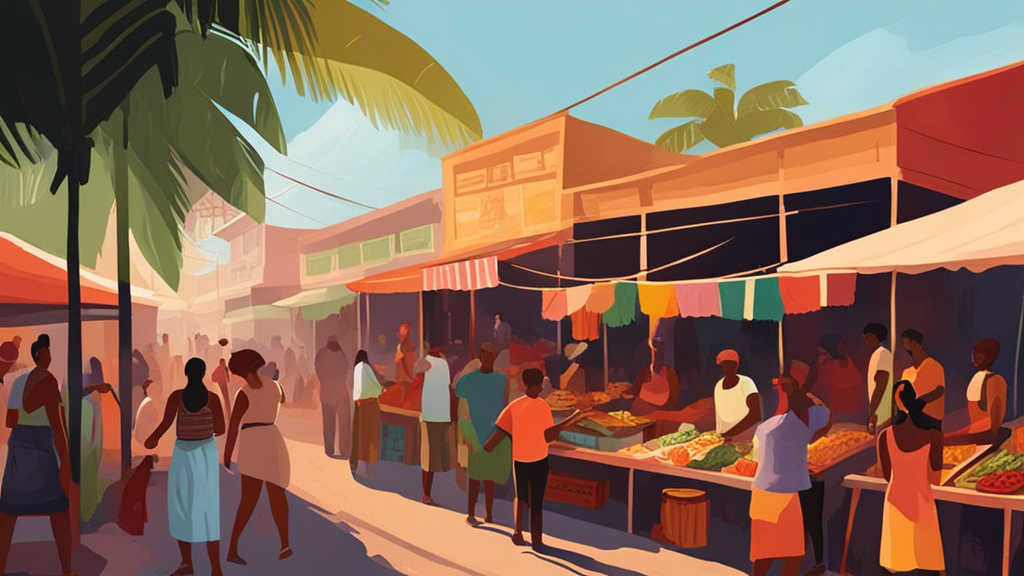
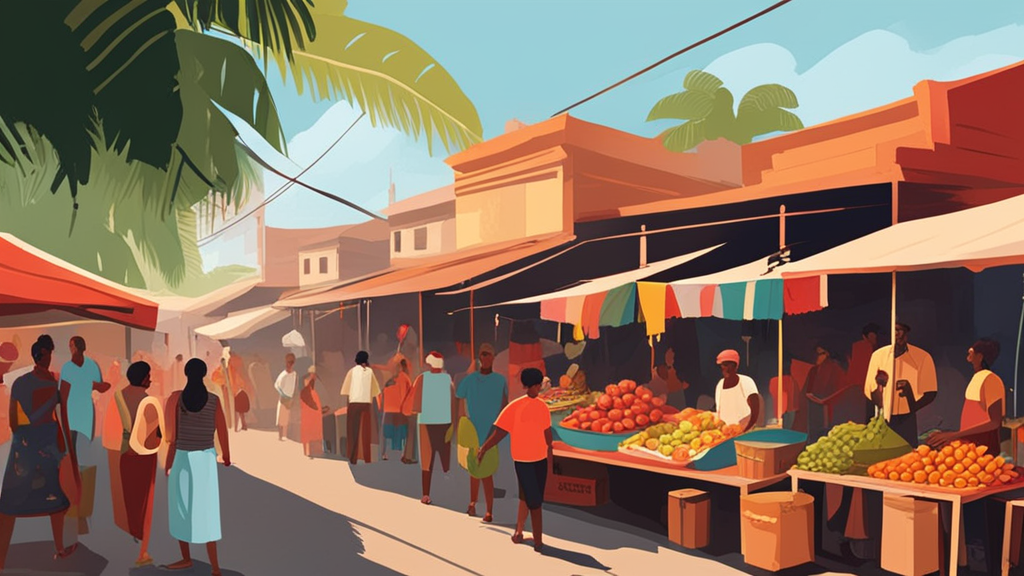
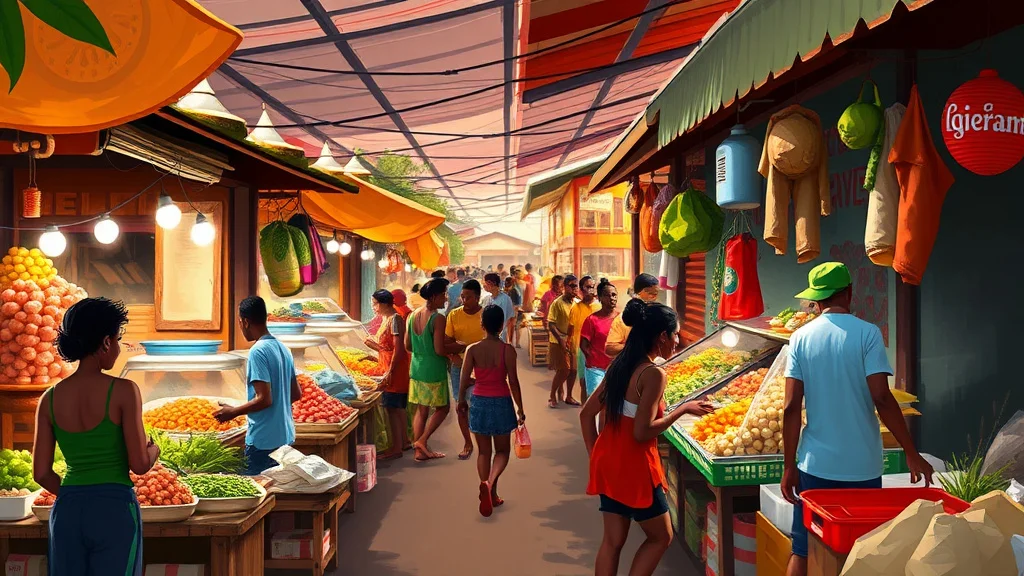
Culinary exploration is a delightful way to engage with Surinamese culture. The country boasts a diverse food scene influenced by its multicultural population. Trying local dishes, such as roti, pom, and saoto soup, provides a taste of Suriname's heritage. Visiting local markets and street food stalls enables you to experience authentic flavors while interacting with vendors.
Consider joining a cooking class or food tour to learn more about traditional cooking techniques and ingredients. Such experiences not only introduce you to local cuisine but also offer opportunities to meet others interested in culinary arts. Sharing meals is an integral part of Surinamese culture, so don’t hesitate to invite friends over for a potluck or a barbecue, showcasing your own culinary talents as well.
Practical Tips for Successful Integration
Networking Opportunities
Expats can benefit from leveraging professional networks. Many industries in Suriname are connected to natural resources, so attending industry-specific conferences or seminars can be advantageous. The Chamber of Commerce and LinkedIn groups focused on Suriname offer platforms to connect with professionals and expand your network.
Engaging with Local NGOs
Involvement with non-governmental organizations (NGOs) can enhance your understanding of local issues while providing valuable community support. Many NGOs focus on education, health, and environmental conservation, offering various volunteering opportunities. These experiences can lead to meaningful relationships and a better grasp of Surinamese society.
What Expats Should Know
Patience is key during the integration process. The pace of life in Suriname may differ from what you are accustomed to, and understanding this cultural rhythm can help ease the transition. Take the time to appreciate the slower pace and learn from it.
Additionally, be open to experiencing the unexpected. Suriname's blend of cultures means that traditions and practices can vary widely, even within the same community. Embrace these differences as opportunities to learn and grow. Engaging with various cultural perspectives will enrich your life in Suriname and foster a sense of belonging.
Conclusion
Integrating into Suriname as a newcomer involves embracing the country's vibrant culture, learning the local languages, and building meaningful relationships. By participating in community events, respecting local customs, and exploring the diverse culinary scene, you can create a fulfilling experience in your new home. Remember to approach the process with patience and an open heart, and you will find Suriname to be a welcoming place full of opportunities for connection.
AI-Generated Content: This article was created with AI assistance and may contain inaccuracies. Please verify important information with official sources.
Last updated: July 2026