This guide was synthesized using the latest legislative data and verified by our editorial board. Laws are subject to change; always consult official sources for final confirmation.
Suriname, a small but culturally rich nation on the northeastern coast of South America, offers expatriates a unique blend of history and multiculturalism. Understanding the national identity and historical context is crucial for international professionals, digital nomads, and families looking to adapt to life in this vibrant country. This article delves into Suriname's diverse ethnic composition, historical milestones, and cultural festivals, providing practical insights for newcomers.
Historical Overview of Suriname
Suriname's history is marked by its colonial past, starting with its discovery by the Europeans in the 16th century. The Dutch officially took control in 1667, establishing a plantation economy that relied heavily on enslaved Africans. The legacy of slavery is profound and remains a pivotal part of Suriname's national identity. It was not until July 1, 1863, that slavery was abolished, a date now commemorated as Keti Koti, the most significant national holiday.
Post-abolition, Suriname saw waves of migration, with indentured laborers arriving from India, Indonesia, and China, among others. This influx of diverse groups contributed to the multicultural society that defines Suriname today. The country gained independence from the Netherlands on November 25, 1975, marking a significant turning point in its history. The transition was not without challenges, as a military coup in 1980 led to years of political instability before a democratic government was reestablished in 1991.
Diverse Ethnic Composition
Suriname's population is one of the most ethnically diverse in the world, with significant groups including Hindustani (~27%), Maroon (~22%), Creole (~16%), Javanese (~14%), mixed heritage (~13%), Indigenous peoples (~4%), and Chinese (~2%). This diversity is not just numerical; it shapes the social fabric of the country, influencing everything from cuisine and festivals to language and religious practices.
The Maroons, descendants of enslaved Africans who escaped plantations, maintain a rich cultural heritage, including unique languages, music, and traditions. The Hindustani community, largely descendants of Indian laborers, celebrates festivals like Diwali and Phagwa, showcasing their rich cultural tapestry. Understanding these ethnic backgrounds is crucial for expatriates, as it can enhance social interactions and cultural appreciation.
The Role of Language
Language plays a vital role in Suriname's identity. Dutch is the official language, but Sranan Tongo serves as the lingua franca, facilitating communication among the diverse population. Learning basic phrases in both languages can greatly enhance an expat’s experience and foster goodwill among locals. Consider enrolling in language classes or utilizing language-learning apps to ease your transition.
Cultural Festivals and Celebrations
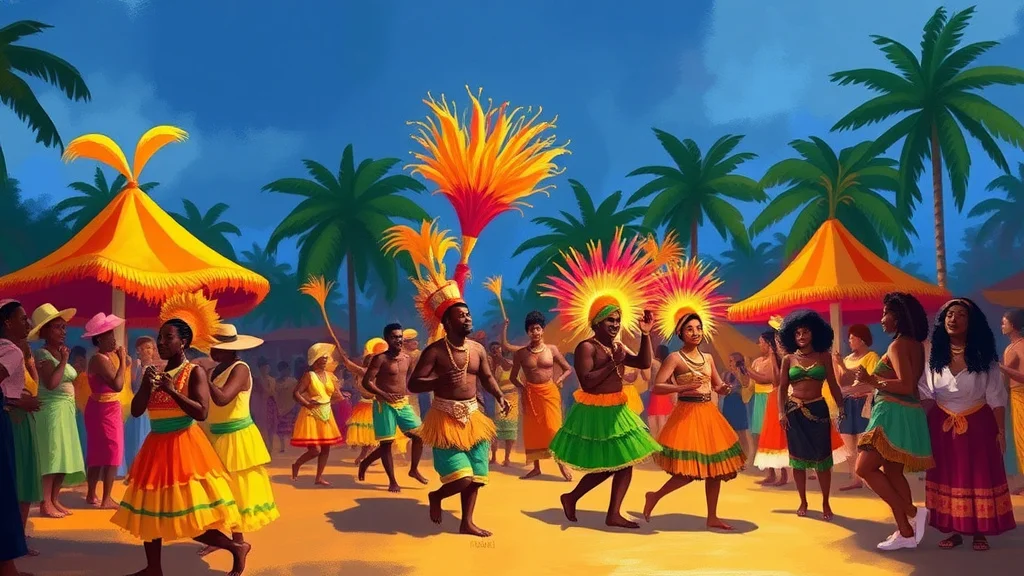
Suriname's cultural calendar is filled with vibrant festivals that reflect its multicultural identity. Keti Koti, celebrated on July 1, is a day of reflection and celebration of freedom, commemorating the abolition of slavery. Events across the country include parades, music, and storytelling, offering a deep dive into the nation’s history and resilience.
Another significant celebration is Phagwa, typically occurring in March, which marks the Hindu festival of colors. Families come together to throw colored powders, symbolizing the arrival of spring and the victory of good over evil. For expatriates, participating in such festivals can be a fun and engaging way to connect with the local community.
Diwali, celebrated by the Hindustani community in October/November, fills the streets with lights and festivities, showcasing the beauty of Hindu traditions. Understanding the significance of these celebrations not only fosters respect but also opens doors to friendships and social networks.
Religious Influences
Religion is a significant aspect of Surinamese life, with a diverse array of beliefs coexisting harmoniously. Approximately 48% of the population identifies as Christian, while 22% practice Hinduism and nearly 14% adhere to Islam. This blend of religions influences daily life, from dietary restrictions to holiday celebrations.
For expats, understanding the religious practices of their neighbors can ease integration. For instance, during Ramadan, the Javanese-Muslim community observes fasting, and it is respectful to acknowledge this practice. Familiarizing yourself with local customs regarding religious observances can prevent misunderstandings and promote a sense of community.
Practical Tips for Expats
As an expatriate in Suriname, embracing the local culture can significantly enhance your experience. Here are some practical tips:
- Engage with the Community: Join local groups or clubs that focus on cultural exchange. This can provide insights into the diverse traditions and practices that characterize Suriname.
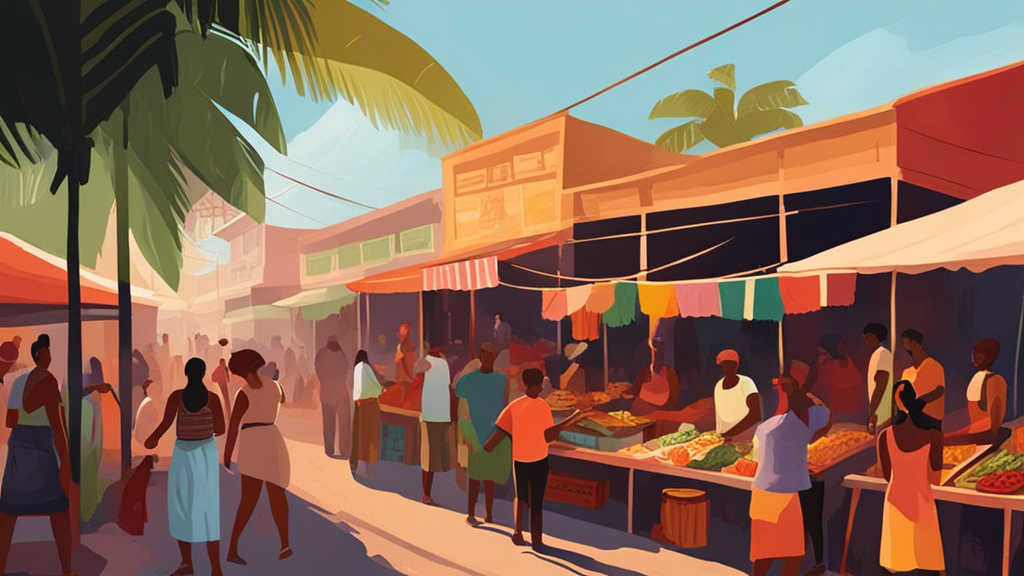
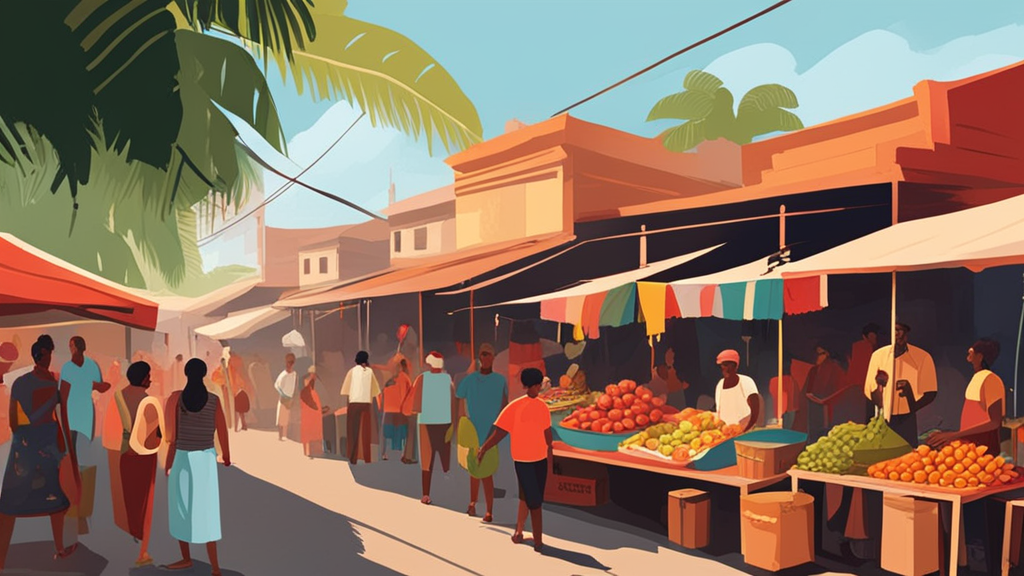
- Learn the Local Cuisine: Explore traditional dishes like roti, pom, and saoto soup. Visiting local markets can also provide a taste of daily life.
- Participate in Festivals: Attend local festivals to immerse yourself in Surinamese culture. These events are not only celebratory but also educational, offering a glimpse into the country’s history and traditions.
- Respect Cultural Norms: Familiarize yourself with local etiquette, such as greetings and dining customs. For example, it’s common to greet people with a handshake, and addressing someone by their title can show respect.
- Explore the Natural Beauty: Suriname is home to pristine rainforests and a rich biodiversity. Engaging with nature through guided tours can deepen your appreciation for the country's heritage.
Conclusion
Suriname's rich history and diverse culture offer expatriates a unique opportunity to engage with a vibrant society. By understanding the historical context, embracing local customs, and participating in cultural celebrations, newcomers can foster meaningful connections and ease their transition into Surinamese life. The country's blend of traditions and ethnicities is not only a source of national pride but also a welcoming environment for those willing to explore and engage with its depths.
AI-Generated Content: This article was created with AI assistance and may contain inaccuracies. Please verify important information with official sources.
Last updated: July 2026