This guide was synthesized using the latest legislative data and verified by our editorial board. Laws are subject to change; always consult official sources for final confirmation.
The music and arts scene in Paramaribo, the capital of Suriname, is a vibrant tapestry woven from the threads of its diverse cultural heritage. With influences from African, Asian, and European traditions, the city pulses with lively rhythms and colorful expressions of creativity. This article delves into the unique genres of Surinamese music, explores the local arts scene, highlights significant festivals, and offers practical tips for expatriates looking to immerse themselves in this rich cultural landscape.
Key Genres of Surinamese Music
Surinamese music is marked by its diversity, with several genres reflecting the country’s multicultural population. The most prominent genres include kawina, kaseko, and maroon music, each with its own distinct characteristics and historical significance.
Kawina: The Voice of Resilience
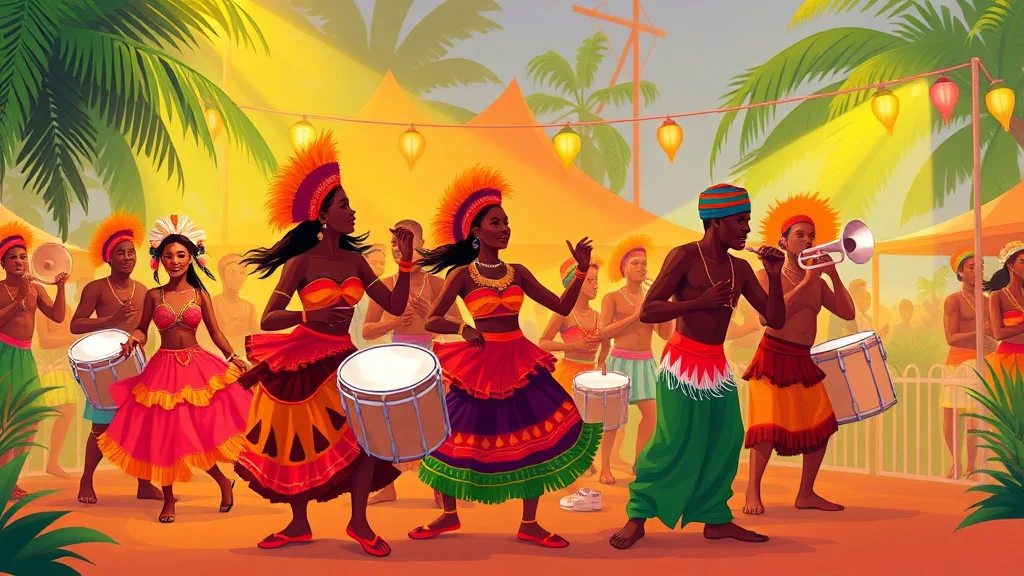
Kawina is a traditional music genre that originated around the 1860s, following the abolition of slavery in Suriname. This genre is primarily associated with the Maroon communities, descendants of escaped enslaved Africans who formed their own societies in the dense jungles of the region. The music typically features call-and-response vocal patterns, accompanied by various percussion instruments such as the skratji (a large bass drum) and the kwa-kwa bangi (an idiophone).
Thematically, kawina songs often reflect social issues and community life, evolving from religious roots into entertainment music. The transition mirrors the journey of the Maroon people, who have maintained their cultural identity through music. Expats interested in experiencing kawina should look for local performances, often held during community events and festivals.
Kaseko: A Fusion of Rhythms
Kaseko is another integral genre in Suriname’s musical landscape. Originating in the early 20th century, it is a lively fusion of African, European, and Caribbean musical styles. The term itself is believed to derive from the French phrase "casser le corps," meaning "to break the body," indicative of the dance moves associated with this energetic music.
Kaseko typically features brass instruments, drums, and a blend of vocal styles, including both solo and choral singing. The genre is characterized by its upbeat tempos and complex rhythms, making it a favorite at celebrations and dance parties. To fully appreciate kaseko, expats can attend local concerts or dance events, where the infectious beats invite everyone to join in the fun.
Maroon and Other Influences
Maroon music, with its deep cultural roots, remains a vital part of Suriname's heritage. The musical styles of various Maroon groups, including aleke and seketi, often feature storytelling through song, a practice that has preserved their history and traditions. Traditional instruments are used, creating unique sounds that resonate with their ancestral past.
In addition to the African influences, Suriname's music scene also incorporates elements from Javanese, Indian, and Chinese traditions. Javanese gamelan music, characterized by its intricate percussion and melodic xylophones, is commonly performed during cultural events, while Indo-Surinamese music brings Bollywood influences into the mix, enriching the overall soundscape.
Paramaribo's Artistic Landscape
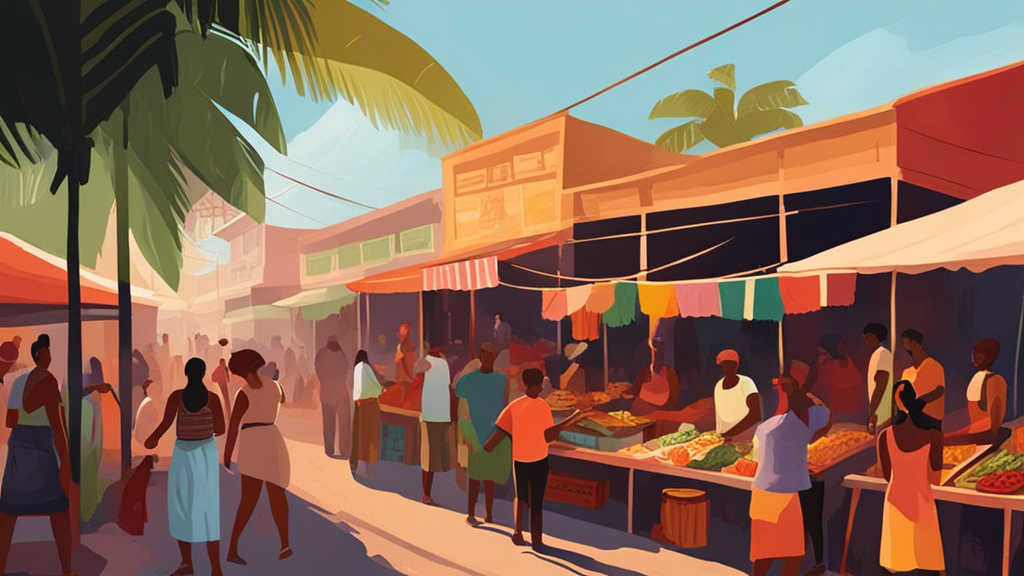
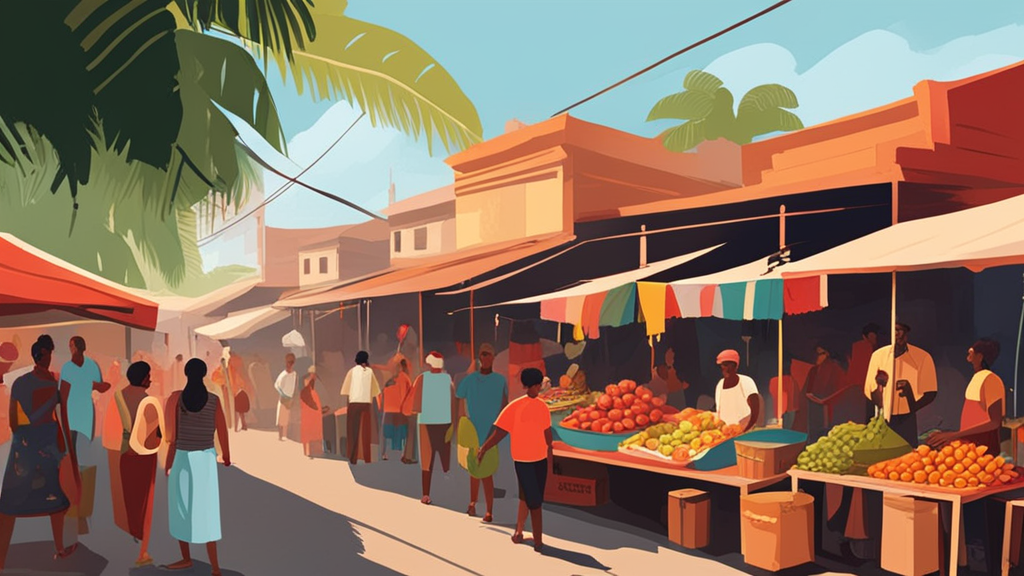
The arts scene in Paramaribo is equally dynamic, with numerous galleries, theaters, and cultural centers showcasing local talent. The city is home to a range of artistic expressions, from visual arts to performing arts, reflecting the diverse cultural background of its residents.
Visual Arts and Galleries
Several art galleries in Paramaribo focus on contemporary Surinamese artists, offering a platform for both established and emerging talents. These galleries often host exhibitions that explore themes of identity, culture, and social issues, providing insight into the Surinamese experience. Expats can visit these galleries to discover unique artworks and even purchase pieces to take home as souvenirs.
Moreover, public art installations and murals can be found throughout the city, transforming urban spaces into vibrant canvases that capture the spirit of Suriname. Engaging with local artists or participating in workshops can provide deeper insights into the creative processes behind these works.
Theater and Performance Arts
The performing arts in Paramaribo thrive through various theater companies and cultural organizations. Local productions often incorporate traditional storytelling, dance, and music, creating immersive experiences that celebrate Surinamese culture. The national theater hosts an array of performances, from dance recitals to theatrical plays, often performed in Sranan Tongo, the country’s lingua franca.
Expats interested in the performing arts should keep an eye out for community events and open mic nights, where local talents showcase their skills. These events provide an excellent opportunity for cultural exchange and interaction with the local community.
Festivals Celebrating Culture
Paramaribo is vibrant with festivals that celebrate its rich cultural heritage. These events are excellent opportunities for expats to experience the local customs, music, and arts firsthand.
Keti Koti: A National Celebration
Keti Koti, celebrated on July 1st, commemorates the abolition of slavery in Suriname. This significant national holiday features parades, music, dance, and speeches highlighting the struggles and resilience of the Surinamese people. Expats joining in the festivities can expect a rich display of cultural pride, with traditional music and dances performed throughout the city.
Phagwa and Diwali: Cultural Revelries
Phagwa (Holi), celebrated by the Hindustani community, typically takes place in March and is marked by vibrant colors, music, and dance. Participants engage in playful celebrations, throwing colored powders and water at each other, creating a joyful and lively atmosphere.
Diwali, celebrated in October/November, is another important festival in the Hindustani community. The festival of lights involves illuminating homes with oil lamps, family gatherings, and traditional music performances. Expats are often welcomed to join in the celebrations, offering a chance to experience the warmth of Surinamese hospitality.
What Expats Should Know
For expatriates navigating the music and arts scene in Paramaribo, here are some practical tips:
- Engage with Locals: Attend local events, join community activities, and make connections with artists and musicians. This will enrich your understanding of the culture and promote social integration.
- Explore Festivals: Participate in cultural festivals and celebrations to experience the vibrant traditions and community spirit of Suriname. Being part of these events fosters a sense of belonging.
- Learn Basic Phrases: Familiarizing yourself with Sranan Tongo can enhance your interactions with locals. Simple greetings and expressions can go a long way in building rapport.
- Support Local Artists: Purchase artworks, attend performances, and promote local talent. This not only helps sustain the arts community but also allows you to take a piece of Suriname home with you.
In conclusion, the music and arts scene in Paramaribo is a vibrant reflection of Suriname's diverse cultural heritage. From the captivating rhythms of kawina and kaseko to the colorful expressions of visual arts, there is much to explore and appreciate. By engaging with local communities, participating in festivals, and supporting artists, expatriates can forge meaningful connections and enrich their experience in this unique South American country.
AI-Generated Content: This article was created with AI assistance and may contain inaccuracies. Please verify important information with official sources.
Last updated: July 2026