
This guide was synthesized using the latest legislative data and verified by our editorial board. Laws are subject to change; always consult official sources for final confirmation.
Suriname, a tropical country on the northeast coast of South America, presents a unique blend of rich natural resources and challenges, particularly concerning its road infrastructure in the interior regions. This article explores the quality of roads, accessibility, and the implications for expatriates and travelers looking to navigate this diverse landscape.
Overview of Suriname's Road Infrastructure
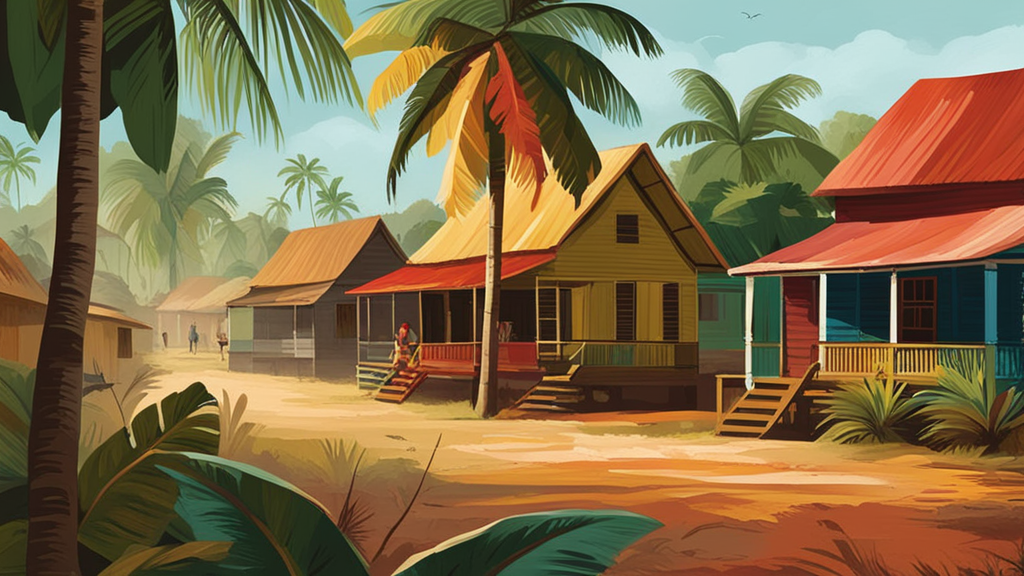
Suriname's road infrastructure is a crucial aspect of its development, particularly in its interior regions, which are home to significant Indigenous and Maroon communities. The country ranks 71st out of 148 globally for road quality, indicating that while some roads are usable, many remain underdeveloped. The interior regions, characterized by dense tropical rainforest and limited urbanization, often face greater challenges in transportation compared to the coastal areas.
Most roads in the interior are unpaved, which can be problematic during the rainy season, when heavy rains can lead to washouts and impassable routes. Accessibility to some of these remote areas is limited, making travel times longer and often requiring specialized vehicles. For expatriates, understanding the state of these roads is essential for planning travel and logistics in Suriname.
Key Interior Regions and Their Road Conditions
1. The Sipaliwini District
The Sipaliwini District, located in the southern part of Suriname, is known for its vast wilderness and Indigenous communities. Here, road infrastructure is minimal, with few main roads connecting villages. The primary access routes are often in poor condition, making them challenging to navigate, especially during the rainy season. Travelers typically rely on four-wheel-drive vehicles or even boats for transportation between remote locations.
Expats looking to explore this region should consider the use of local guides or organized tours, which can provide better insights into the safest and most reliable routes. Additionally, accessing healthcare and essential services can be complicated due to the lack of road infrastructure, underscoring the importance of being prepared when venturing into these areas.
2. The Brokopondo District
Brokopondo is slightly more accessible than Sipaliwini but still presents challenges. The main roads leading to the capital and surrounding areas are generally in better condition; however, secondary roads can be rough. The district is home to a large reservoir, which attracts visitors, but reaching its recreational areas can be tricky due to limited road maintenance.
For families and expatriates, it’s advisable to plan trips during the dry season when road conditions improve. This timing enhances safety and reduces the likelihood of encountering washed-out paths. Furthermore, consider carrying essential supplies, as amenities can be sparse in more remote sections of Brokopondo.
Transportation Options in the Interior
Given the challenges posed by road conditions in Suriname's interior, transportation options are limited but diverse. Many locals and expatriates utilize small aircraft for longer distances, especially to access remote communities that are otherwise isolated. Domestic flights can be booked from Paramaribo to various interior airstrips, offering a fast and reliable means of travel.
Additionally, river transport is a common method in the interior regions, with many communities relying on boats for trade and travel. This method can be an enjoyable way to experience Suriname's stunning landscapes, though it is essential to verify weather conditions before embarking on such journeys as they can be impacted by seasonal weather changes.
Climate Considerations for Travelers
The climate in Suriname significantly affects road conditions and transportation options. With an average temperature ranging from 27-32°C (80-90°F) year-round, the heat may not be an issue, but the heavy rainfall during certain months can create difficulties. During the rainy season, many roads may become muddy and impassable, leading to delays and increased travel times.
Travelers should always check weather forecasts and local advisories before planning trips to the interior. It is advisable to pack accordingly, considering both the heat and the potential for rain, and to equip vehicles with necessary supplies such as spare tires and repair kits.
What Expats Should Know
For expatriates relocating to or living in Suriname, understanding the intricacies of the road infrastructure is vital for navigating daily life. Here are some practical tips:
- Vehicle Choice: If planning to travel frequently to the interior, consider investing in a 4x4 vehicle, which can handle rough road conditions better than standard cars.
- Local Knowledge: Engage with local communities and fellow expats to gain insights into current road conditions and travel tips.
- Emergency Preparedness: Always carry a first-aid kit and emergency supplies when traveling to remote areas, as services may not be readily available.
- Seasonal Planning: Plan travel during the dry season whenever possible to minimize disruptions caused by poor road conditions.
Conclusion
The quality of road infrastructure in Suriname's interior regions presents both challenges and opportunities for expatriates and travelers. While some areas may be difficult to access due to unpaved roads and seasonal rains, understanding the geographical landscape can lead to rewarding experiences. Whether exploring the lush rainforests of Sipaliwini or the recreational spots in Brokopondo, being prepared and informed will enhance your journey through this beautiful and diverse country.
AI-Generated Content: This article was created with AI assistance and may contain inaccuracies. Please verify important information with official sources.
Primary Sources
Last updated: September 2026