
This guide was synthesized using the latest legislative data and verified by our editorial board. Laws are subject to change; always consult official sources for final confirmation.
Coronie District, located on the northern coast of Suriname, offers a unique blend of tranquility, rich history, and cultural heritage. Known for its low population density and serene landscapes, daily life in Coronie is a refreshing escape from the bustling urban centers. This article provides insights into what daily life is like in Coronie, covering its geography, climate, local culture, and practical tips for expatriates and families considering relocation.
1. Geography and Accessibility
Coronie occupies a coastal position in northwestern Suriname, bounded by the Atlantic Ocean to the north and bordered by the districts of Saramacca, Sipaliwini, and Nickerie. The district spans an area of approximately 3,902 km², making it the least populated district in Suriname, with a population of around 3,391 as of the last census. The capital of Coronie is Totness, which serves as the primary administrative and commercial hub.
Accessibility to Coronie is facilitated by the East-West Connection road, which links the district to Paramaribo, the capital city, located approximately 100 km to the northwest. Travel times can vary depending on road conditions. While specific public transport options are not detailed, it is common for travelers to use various forms of local transportation to reach their destinations. Although well-connected, be prepared for occasional delays due to road conditions or weather.
Local Transport
Inside Coronie, transportation is limited, with many locals using bicycles or walking to navigate the small villages. Taxis and motorbikes are also common, and travelers can hire them for short distances. The district has a laid-back atmosphere, making it easy to embrace the slower pace of life.
2. Climate and Seasonal Considerations
Coronie boasts a tropical climate, characterized by warm temperatures throughout the year, typically ranging from 27°C to 32°C (80°F to 90°F). The area experiences two main seasons: a rainy season and a dry season. During the rainy season, heavy downpours can lead to localized flooding, particularly in low-lying areas, so it's crucial for expats to remain informed about weather conditions.
Humidity levels in Coronie can be high, often reaching 80-90%. This can take some getting used to for newcomers, so it’s advisable to stay hydrated and wear breathable clothing. The constant warm climate means that air conditioning is a common feature in homes and public spaces, providing relief from the heat.
Adapting to the Weather
For expatriates, acclimating to the tropical climate involves embracing outdoor activities during the cooler hours of the day, typically in the mornings or evenings. It's wise to invest in quality sunblock, insect repellent, and light clothing that offers protection against mosquitoes and the sun.
3. Daily Life and Culture
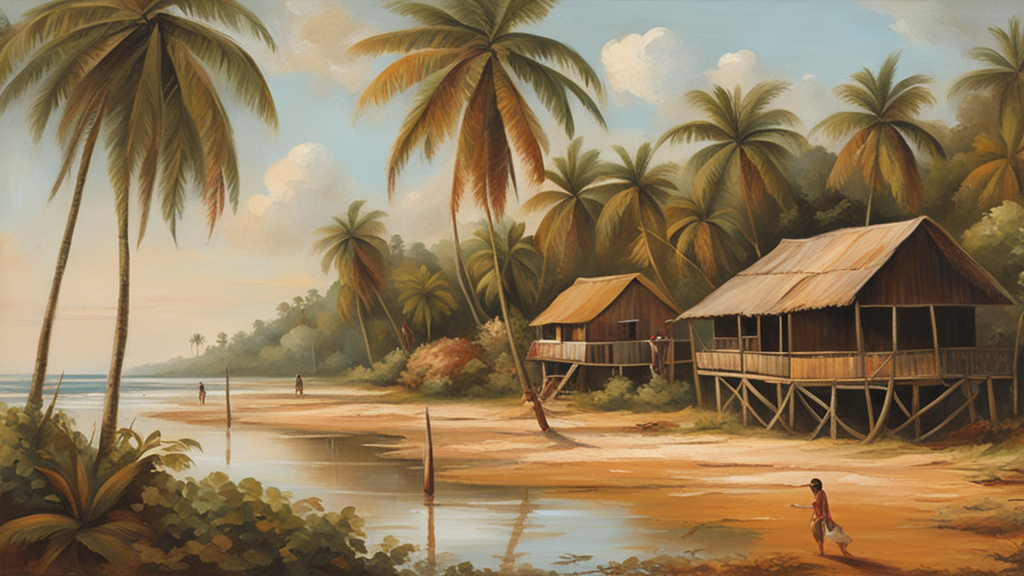
Daily life in Coronie is marked by a slower pace, where community interactions are valued. The district is known for its charming wooden houses, some of which date back to the colonial era. These architectural styles reflect the English heritage of the area, which is evident in place names such as Totness, Friendship, and Burnside. The local culture is a melting pot of influences, with a strong Creole presence shaped by centuries of history.
Locals often engage in agriculture, with coconut and rice cultivation being significant economic activities. The community is also known for artisanal honey production from the Parwa mangrove blossoms, a local specialty that adds a unique flavor to daily life. Markets are lively, and visitors can find fresh produce, homemade goods, and local crafts, fostering a sense of community among vendors and shoppers.
Social Interactions
Social life revolves around community gatherings, often centered around local events, festivals, and religious ceremonies. Expats and families moving to Coronie will find that building relationships with neighbors is essential for integrating into the community. Participating in local events or volunteering at community centers can be excellent ways to meet people and learn about the culture.
4. Education and Healthcare
For families considering a move to Coronie, education options are available, though they may be limited compared to larger cities. Schools typically follow the national curriculum, and expatriate families might need to consider transport options for children attending schools in nearby districts. It's advisable to research schools in advance, as enrollment can vary based on demand and availability.
Healthcare facilities in Coronie are basic, and while there are local clinics, for more serious medical issues, residents often travel to Paramaribo. Expats should ensure they have comprehensive health insurance that covers medical transport or treatment in larger cities, as healthcare access can be limited in rural areas.
Local Amenities
Coronie offers some local amenities, including grocery stores, small markets, and eateries that serve traditional Surinamese cuisine. Dining out typically involves enjoying local dishes such as rice and beans, fried fish, or coconut-based curries. Expats might find it challenging to locate international products, so it's advisable to stock up on essentials during trips to Paramaribo.
5. Practical Tips for Expats
Relocating to Coronie can be a rewarding experience, but it's essential to prepare adequately. Here are some practical tips:
- Learn Basic Dutch or Sranan Tongo: While many locals speak English, familiarity with the local languages can enhance communication and community integration.
- Stay Informed About Local Events: Engage with local expat groups or community boards to stay updated on events, markets, and cultural activities.
- Invest in Home Comforts: Consider bringing essential items that may not be readily available in Coronie, such as specific food products or household goods.
- Establish a Routine: Embrace the slower pace of life by developing a daily routine that incorporates local traditions, markets, and community activities.
- Maintain an Active Lifestyle: The natural surroundings are perfect for outdoor activities. Take advantage of the coastal environment for walks, cycling, or fishing.
Conclusion
Life in Coronie District offers expatriates a unique opportunity to experience a tranquil lifestyle steeped in rich history and culture. From its charming villages and beautiful landscapes to its warm community, Coronie invites you to slow down and enjoy the simple pleasures of daily life. By understanding the local environment, embracing cultural practices, and connecting with the community, newcomers can settle into this serene coastal district and enjoy all that it has to offer.
AI-Generated Content: This article was created with AI assistance and may contain inaccuracies. Please verify important information with official sources.