This guide was synthesized using the latest legislative data and verified by our editorial board. Laws are subject to change; always consult official sources for final confirmation.
Para District, located just south of Suriname's capital Paramaribo, offers a unique blend of tropical nature, vibrant villages, and rich culture. This guide will explore the villages in the Para District, the stunning natural landscapes that surround them, and practical tips on accessing these areas. Whether you are an international professional, a digital nomad, or a family considering a move, understanding this district's offerings will enhance your experience in Suriname.
Overview of Para District
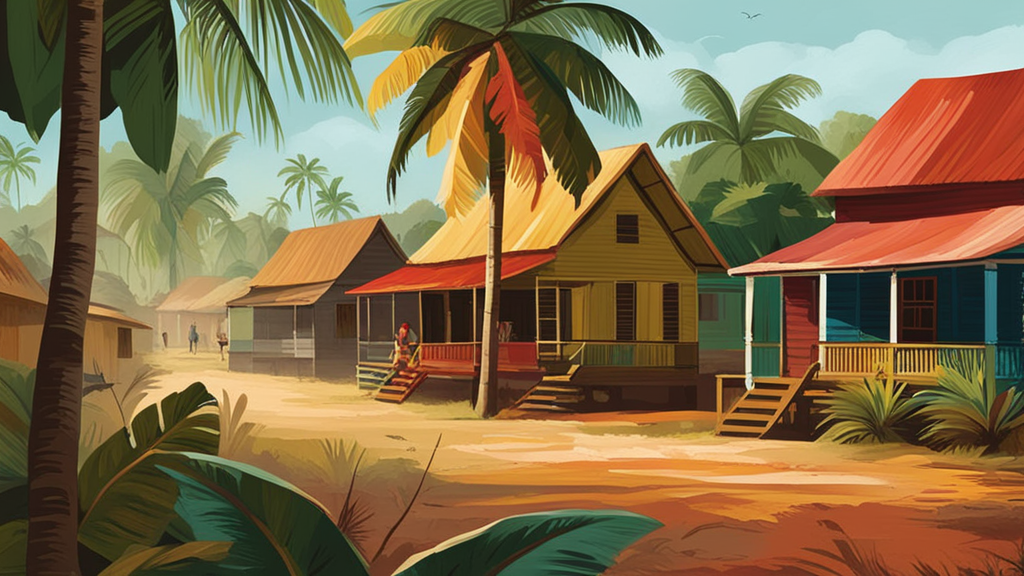
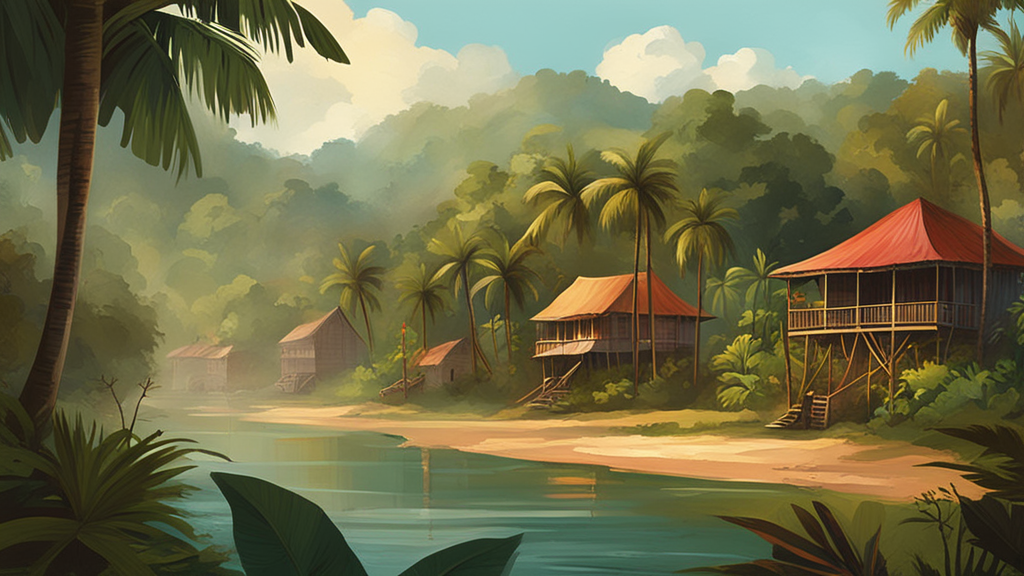
Para District is one of the ten administrative districts of Suriname, boasting lush greenery and diverse ecosystems. The district is characterized by its rural villages, dense rainforests, and the beautiful Commewijne River. The region is primarily inhabited by local communities, including Indigenous and Maroon populations, who maintain their traditional lifestyles while also adapting to modern influences.
The district is approximately 60 kilometers from Paramaribo and can be reached by car in about 1.5 hours. The main road, the East-West Link, provides accessible transport options for residents and visitors alike, making it easier to explore the surrounding nature and villages. The climate in Para is typically tropical, with average temperatures ranging from 27 to 32°C (80 to 90°F) year-round. Suriname experiences two main seasons: the rainy season from April to August and November to February, and the dry season from February to April and August to November. Planning your visit during the dry season can enhance your experience, as outdoor activities are more enjoyable.
Villages in Para District
Key Villages to Explore
Para District is home to several notable villages, each with its unique charm and cultural significance.
- Onverwacht: This village is known for its friendly community and rich history. It offers a glimpse into traditional Surinamese life, with local markets and cultural events showcasing the vibrant heritage of the region.
- Koewarasan: This village is situated near the banks of the Commewijne River and is ideal for eco-tourism. Visitors can enjoy boat rides, fishing, and bird watching, immersing themselves in the region's natural beauty.
- Paranam: Known for its beautiful surroundings and close-knit community, Paranam is a popular destination for those seeking tranquility. The village hosts various cultural festivities throughout the year, providing insight into local customs and traditions.
Cultural Insights
Each village in Para District is a microcosm of Surinamese culture, with its unique customs, languages, and traditions. The Indigenous groups, including the Kalina and Lokono peoples, maintain their cultural practices, often sharing their knowledge of local flora and fauna with visitors. Engaging with locals through community events or festivals can offer valuable insights into their way of life.
Natural Attractions in Para District
Diverse Ecosystems
Para District is replete with stunning natural attractions, including vast rainforests and abundant wildlife. The district's ecosystems are home to diverse flora and fauna, making it a paradise for nature lovers and adventure seekers.
The Commewijne River is a prominent feature of the district, offering opportunities for recreational activities such as kayaking, fishing, and eco-tours. The river is teeming with life, and visitors may spot various bird species, monkeys, and even caimans along its banks.
For those interested in hiking and exploring the rainforest, the Central Suriname Nature Reserve, a UNESCO World Heritage site, is just a short drive from Para. The reserve is known for its rich biodiversity, including rare bird species and unique plant life. Popular hiking trails lead to breathtaking viewpoints, such as the Voltzberg, where you can enjoy panoramic views of the surrounding jungle.
Protected Areas and Conservation Efforts
Suriname places great importance on conservation, with several protected areas in the Para District dedicated to preserving its natural heritage. The Galibi Nature Reserve, located in the northeastern part of the district, is a critical habitat for various endangered species and offers excellent opportunities for eco-tourism.
Visitors to the Galibi Nature Reserve can participate in guided tours led by local Indigenous communities, who share their knowledge of the ecosystem and its importance. These tours often include activities such as birdwatching, wildlife spotting, and learning about traditional medicinal plants.
Accessing Para District
Transportation Options
Accessing Para District is relatively straightforward. The East-West Link (N1) connects Paramaribo to the district, with well-maintained roads allowing for convenient travel. Buses also operate between Paramaribo and various villages in Para, providing an affordable option for those looking to explore the area.
For a more adventurous experience, consider hiring a local guide or joining a tour group. Local guides possess invaluable knowledge of the region, including the best hiking trails, hidden gems, and insights into local customs. Additionally, many tour operators offer packages that combine transport, accommodation, and guided activities, making it easier to experience all that Para has to offer.
Safety Considerations
While Para District is generally safe for visitors, it's wise to take standard safety precautions. Always inform someone of your travel plans, especially if venturing into remote areas. Ensure you have adequate supplies, including water, food, and first aid kits, when exploring nature. It’s advisable to travel during daylight hours and avoid isolated areas at night. Engaging with local guides can enhance safety and enrich your experience, as they can provide valuable insights and assistance.
What Expats Should Know
For expatriates relocating to Para District, understanding the local culture and building connections with the community are essential. Learning a few phrases in Sranan Tongo, the local language, can go a long way in establishing rapport with the residents.
Local markets in villages often offer fresh produce, artisanal goods, and traditional crafts, providing an excellent opportunity to support the community and experience authentic Surinamese culture. Expats should also consider joining local clubs or organizations to meet like-minded individuals and expand their social network.
Conclusion
Para District is a hidden gem in Suriname, offering a rich tapestry of culture, nature, and community life. With its stunning landscapes, vibrant villages, and accessible transport options, it is an ideal destination for expats, digital nomads, and families seeking a unique experience. Engaging with local communities and exploring the natural wonders of the area will enrich your time in Suriname, allowing you to create lasting memories in this beautiful district.
AI-Generated Content: This article was created with AI assistance and may contain inaccuracies. Please verify important information with official sources.
Primary Sources
Last updated: October 2026