This guide was synthesized using the latest legislative data and verified by our editorial board. Laws are subject to change; always consult official sources for final confirmation.
Welcome to Totness, the capital of Coronie district in Suriname, where village life thrives amid stunning natural beauty and rich culture. This article delves into the daily life, accessibility, and unique characteristics of Totness, offering practical insights for expatriates and travelers looking to explore this hidden gem.
Understanding Totness and Its Significance
Totness, situated on the north coast of Suriname, serves as the heart of the Coronie district. With a population of approximately 3,391 people, it is the least populated district in Suriname, allowing for a close-knit community atmosphere. The village’s historical roots as the oldest settlement in Coronie are evident in its architecture and local traditions. The area is primarily agricultural, with coconut and rice plantations being the mainstay of the local economy.
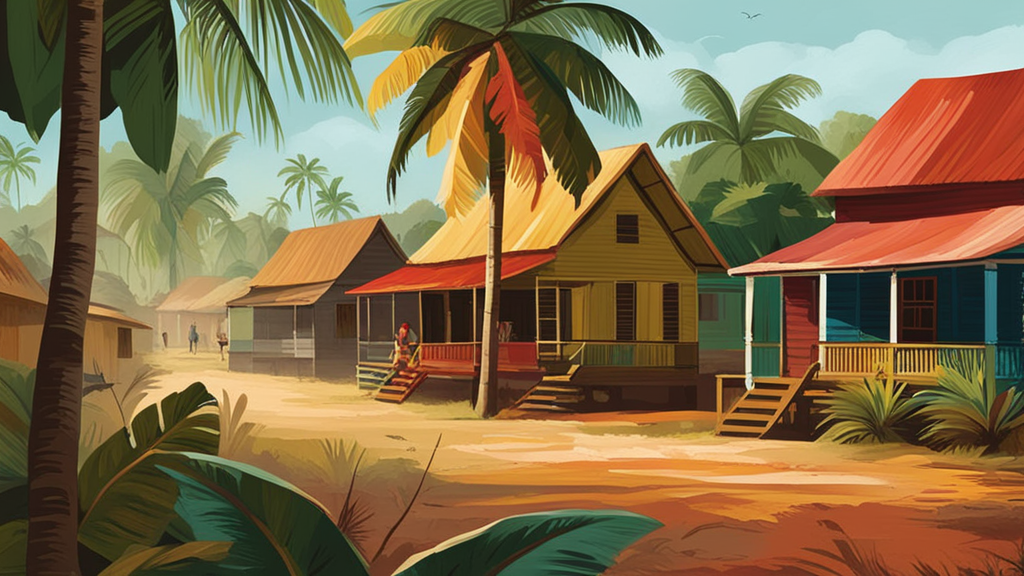
Life in Totness revolves around community and agriculture, where residents engage in farming and fishing. The village is characterized by its lush green landscape, with coconut palms swaying in the tropical breeze, creating an idyllic setting for both locals and visitors. The laid-back lifestyle, combined with the warm hospitality of the villagers, makes Totness a welcoming place for expatriates.
Village Life: A Blend of Tradition and Modernity
Living in Totness offers a unique blend of traditional Surinamese culture and modern conveniences. The village is home to several community gatherings and local festivals that celebrate the rich cultural heritage of Suriname. Events often feature traditional music, dance, and local cuisine, providing a glimpse into the vibrant life of the villagers.
Daily life in Totness is typically characterized by early mornings filled with the sounds of nature, as farmers tend to their fields and fishermen set out to sea. Residents often rely on local markets for their produce, where fresh fruits, vegetables, and seafood are readily available. The market atmosphere is lively, allowing for social interactions and community bonding.
Accessibility and Transport Options
Getting to Totness from Paramaribo, the capital city of Suriname, is relatively straightforward, although it requires some planning. The distance between Paramaribo and Totness is approximately 100 kilometers (about 62 miles), which typically translates to a travel time of around 2 to 3 hours by road. The main route is via the East-West Link, connecting the coastal areas with the interior.
Public transportation options, such as minibuses and taxis, are available, although they may not always adhere to a strict schedule. For a more comfortable journey, consider renting a car. The drive offers scenic views of the lush Surinamese landscape and the occasional glimpse of local wildlife. There is also a small airstrip in Totness, allowing for limited air travel options, although services may not be frequent.
Climate and Seasonal Considerations
Totness enjoys a tropical climate, with temperatures consistently ranging between 27 to 32°C (80 to 90°F) year-round. The area experiences two main seasons: the rainy season, which occurs from April to August and November to February, and the dry season, from February to April and August to November. During the rainy season, heavy downpours can occur, so it is advisable to plan outdoor activities accordingly.
Humidity levels can be high, particularly during the rainy season, making air conditioning a common necessity in homes and local establishments. When relocating to Totness, prospective expats should consider the impact of the climate on daily life, particularly in terms of outdoor activities and transportation.
Safety and Community Considerations
Safety is a vital aspect of village life in Totness. Overall, the village has a low crime rate, but it is still advisable to exercise caution, especially when traveling alone at night. Being part of the local community can enhance safety, as residents look out for one another. Engaging with neighbors and participating in local events can foster a sense of belonging and provide valuable insights into the area.
Additionally, access to healthcare facilities may be limited in Totness. While there are basic medical services available, more comprehensive healthcare options can be found in Paramaribo. Expats should ensure they have appropriate health insurance and familiarize themselves with the nearest medical facilities upon arrival.
What Expats Should Know About Living in Totness
For expatriates considering a move to Totness, being adaptable and open to local ways of life is essential. The pace of life is slower compared to urban centers, offering a tranquil living experience. Embracing the local culture, including learning some Sranan Tongo phrases, can greatly enhance the integration process.
Additionally, while most basic amenities are available, more specialized services or products may require a trip to Paramaribo. Establishing a routine for grocery shopping or accessing services can help maintain a convenient lifestyle. The village's strong sense of community also means that making connections with locals can provide support and guidance during the transition.
Conclusion
Totness in Coronie district offers a unique lifestyle characterized by vibrant community life, agricultural traditions, and stunning natural surroundings. Its accessibility from Paramaribo and the warm hospitality of its residents make it an appealing destination for expatriates seeking a slower pace of life in a tropical setting. By understanding the local culture, climate, and community dynamics, newcomers can successfully navigate life in this charming village.
AI-Generated Content: This article was created with AI assistance and may contain inaccuracies. Please verify important information with official sources.
Primary Sources
Last updated: September 2026