This guide was synthesized using the latest legislative data and verified by our editorial board. Laws are subject to change; always consult official sources for final confirmation.
The Brokopondo Reservoir, also known as Professor Doctor Ingenieur W. J. van Blommestein Meer, is a vital landmark in Suriname, offering a unique blend of natural beauty and historical significance. This guide aims to provide expatriates with essential insights into visiting and experiencing the reservoir, including its history, accessibility, nature parks, and practical tips for making the most of your trip.
History of Brokopondo Reservoir
The Brokopondo Reservoir was constructed between 1961 and 1964 by building the Afobaka Dam across the Suriname River. This monumental project was initiated to generate hydroelectric power, primarily for the bauxite processing industry in Suriname, particularly for the Suriname Aluminum Company. The dam spans 54 meters (177 feet) high and stretches approximately 12 kilometers (7.5 miles) in length. Its construction resulted in the flooding of about 160,000 hectares of land, which included the displacement of nearly 5,000 residents from several villages, such as Ganzee. The reservoir, with a surface area of around 1,560 square kilometers (600 square miles), is one of the largest artificial lakes globally, covering almost one percent of Suriname's total land area.
Despite its importance for energy production, the dam has faced criticism due to its environmental impact. Reports indicate that the reservoir flooded a significant area of biologically valuable tropical rainforest, raising concerns about biodiversity loss. Nevertheless, the reservoir has also played a crucial role in economic development, enabling better irrigation and increasing tourist activity in the region.
Geography and Accessibility
Located approximately 45 kilometers (28 miles) from Paramaribo, the Brokopondo Reservoir is easily accessible via the Avobakaweg road, which connects the reservoir area to the capital. The journey from Paramaribo typically takes about an hour by car, making it a feasible day trip for expatriates and tourists. Various local transportation options are available, including taxi services and rental vehicles. It is advisable to arrange transportation in advance, especially during the rainy season, when road conditions can vary.
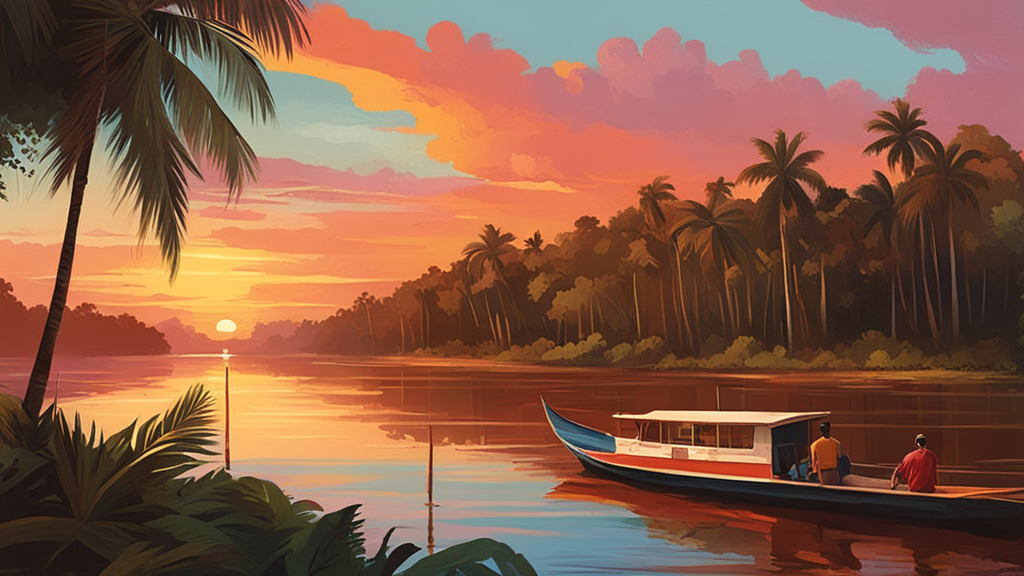
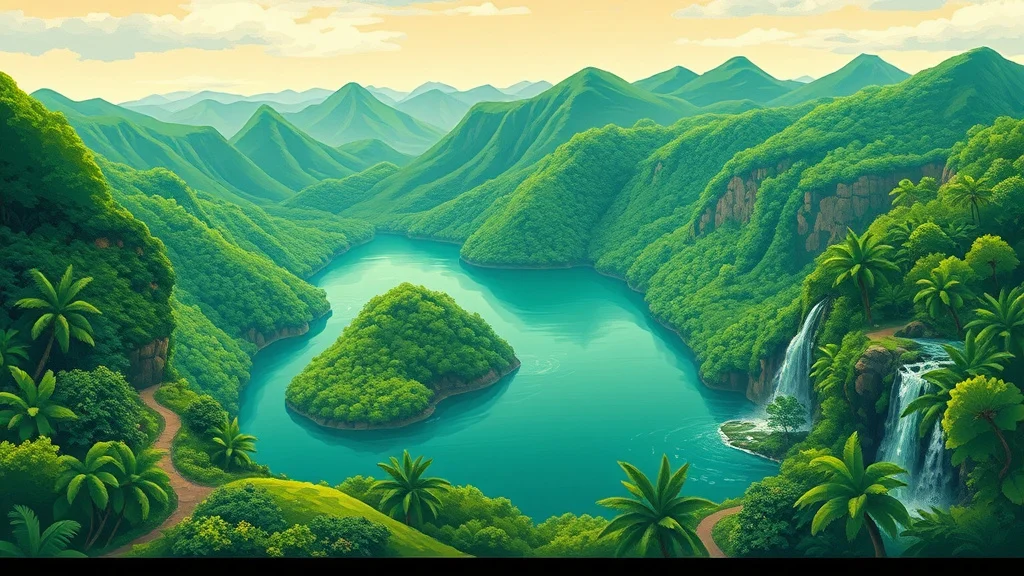
As you approach the reservoir, you will encounter stunning views of the expansive water body, surrounded by verdant rainforests and vibrant wildlife. For those interested in exploring the region further, you may consider visiting nearby towns like Afobaka and Brownsweg, which offer additional cultural experiences and opportunities for eco-tourism.
Nature and Activities at the Reservoir
The Brokopondo Reservoir is not just a hydropower source; it is also a hub for eco-tourism and outdoor activities. The area boasts several nature parks and reserves, including the Brownsberg Nature Park, which covers 12,250 hectares. This park is home to diverse wildlife, hiking trails, and waterfalls, such as the Irene Falls, making it a perfect destination for nature enthusiasts. Visitors can engage in birdwatching, hiking, and photography while enjoying the breathtaking views from various lookout points within the park.
For a more immersive experience, consider participating in water-based activities. Kayaking and fishing are popular on the reservoir, allowing visitors to appreciate the serene environment. Local guides often offer fishing tours, providing insights into the best fishing spots and techniques for catching local species. Always verify with local authorities regarding fishing regulations to ensure a sustainable experience.
Climate Considerations
Suriname's climate is tropical, with year-round temperatures ranging from 27°C to 32°C (80°F to 90°F). The Brokopondo Reservoir experiences two primary seasons: the rainy season from April to August and November to February, and the dry season from February to April and August to November. During the rainy season, the area may receive heavy rainfall, which can impact travel conditions and outdoor activities. Planning your visit during the dry season can enhance your experience, as you will encounter more favorable weather for outdoor pursuits.
When visiting, ensure you are adequately prepared for the tropical climate. Lightweight, breathable clothing is recommended, along with sunscreen and insect repellent. Hydration is crucial, especially during outdoor activities, so carry sufficient water supplies with you.
Safety and Environmental Considerations
While the Brokopondo Reservoir is generally safe for visitors, it is essential to remain vigilant and take standard safety precautions. When participating in water activities, always wear life jackets and heed the advice of local guides. Be cautious of wildlife, particularly when hiking in the rainforest, as encounters with snakes and insects are possible.
Environmental conservation is vital in this region, given its ecological significance. Visitors should adhere to Leave No Trace principles, ensuring that they do not disturb wildlife or litter the area. Engaging with local eco-tourism initiatives can also contribute positively to the environment and local communities.
What Expats Should Know
For expatriates considering a visit to the Brokopondo Reservoir, here are some practical tips:
- Language: While Dutch is the official language, many locals speak Sranan Tongo and English, particularly in tourist areas. Learning a few basic phrases in Dutch or Sranan Tongo can enhance your interactions.
- Accommodation: Options near the reservoir may be limited. It is advisable to book accommodations in advance, especially during peak tourist seasons. Consider eco-lodges or local guesthouses for a more authentic experience.
- Local Cuisine: Don't miss trying local Surinamese dishes at nearby restaurants. Sample traditional foods such as roti, pom, and various fish dishes, which often reflect the region's rich cultural diversity.
- Respect Local Customs: Engage respectfully with local communities, particularly when visiting indigenous areas. Demonstrating interest in their culture can lead to enriching experiences.
Conclusion
The Brokopondo Reservoir offers expatriates and visitors a unique blend of natural beauty, adventure, and cultural experiences. With its rich history, diverse ecosystems, and accessibility from Paramaribo, it represents an essential aspect of Suriname's landscape. By understanding the seasonal climate, safety considerations, and engaging with local communities, you can make the most of your visit to this remarkable destination. Whether you are exploring the reservoir's waters, hiking in nearby parks, or immersing yourself in local culture, the Brokopondo Reservoir is sure to leave a lasting impression.
AI-Generated Content: This article was created with AI assistance and may contain inaccuracies. Please verify important information with official sources.
Last updated: July 2026