This guide was synthesized using the latest legislative data and verified by our editorial board. Laws are subject to change; always consult official sources for final confirmation.
Suriname, a hidden gem in South America, boasts a wealth of natural beauty encapsulated in its national parks. This guide provides an in-depth look at the most notable parks, their unique features, accessibility, and tips for visitors. Whether you’re a digital nomad seeking adventure or a family exploring new cultures, Suriname's parks offer rich experiences in a lush tropical setting.
Overview of Suriname's National Parks
Suriname is home to several national parks, each showcasing the country's remarkable biodiversity and unique ecosystems. With over 90% of its land covered by tropical rainforests, the parks are vital for conservation and provide a sanctuary for various flora and fauna, many of which are endemic. The largest and most recognized among these is the Central Suriname Nature Reserve, a UNESCO World Heritage Site.
Visiting these parks allows you to experience the wild heart of the Amazon, where you can encounter diverse wildlife, from playful river dolphins to elusive jaguars. The parks are not just natural wonders; they also hold cultural significance for the indigenous communities that inhabit these regions.
Top National Parks in Suriname
Central Suriname Nature Reserve
Covering 16,000 square kilometers, the Central Suriname Nature Reserve is a flagship area for biodiversity in Suriname. As a UNESCO World Heritage Site, it is recognized for its pristine rainforest and extensive wildlife, including tapirs, howler monkeys, and numerous bird species. The reserve is typically accessible via guided tours or organized expeditions, often starting from Paramaribo, which is about a 5-6 hour journey by road and river.
Visiting the reserve is best planned during the dry seasons (August to November and February to March) when trails are less muddy, making exploration more enjoyable. Local guides can provide invaluable insights into the ecology and cultural significance of the area, enhancing your experience.
Brownsberg Nature Park
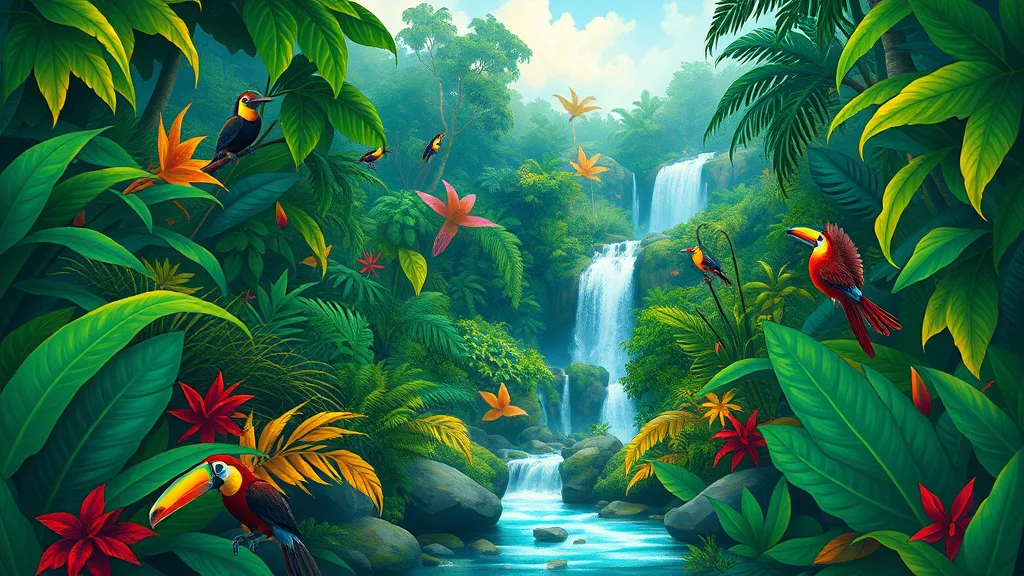
Located just 130 kilometers from Paramaribo, Brownsberg Nature Park is known for its scenic views and rich biodiversity. Established in 1969, the park covers 122 square kilometers and features several hiking trails that lead to stunning waterfalls and panoramic viewpoints. The park is particularly famous for its birdwatching opportunities, where visitors can spot species such as the Guiana cock-of-the-rock and various hummingbirds.
Accessibility from Paramaribo is straightforward, with transportation options including a rental car or guided tours. The typical travel time is around 2.5 to 3 hours. The dry season remains the best time to visit Brownsberg, as the trails are less slippery and the chances of wildlife sightings increase. Accommodations within the park, including basic lodges and camping facilities, allow for an immersive experience in nature.
Wia Wia Nature Reserve
Wia Wia Nature Reserve, established in 1966, spans 360 square kilometers and is renowned for its coastal ecosystems, including mangroves and marine habitats. Located in the northeast region of Suriname, this reserve is less visited compared to others, offering a more secluded experience. The reserve is primarily accessed via boat from nearby coastal towns, making the journey an adventure in itself.
For those seeking solitude and a chance to explore unique coastal wildlife, Wia Wia is ideal. The best time to visit is during the dry season, when the weather is more favorable for boat travel. Safety considerations include ensuring proper equipment and guides, as the waters can be unpredictable.
Galibi Nature Reserve
Galibi Nature Reserve is a significant area for turtle conservation, particularly for the green sea turtle. Located at the northeastern tip of Suriname, the reserve covers 40 square kilometers and is accessible primarily through guided tours from Paramaribo, which typically take about 3 hours. The reserve is best known for its beach, where turtles nest from February to July, providing a unique opportunity for eco-tourism.
Visitors can also enjoy hiking and birdwatching; however, planning your visit around the nesting season enhances the experience. It’s advisable to travel with a knowledgeable guide familiar with the local wildlife and conservation efforts to ensure a respectful and safe visit.
Practical Tips for Visiting Suriname's National Parks
When planning a visit to Suriname's national parks, consider the following practical advice to enhance your experience:
- Transport Options: While some parks are accessible by car, others require boat transport. Always confirm travel routes and times with local tour operators.
- Local Guides: Hiring local guides not only supports the community but also enriches your understanding of the ecology and cultural history of the area.
- Wildlife Viewing: Early mornings and late afternoons are typically the best times for wildlife spotting, as many species are more active during these cooler parts of the day.
- Safety Considerations: Always inform someone of your plans and expected return times, especially when venturing into remote areas. Carry necessary supplies, including water, food, and a first-aid kit.
- Insect Protection: Due to the tropical climate, insects can be prevalent. Bring insect repellent and wear appropriate clothing to protect against bites.
What Expats Should Know
For expatriates living in or relocating to Suriname, understanding the national parks can enhance your cultural immersion. Here are some insider tips:
- Join Local Conservation Efforts: Many parks have volunteer programs for conservation and research. Participating can be a rewarding way to connect with the community and learn more about the environment.
- Explore Beyond the Parks: While the parks are stunning, Suriname's diverse culture and history are also worth exploring. Consider visiting local markets and engaging with indigenous communities to gain a deeper appreciation of the country.
- Seasonal Planning: Be mindful of the rainy seasons, as they can significantly impact trail conditions. Planning activities during the dry months ensures a more enjoyable experience.
Conclusion
Suriname's national parks offer unparalleled access to one of the most pristine ecosystems on the planet. From the expansive Central Suriname Nature Reserve to the intimate beauty of Brownsberg and the coastal wonders of Wia Wia and Galibi, there is something for every nature lover. By planning your visit according to the seasons and considering local insights, you can maximize your experience in this biodiverse paradise. Embrace the adventure and the rich cultural tapestry that Suriname has to offer.
AI-Generated Content: This article was created with AI assistance and may contain inaccuracies. Please verify important information with official sources.
Last updated: July 2026