This guide was synthesized using the latest legislative data and verified by our editorial board. Laws are subject to change; always consult official sources for final confirmation.
For anyone considering relocating to Suriname, honest insights from expats can offer invaluable perspectives. Living in Suriname is uniquely rewarding, blending vibrant culture, stunning nature, and an affordable lifestyle compared to Western Europe and North America. This article dives deep into what expats can expect when moving to this tropical paradise, covering everything from daily life to cultural nuances.
Understanding the Cost of Living
The cost of living in Suriname is significantly lower than in most Western countries. Expats often find that their salaries stretch further here. For example, housing costs in Paramaribo can range from 2,000 to 5,000 SRD per month for a decent apartment, which translates to approximately $125 to $312.50. This affordability allows expats to enjoy a comfortable lifestyle without breaking the bank.
Utilities are also reasonably priced, though expats should be prepared for higher electricity bills due to air conditioning usage. A typical monthly utility bill can average around 1,500 SRD, equating to about $93.75. As Suriname uses 127V/60Hz electricity, similar to the US, bringing standard American appliances is generally hassle-free.
Housing and Neighborhoods
Finding the right place to live is crucial for any expat. Paramaribo, the capital, offers various neighborhoods catering to different preferences. For a family-friendly environment, areas like Zorg en Hoop or Latour are popular choices, providing access to schools, parks, and community amenities. Expats often share that these neighborhoods are welcoming and safe, making them ideal for families.
For young professionals or digital nomads, the city center or neighborhoods like Kwatta offer a vibrant atmosphere with cafes, restaurants, and coworking spaces within walking distance. Renting a one-bedroom apartment in these areas typically costs between 3,000 and 4,500 SRD ($187.50 to $281.25), making it feasible for those earning in USD or EUR.
Cultural Experiences and Community
Suriname boasts a rich tapestry of cultures, with influences from Indigenous peoples, African heritage, East Indian, Chinese, and Dutch settlers. This diversity is reflected in the food, festivals, and day-to-day interactions. Expats often find that Surinamese people are warm and friendly, making it easier to integrate into the community.
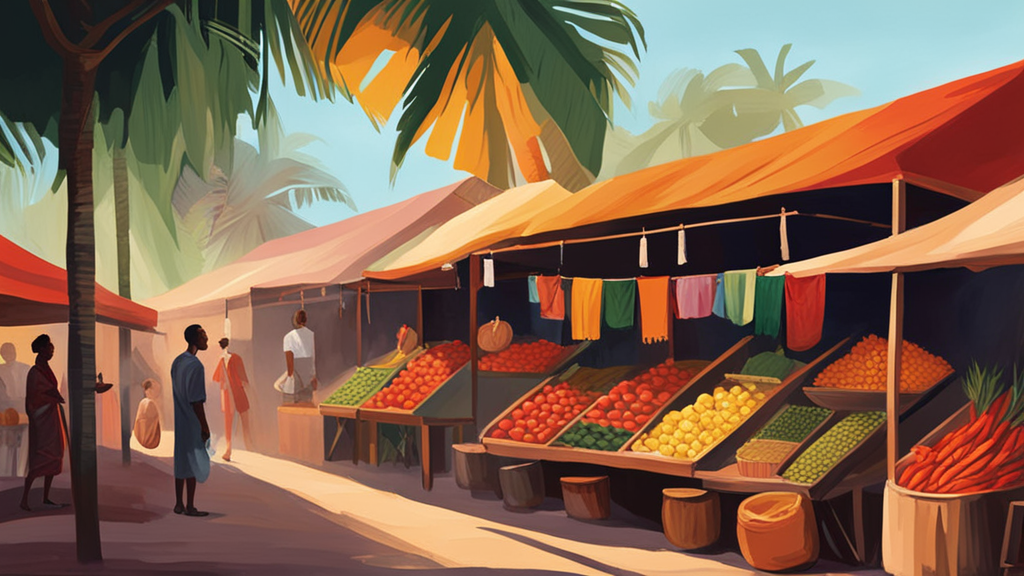
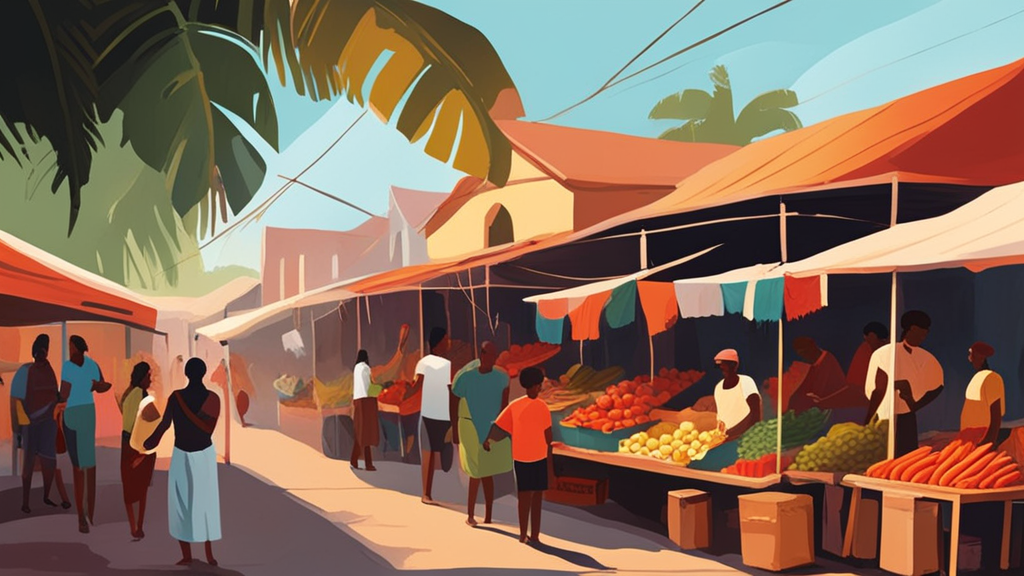
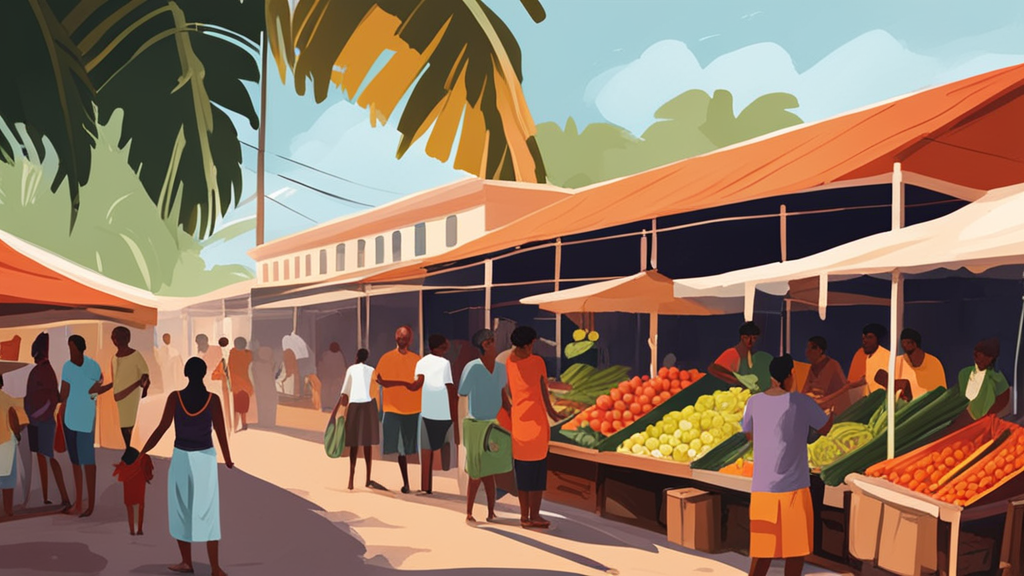
Local markets, such as the Central Market in Paramaribo, provide a sensory overload of colors, smells, and flavors. Visitors can find fresh produce, spices, and traditional snacks. For example, trying local dishes like pom or roti can be an exciting culinary adventure. Engaging with locals during these market visits can also lead to friendships and insider tips about living in the area.
Adapting to Local Customs and Language
While Dutch is the official language, many residents speak Sranan Tongo, a creole language that can be quite useful for expats. Familiarizing yourself with basic phrases can enhance daily interactions. Engaging in conversations with locals, even if you stumble over the language, often leads to laughter and camaraderie.
Understanding local customs is equally important. For instance, community gatherings, or “kondre,” play a significant role in Surinamese life. Expats are encouraged to join in these events, which can range from festivals to family celebrations. Participating in such activities not only helps with cultural integration but also fosters a sense of belonging.
Healthcare and Safety Considerations
Healthcare services in Paramaribo have improved over the years, with several clinics and hospitals available. However, expats often recommend having health insurance that covers medical evacuation for serious conditions, as some treatments may require travel to nearby countries. Routine check-ups and medications are generally available, but it’s wise to bring a supply of any essential prescription medications.
Safety is a priority for many expats, and while Paramaribo is relatively safe, it’s advisable to take common-sense precautions. Avoiding poorly lit areas at night and staying aware of your surroundings can help mitigate risks. Additionally, expats often find that forming a community with fellow expatriates helps enhance safety and provide support.
What Expats Should Know
Here are some practical tips for those considering a move to Suriname:
- Learn the Language: While many people speak English, especially in the capital, learning Sranan Tongo can enhance your experience and help in daily interactions.
- Transportation: Public transportation is available, but many expats prefer to use taxis or rent a car. Ensure you understand local driving rules, as they may differ from what you are used to.
- Internet Access: Internet connectivity can vary. While many cafes and coworking spaces offer Wi-Fi, having a mobile data plan can be useful for reliable access.
- Explore Nature: Suriname is home to breathtaking rainforests and wildlife. Take advantage of local tours to explore the natural beauty surrounding Paramaribo.
- Engage with the Community: Building relationships with locals can enrich your experience. Attend community events and try local eateries to immerse yourself in the culture.
Conclusion
Living in Suriname offers a unique blend of cultural richness, affordability, and natural beauty. Expats can expect a welcoming community, diverse experiences, and an enviable lifestyle that contrasts sharply with the hustle and bustle of Western cities. By embracing local customs, learning the language, and engaging with the community, expats can enjoy a fulfilling life in this tropical paradise. Whether you’re a digital nomad or relocating with family, Suriname presents a compelling choice for your next adventure.
AI-Generated Content: This article was created with AI assistance and may contain inaccuracies. Please verify important information with official sources.
Exchange rate used in this article: 1 USD = 16.00 SRD, 1 EUR = 17.05 SRD (rate as of 2026-07-27, source: Centrale Bank van Suriname).
Last updated: September 2026