
This guide was synthesized using the latest legislative data and verified by our editorial board. Laws are subject to change; always consult official sources for final confirmation.
For expatriates in Suriname, understanding the medical landscape is crucial, especially concerning specialist medical care and medical evacuation services. This guide will explore the available healthcare options within the country and provide actionable advice for navigating emergencies and accessing necessary care.
Healthcare System Overview in Suriname
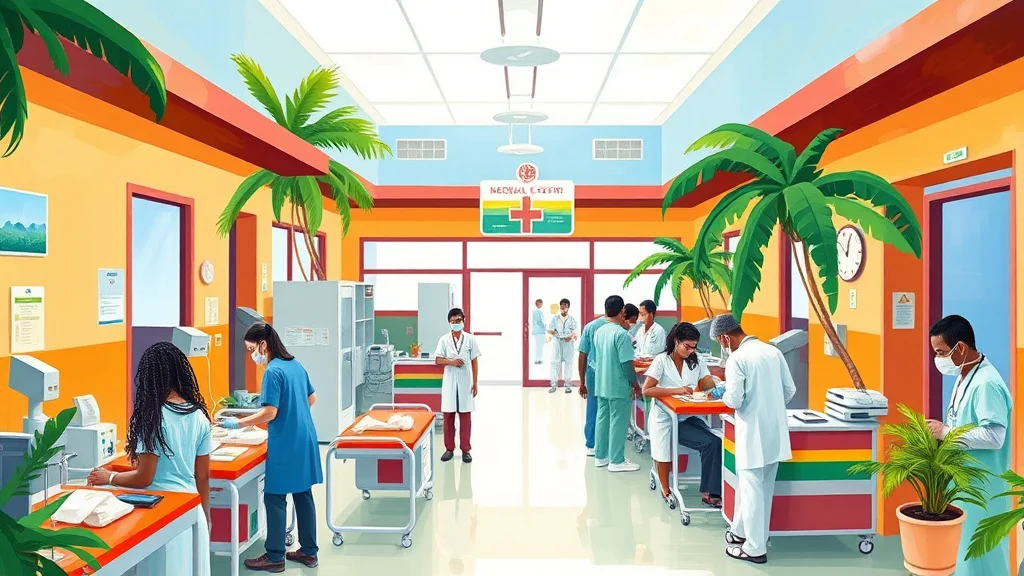
Suriname's healthcare system is a mix of public and private services. The public healthcare sector is managed by the Ministry of Health and includes several hospitals and clinics, predominantly found in the capital, Paramaribo. While basic healthcare services are available, the quality can vary significantly. Many expatriates opt for private healthcare facilities, which typically offer better services and shorter wait times.
Private hospitals in Paramaribo, such as the Academic Hospital and the Sint Vincentius Hospital, generally have more advanced equipment and a higher standard of care. However, it is advisable to familiarize yourself with the specific services offered, as not all specializations may be available locally. Regular check-ups and basic medical needs can typically be addressed in these facilities, but for serious conditions requiring specialized care, medical evacuation may be necessary.
Specialist Medical Care: What to Expect
Accessing specialist medical care in Suriname can require some additional planning. Common medical specialties available include general surgery, pediatrics, and obstetrics. However, for more complex conditions such as oncology or advanced cardiac care, expatriates often seek treatment outside of Suriname.
For example, if an expatriate needs specialist treatment for a chronic illness, they might need to travel to neighboring countries like Trinidad and Tobago or even further to the United States or Europe. In these cases, establishing a relationship with a local general practitioner can be beneficial, as they can provide referrals and assist in coordinating more extensive care. Understanding the local healthcare landscape can help expedite this process.
Medical Evacuation: When and How
In emergencies, medical evacuation can be a lifesaving option. Evacuations are typically necessary when patients require treatments not available in Suriname or when immediate access to advanced medical facilities is essential. For instance, expatriates experiencing a severe health crisis such as a heart attack or stroke may need to be transported to a facility equipped to handle such emergencies.
Air ambulance services, such as those offered by REVA, provide a critical link to advanced medical care. REVA’s air ambulances are equipped with state-of-the-art medical technology and staffed by trained medical professionals. These services operate 24/7 and can facilitate both emergency evacuations from Suriname and patient transfers to specialized facilities abroad. It is advisable to have emergency contact numbers readily available and to discuss medical evacuation plans with your healthcare provider.
Costs and Insurance Considerations
Healthcare costs in Suriname can vary widely. While basic consultations in public facilities may be affordable, private healthcare can be significantly more expensive, especially for specialist services. For expatriates used to insurance coverage in their home countries, understanding how their policies apply in Suriname is crucial. Many international health insurance plans will cover medical evacuations, so verifying with your provider about the extent of coverage is necessary.
For medical evacuation, the costs can be substantial, often ranging into the thousands of USD depending on the destination and the level of care required during transport. Thus, having a reliable insurance plan that covers such emergencies is essential for expatriates living in Suriname.
Practical Tips for Expatriates
1. **Establish a Local Network**: Build relationships with local healthcare providers. This can help you navigate the system more effectively and ensure you get timely referrals to specialists when needed.
2. **Keep Emergency Contacts Handy**: Maintain a list of local hospitals, air ambulance services, and emergency contacts. This list should include your primary healthcare provider and any specialists you've been referred to.
3. **Understand Insurance Terms**: Review your health insurance policy to clarify what is covered, including medical evacuations and specialist consultations. Some policies may require pre-authorization for procedures.
4. **Prepare for Language Barriers**: While many healthcare professionals in Suriname speak English, not all do. Having a bilingual friend or a translator service can ease communication in urgent situations.
5. **Stay Informed About Local Healthcare**: Follow local health advisories and familiarize yourself with common health issues in Suriname, such as tropical diseases. Staying informed can help you take preventative measures.
Cultural Nuances and Adaptation
Understanding cultural nuances can improve your experience with healthcare in Suriname. The healthcare approach may differ from what expatriates are accustomed to. For example, the emphasis on family involvement in care decisions is strong in Surinamese culture. Being respectful and inclusive of family members when discussing health matters can foster better communication with local healthcare providers.
Additionally, patience is often required, as processes may take longer than in Western healthcare systems. Expatriates should prepare for longer wait times in public facilities, and scheduling appointments in advance can help mitigate this issue.
Conclusion
For expatriates in Suriname, understanding the medical landscape, from specialist care to medical evacuation, is essential for ensuring health and safety. Establishing local healthcare connections, preparing for potential emergencies, and understanding insurance coverage can significantly ease the challenges of accessing medical care. By being proactive and informed, expatriates can navigate the healthcare system effectively, ensuring they receive the best possible care in times of need.
AI-Generated Content: This article was created with AI assistance and may contain inaccuracies. Please verify important information with official sources.
Last updated: July 2026