This guide was synthesized using the latest legislative data and verified by our editorial board. Laws are subject to change; always consult official sources for final confirmation.
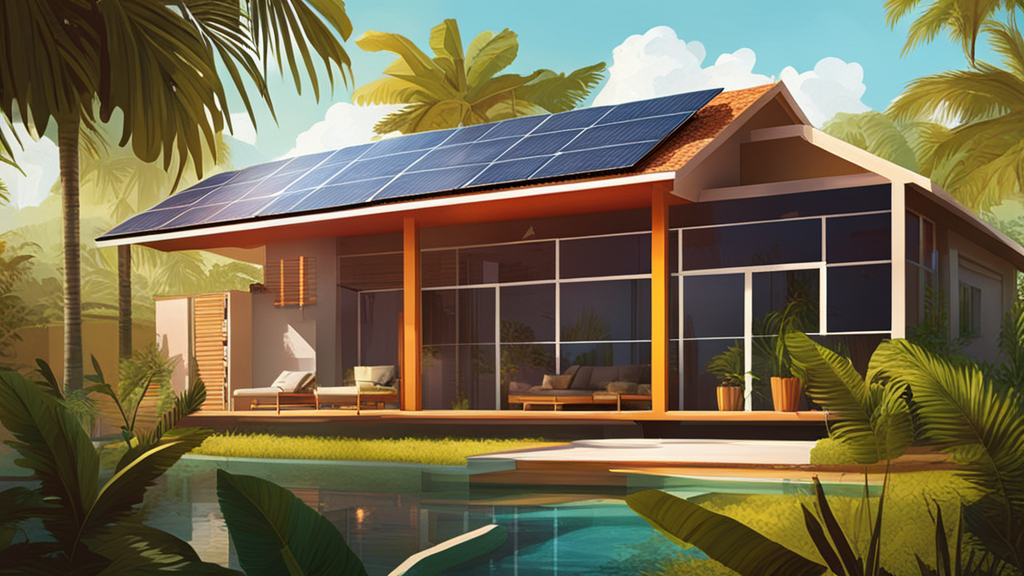
Suriname's tropical climate makes it an ideal location for solar energy systems, particularly for expatriates seeking sustainable energy solutions. As an expat, understanding the installation and benefits of solar energy systems with battery inverters can significantly reduce your electricity costs and ensure a reliable power supply. This article outlines the practical steps for installing a solar energy system in your home while considering the unique considerations of living in Suriname.
Understanding Solar Energy Systems in Suriname
Solar energy systems harness sunlight to generate electricity, which is particularly beneficial in Suriname, where the sun shines brightly throughout the year. The typical solar energy system consists of solar panels, an inverter, and batteries for energy storage. The inverter converts the direct current (DC) produced by the solar panels into alternating current (AC), which is used in homes. Battery storage systems allow you to store excess energy for use during cloudy days or at night, ensuring a consistent power supply.
Expats will find it easier to adapt their electrical appliances and systems in Suriname. Homes in Suriname typically rely on air conditioning due to the warm climate, making a solar energy system with battery storage an attractive option to offset these energy costs.
Components of a Solar Energy System
Solar Panels
The first step in setting up a solar energy system is selecting the right solar panels. Panels are available in various types, including monocrystalline and polycrystalline. Monocrystalline panels are typically more efficient and take up less space, making them ideal for residential installations in areas where roof space is limited. Conversely, polycrystalline panels are generally less expensive but may require more space for installation.
When choosing solar panels, consider your household's energy consumption. Energy consumption can vary widely depending on the number of air conditioning units, appliances, and overall usage. Understanding your specific needs will help you determine how many panels you need to install for optimal performance.
Battery Inverters
The inverter is a critical component of your solar energy system, particularly in systems with battery storage. Hybrid inverters can manage both solar energy generation and battery storage, ensuring that you can use solar energy when it’s available and rely on stored energy when it’s not. These inverters typically allow for grid-tied or off-grid configurations, providing flexibility depending on your energy needs.
When selecting a battery inverter, consider models that are known for reliability and efficiency. Many expats have found success with hybrid inverters that can handle the dual function of managing solar energy and battery storage. Consult with local suppliers to find options available in Suriname that meet these criteria.
Installation Process
The installation of a solar energy system in Suriname can be a straightforward process if you follow a structured approach. It’s advisable to hire local professionals, as they will understand the local regulations and climate conditions better.
The installation process typically involves the following steps:
- Site Assessment: A professional installer will evaluate your roof's orientation, shading, and structural integrity to determine the most efficient placement for the solar panels.
- Permitting: Depending on local regulations, you may need to obtain permits before installation. Working with local professionals can help streamline this process.
- Installation: The panels, inverter, and battery system will be installed, ensuring that all connections are secure and compliant with local electrical codes.
- Inspection: After installation, an inspection may be required to verify that the system meets safety and performance standards.
- Activation: Once approved, your system will be activated, allowing you to begin generating solar energy.
Costs and Financial Considerations
Installing a solar energy system with a battery inverter can involve substantial upfront costs. Generally, the total cost for a residential solar energy system in Suriname can vary widely depending on the size and type of system you choose. For instance, a small system suitable for a typical home might have a cost that can be considered reasonable based on local market conditions.
Consider the long-term savings on electricity bills when evaluating these costs. A well-installed solar energy system can save homeowners thousands of dollars over its lifespan. Additionally, some local governments or organizations may offer incentives or rebates for solar energy installations. As of our last update, it's advisable to check with local authorities or solar energy associations for any available programs.
Practical Tips for Expats
As an expatriate, there are several considerations to keep in mind when installing a solar energy system in Suriname:
- Research Local Suppliers: Look for local suppliers and installers who specialize in solar energy systems. Engaging with expat communities can provide recommendations and insights into reliable service providers.
- Network with Other Expats: Join expat forums or social media groups to connect with others who have installed solar systems. Their experiences can guide you in making informed decisions.
- Understand Local Regulations: Familiarize yourself with local regulations regarding solar energy installations. Compliance is crucial for both legal and safety reasons.
- Consider Maintenance: Regular maintenance is essential to ensure the longevity of your solar energy system. Understand what maintenance is required and how to arrange for it with your installer.
Conclusion
Installing a solar energy system with a battery inverter in your Surinamese home offers a sustainable solution to energy needs while providing significant savings on electricity costs. By understanding the components, installation process, and practical considerations, expatriates can make informed decisions that align with their lifestyle in this vibrant tropical country. Embrace this opportunity to harness the power of the sun, reducing your carbon footprint and enjoying the benefits of renewable energy.
AI-Generated Content: This article was created with AI assistance and may contain inaccuracies. Please verify important information with official sources.
Primary Sources
Last updated: September 2026