This guide was synthesized using the latest legislative data and verified by our editorial board. Laws are subject to change; always consult official sources for final confirmation.
As an expatriate in Suriname, understanding the local recycling and waste disposal practices is essential for sustainable living. This guide offers practical insights and tips to help you navigate the recycling landscape, making it easier to contribute to a cleaner environment while living in this vibrant South American country.
Understanding Waste Management in Suriname
Suriname faces significant challenges in waste management, with a growing population and increasing waste production. The country generates approximately 249 tonnes of household waste daily, which often exceeds the capacity of its waste management systems. The local government is responsible for waste management, but as of our last update, the infrastructure is still developing. This situation presents both challenges and opportunities for expats who wish to engage in responsible waste disposal and recycling practices.
The Current Waste Management Landscape
In Paramaribo, the capital city, various initiatives are in place to improve waste management, including efforts by local organizations and the government. However, there is no comprehensive, formal waste management system. As a result, many residents and expats alike rely on informal practices when it comes to waste disposal. It’s essential to familiarize yourself with these practices to ensure you’re doing your part in maintaining a clean environment.
Types of Waste Generated
In Suriname, waste is typically categorized into several types: organic waste, recyclable materials, and general waste. Organic waste consists of food scraps and garden waste, while recyclable materials include plastics, metals, paper, and glass. General waste encompasses everything else that cannot be recycled. Understanding these categories will help you segregate your waste effectively, which is crucial in a country where the recycling infrastructure is still evolving.
Recycling Practices in Suriname
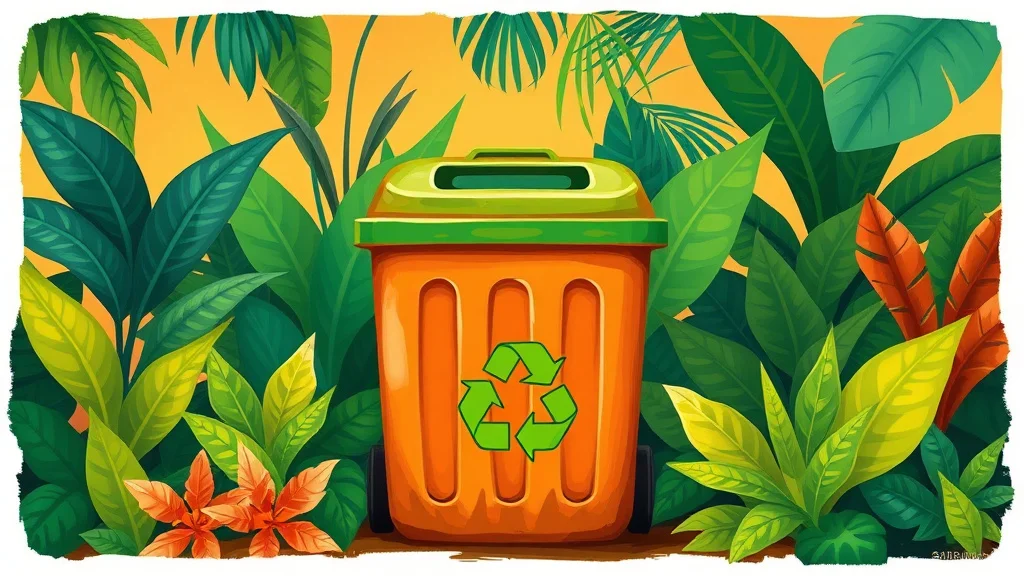
Recycling in Suriname is gaining traction, thanks in part to initiatives led by both governmental and non-governmental organizations. TotalEnergies has recently supported a project to expand plastic recycling bins across several districts, including Paramaribo, Commewijne, Coronie, and Nickerie. This initiative aims to promote proper waste separation and recycling practices, making it easier for residents to recycle.
How to Recycle Effectively
To recycle effectively in Suriname, follow these steps:
- Know the Materials: Familiarize yourself with what can and cannot be recycled. Common recyclable materials include PET plastic bottles, aluminum cans, paper waste, and cardboard. Make sure to clean and dry these items before placing them in recycling bins.
- Participate in Local Initiatives: Engage with local organizations focused on recycling. Community clean-up events and educational workshops are often organized, providing an excellent opportunity to learn about proper waste disposal and recycling.
- Use Recycling Bins: Keep an eye out for the newly installed recycling bins in your area. These bins are typically marked for specific materials, making it easier to dispose of recyclables correctly.
Common Recycling Challenges
Despite the efforts to improve recycling, there are challenges. One significant issue is the lack of public awareness regarding the importance of recycling. Many locals may not fully understand how to separate waste or the benefits of recycling. As an expat, you can help bridge this gap by sharing knowledge with your neighbors and participating in community discussions about recycling.
Waste Disposal Guidelines
If recycling is not an option, proper disposal of waste is crucial. Here are some guidelines for waste disposal in Suriname:
Household Waste Disposal
Household waste should be placed in securely closed garbage bags to avoid attracting pests. In Paramaribo, waste collection is typically organized by the local government, but specific schedules may vary based on your neighborhood. Check with your local municipality for garbage collection days and ensure that your waste is out for collection by the designated time.
Disposing of Hazardous Waste
Hazardous materials, such as batteries, electronics, and chemicals, require special handling. Do not dispose of these items with regular household waste. Instead, look for designated collection points or events organized by local authorities where hazardous waste can be safely disposed of. Participating in these events is vital for protecting both the environment and public health.
Practical Tips for Expats
As a new resident in Suriname, adopting sustainable waste disposal practices can be a rewarding experience. Here are some insider tips to help you acclimate:
- Get Involved: Join local expat groups or forums where sustainability practices are discussed. Networking with others can provide valuable insights and foster a sense of community.
- Educate Yourself: Stay informed about local regulations and initiatives regarding waste management. Understanding the local context will empower you to make better decisions regarding your waste.
- Lead by Example: Set an example for your neighbors by consistently recycling and properly disposing of waste. Your actions may inspire others to follow suit.
Conclusion
Adapting to the waste disposal and recycling practices in Suriname can initially seem daunting, but it is an integral part of living sustainably in this beautiful country. By understanding the local waste management landscape, actively participating in recycling initiatives, and following disposal guidelines, you can contribute to a cleaner environment. Embrace the local culture by sharing your knowledge and experiences with fellow residents, and together, you can make a significant impact on Suriname's ecological footprint.
AI-Generated Content: This article was created with AI assistance and may contain inaccuracies. Please verify important information with official sources.
Last updated: July 2026