This guide was synthesized using the latest legislative data and verified by our editorial board. Laws are subject to change; always consult official sources for final confirmation.
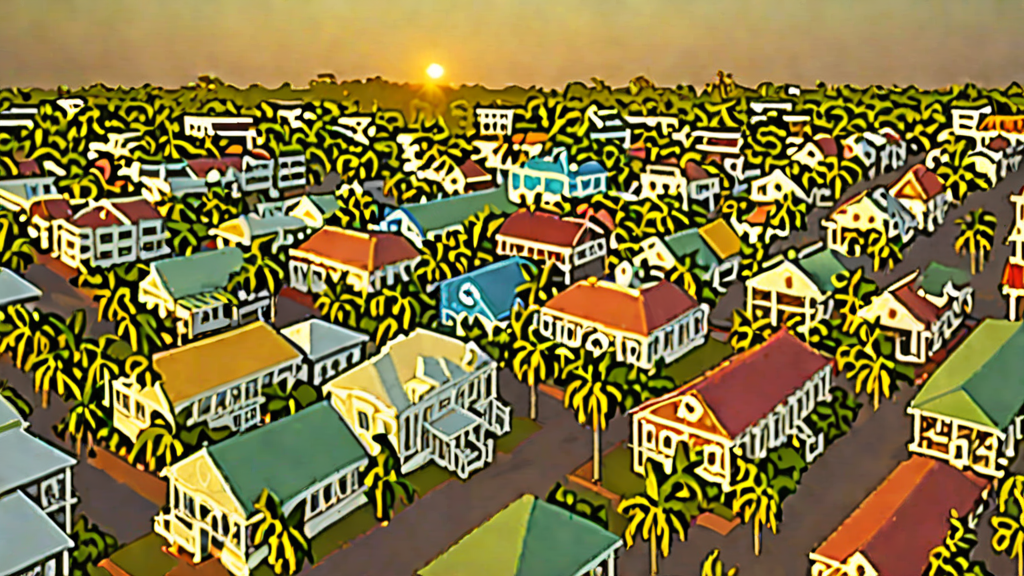
The Wanica District is a vibrant area with a mix of urban life and tropical nature. It offers expats and families an attractive living environment with diverse amenities, cultural experiences, and a favorable climate.
The Wanica District is a vibrant area that offers a unique blend of urban life and tropical surroundings. This guide provides international professionals, digital nomads, and families with essential insights into living in Wanica, from transportation options to local culture and amenities. Whether you are considering relocation or are already residing in the district, this guide will help you navigate your new environment.
Overview of Wanica District
Wanica is one of the most populous districts in Suriname and serves as a suburban hub connecting the coastal areas to the interior. The capital of Wanica, Lelydorp, is the second-largest city in Suriname and acts as a central point for shopping, dining, and daily activities. Many expats find Wanica appealing due to its proximity to Paramaribo while enjoying a slightly quieter lifestyle.
In terms of geography, Wanica is characterized by its flat terrain and proximity to the Suriname River. This river not only enhances the scenic beauty of the area but also serves as a vital transportation route. The district is also a melting pot of cultures, reflecting Suriname's diverse population, which includes influences from Javanese, Indian, African, and Indigenous communities.
- Wanica is one of the most populated districts in Suriname, with Lelydorp as its capital.
- The district has a tropical climate with temperatures ranging from 27°C to 32°C.
- Transportation is easy with minibuses, but many expats choose to drive.
- There are various local markets, restaurants, and recreational areas available.
- The education system offers both public and private schools, with free education up to 12 years.
- Cultural events and festivals can be found throughout the year in Wanica.
Climate and Seasons
Wanica experiences a tropical climate with consistent temperatures ranging from 27°C to 32°C (80°F to 90°F) throughout the year. The district does not have a winter season, making it an ideal location for those who prefer warm weather. However, it is essential to note the distinct wet and dry seasons. The rainy season typically occurs during certain months, while the dry season offers a more comfortable outdoor experience, making it perfect for exploring local attractions and outdoor activities.
During the rainy season, heavy downpours can occur, so being prepared with waterproof gear is advisable. The dry season offers a more comfortable outdoor experience, making it perfect for exploring local attractions and outdoor activities.
Transportation and Accessibility
Getting around Wanica and the greater Paramaribo area is relatively straightforward. The main roads are accessible, although many are unpaved. Most expats opt to drive, as the public transport system is limited. In Wanica, you will find several mini-buses offering affordable transportation, but they may not always adhere to strict schedules.
For those flying into Suriname, the Johan Adolf Pengel International Airport (PBM) is located about 45 km south of Paramaribo. This airport serves as the primary gateway for international arrivals and departures. The journey from the airport to Wanica may vary depending on traffic conditions.
Living in Wanica
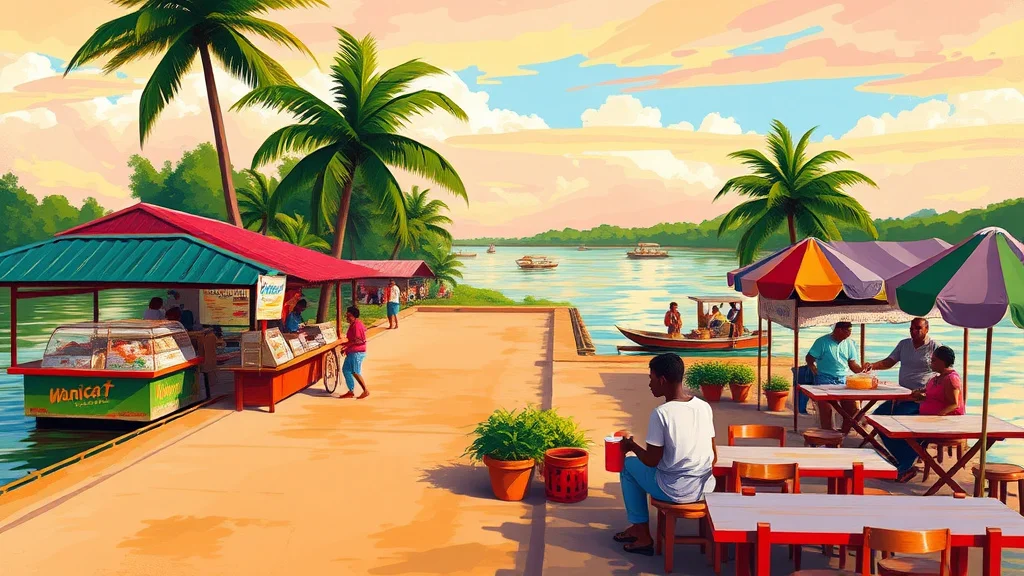
Life in Wanica is vibrant and full of opportunities for social interaction. The district has several local markets, restaurants, and recreational areas. Lelydorp, as the administrative center, offers a variety of amenities, including supermarkets, shops, and dining options that cater to different tastes. You can find local eateries serving traditional Surinamese dishes, as well as food stands offering quick bites for busy days.
For families, the educational system is robust, with both public and private schools available. Public education is free until the age of 12, and many private institutions offer English-language instruction. The adult literacy rate in Suriname is just under 90%, which speaks to the country's commitment to education.
Cultural Experiences and Activities
Wanica is rich in cultural experiences that reflect the diverse backgrounds of its residents. The district hosts various events throughout the year, showcasing music, dance, and food from different cultures. Festivals often take place near the Suriname River, where locals gather to celebrate and enjoy the vibrant atmosphere.
Outdoor activities are abundant, with options such as visiting local riverside areas known for their lively atmosphere on weekends. Here, you can relax by the river, enjoy local food, and take in the natural beauty of the surroundings. Various wellness spots are also available for relaxation and rejuvenation.
What Expats Should Know
As you transition to life in Wanica, consider these practical tips to make your experience smoother:
- Language: While Dutch is the official language, English is widely spoken in expat communities, so you will have no trouble communicating.
- Healthcare: Access to healthcare is reasonable, with several hospitals and clinics available in Paramaribo. It’s advisable to have health insurance that covers international medical care.
- Safety: Wanica is generally safe, but it's important to remain vigilant, especially at night. Being aware of your surroundings will enhance your safety.
- Local Customs: Embrace the local culture by participating in community events and trying traditional foods. Engaging with locals will enrich your experience.
Conclusion
Living in Wanica District offers a unique experience filled with cultural richness, community spirit, and accessibility to both urban and natural environments. With its favorable climate, diverse amenities, and welcoming atmosphere, Wanica is an excellent choice for expats looking to settle in Suriname. By taking advantage of the local culture and resources, you can create a fulfilling life in this vibrant district.
AI-Generated Content: This article was created with AI assistance and may contain inaccuracies. Please verify important information with official sources.
Last updated: September 2026