This guide was synthesized using the latest legislative data and verified by our editorial board. Laws are subject to change; always consult official sources for final confirmation.
Suriname, known for its rich cultural tapestry and diverse culinary influences, offers a surprisingly vibrant vegetarian food scene. This guide provides an in-depth look at the best vegetarian options available, from traditional dishes to modern adaptations, ensuring that expats can enjoy the flavors of Suriname while adhering to a plant-based diet.
Understanding Surinamese Cuisine
Surinamese cuisine is a melting pot of flavors, influenced by various cultures including Javanese, Hindustani, Creole, Chinese, and Indigenous peoples. This diversity creates a unique culinary landscape that caters to a range of dietary preferences, including vegetarianism. Traditional dishes often incorporate rice, legumes, and root vegetables, making it easier to find satisfying vegetarian options.
Vegetarianism is increasingly embraced in Suriname, particularly among younger generations who are more health-conscious and environmentally aware. Many restaurants are now offering dedicated vegetarian and vegan menus, making it easier for expats to find suitable options.
Popular Vegetarian Dishes
1. Vegan Pom
Traditionally a meat dish, Pom can easily be adapted into a vegan version. The base is made from pomtayer (also known as malanga), which is grated and mixed with spices, citrus juice, and a delicious filling. The filling can include vegan chicken alternatives or a mix of vegetables. This dish is often served during festive occasions, making it a comforting choice for many.
To prepare a vegan Pom, you’ll need ingredients such as grated pomtayer, celery leaves, sugar, lemon juice, and your choice of filling. Many local markets will stock pomtayer, especially in Paramaribo, where you can find fresh produce. Expect to pay around 10-15 SRD (approximately 1-2 USD) for a serving at local eateries.
2. Saoto Soup
Saoto soup is a Javanese dish that can be made vegetarian by omitting the chicken and instead using a variety of vegetables such as carrots, potatoes, and green beans. The soup is flavored with spices like lemongrass and ginger, creating a fragrant and hearty meal. In Suriname, this dish is often served with rice and can be found in many Javanese restaurants.
When ordering Saoto soup, check if the restaurant offers a vegetarian version or if they can customize it for you. Typically, a bowl will cost around 25-30 SRD (approximately 3-4 USD) and is perfect for a light lunch or dinner.
3. Pinda Soep (Peanut Soup)
Pinda soep is a rich and creamy peanut soup that is naturally vegetarian. The soup is made with ground peanuts, vegetables, and spices, resulting in a comforting dish that is both filling and flavorful. Commonly found in local restaurants, this dish reflects the Afrosurinamese influence on the cuisine.
For a vegetarian option, ensure that the soup does not contain any meat stock. A bowl of Pinda soep typically costs around 15-20 SRD (approximately 2-3 USD). Pair it with some bread for a hearty meal.
Where to Find Vegetarian Dishes
Local Restaurants and Cafés
Several local restaurants in Paramaribo have embraced vegetarian options. Look for cafés that specifically advertise vegetarian or vegan menus. Many of these establishments are run by families with roots in the diverse cultures of Suriname, providing authentic and home-cooked meals.
For instance, you can find vegetarian dishes at many Javanese eateries, where the focus is on rice and vegetable-based meals. It’s common to find mixed rice dishes that include a variety of vegetables, tofu, and tempeh, often served with spicy sambal or sauces. Expect to pay around 30-50 SRD (approximately 4-7 USD) for a satisfying plate.
Street Food Options
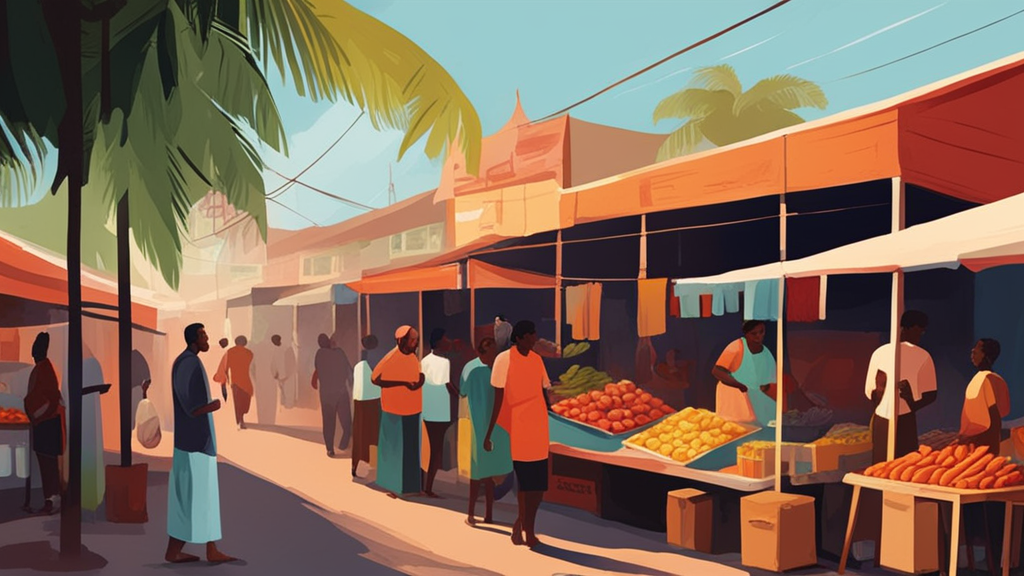
Street food in Suriname is another excellent avenue for finding vegetarian options. Look for vendors selling fried snacks, such as bakabana (fried plantain) or cassava chips, which are typically vegetarian. Some vendors also offer vegetarian roti, filled with curried vegetables or lentils. Roti is a flatbread that is often served with a side of sauces or dips, adding to its appeal.
Street food prices are generally affordable, with snacks costing around 5-15 SRD (approximately 0.70-2 USD). These options are perfect for a quick bite while exploring the vibrant streets of Paramaribo.
Finding Ingredients for Cooking at Home
Local Markets
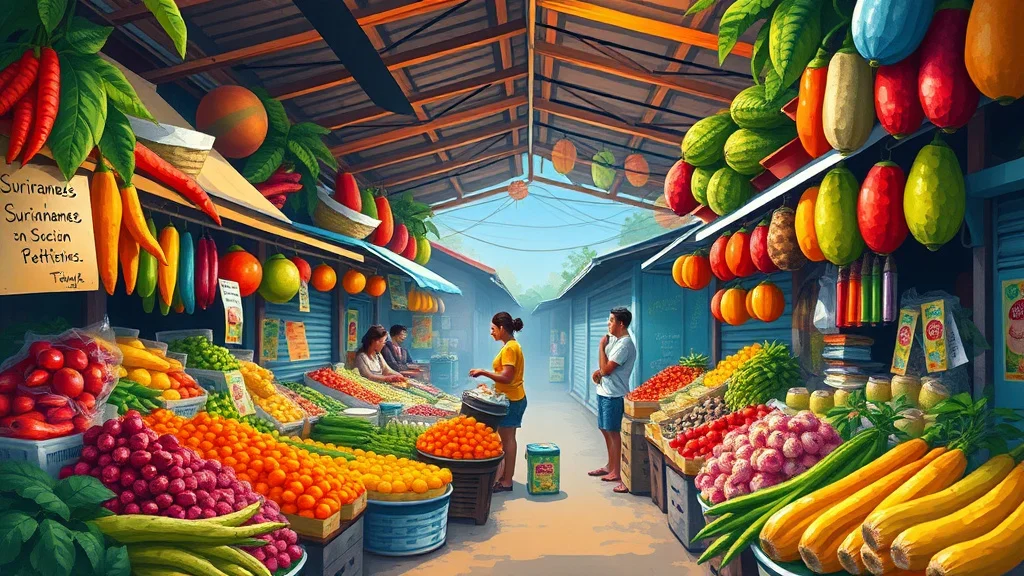
For expats looking to prepare their vegetarian meals at home, local markets are a treasure trove of fresh produce and ingredients. The Central Market in Paramaribo is particularly renowned for its variety of fruits, vegetables, and spices. You can find pomtayer, root vegetables, and a selection of tropical fruits like mangoes and papayas.
Expect to pay reasonable prices for fresh produce, typically around 5-10 SRD (approximately 0.70-1.50 USD) for a bunch of vegetables or a few pieces of fruit. Make sure to visit in the morning for the best selection and freshness.
International Grocery Stores
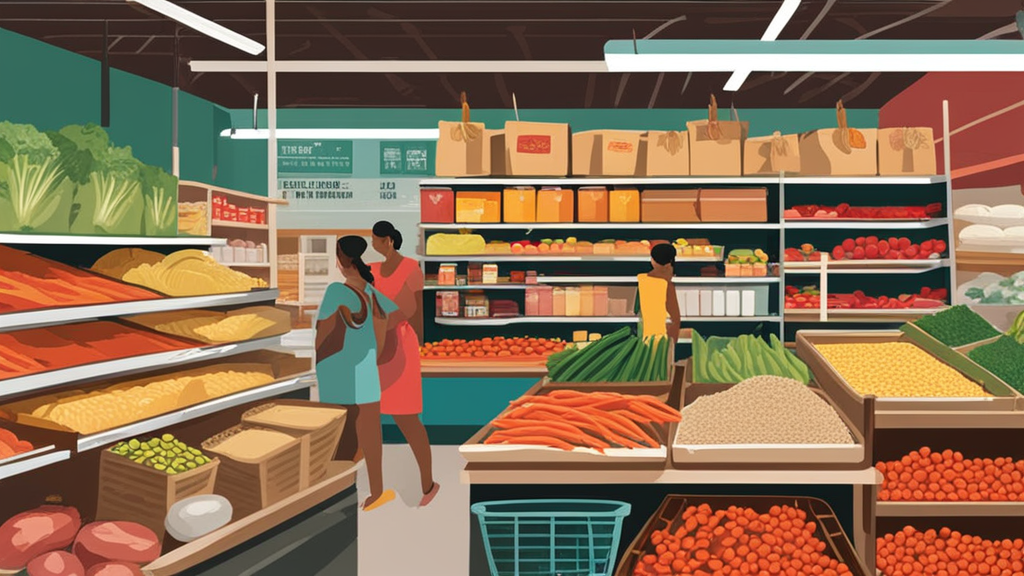
If you’re looking for specific international ingredients, there are several grocery stores in Paramaribo that stock products catering to expatriates. These stores often carry a range of vegetarian staples, including tofu, soy sauce, and specialty grains like quinoa. You may also find vegan snacks and plant-based dairy alternatives.
Prices at these stores can vary, but expect to pay a bit more than local markets due to import costs. However, the convenience and availability of familiar products make them worthwhile for many expats.
Practical Tips for Expats
Learn Local Words and Phrases
Familiarize yourself with local terms for vegetarian dishes and ingredients. Knowing how to ask for vegetarian options in Dutch or Sranan Tongo can enhance your dining experience and help you navigate menus more easily.
For example, understanding terms like “vegetarisch” (vegetarian) and “vegan” can be helpful in restaurants. Additionally, learning to ask about ingredients can ensure that your meals align with your dietary preferences.
Connect with the Expat Community
Engaging with the local expat community can provide valuable insights into the best vegetarian spots and hidden gems in Suriname. Many expats share their favorite local eateries and recipes, creating a supportive network where you can exchange tips and experiences. Look for social media groups or community events to connect with like-minded individuals.
Conclusion
Suriname's culinary landscape offers a delightful array of vegetarian options, influenced by its rich multicultural heritage. From hearty traditional dishes like vegan Pom and Saoto soup to vibrant street food, expats can find plenty of tasty meals to enjoy. By exploring local markets and connecting with the expat community, you can enhance your culinary experience in this tropical paradise. With a bit of curiosity and openness to new flavors, your vegetarian journey in Suriname can be both delicious and fulfilling.
AI-Generated Content: This article was created with AI assistance and may contain inaccuracies. Please verify important information with official sources.
Last updated: July 2026