This guide was synthesized using the latest legislative data and verified by our editorial board. Laws are subject to change; always consult official sources for final confirmation.
Embarking on a culinary adventure in Suriname is a delightful experience for newcomers. The country’s vibrant food scene reflects its rich multicultural heritage, blending influences from Javanese, Hindustani, Creole, Chinese, and Indigenous cuisines. This guide will introduce you to some must-try dishes, where to find them, and practical tips on navigating the local food landscape.
Understanding Surinamese Cuisine
Surinamese cuisine is a melting pot of flavors, showcasing the country’s diverse cultural history. With a tropical climate, Suriname benefits from an abundance of fresh ingredients, allowing for a variety of dishes that are both hearty and comforting. The most notable influences come from the Javanese, Hindustani, and Creole communities, each contributing unique flavors and cooking methods.
As you explore Surinamese food, you'll find that many dishes are served with rice or roti, a flatbread of Indian origin. The interplay of spices is a defining characteristic, with flavors ranging from sweet to savory, often enhanced by local ingredients like plantains, peanuts, and root vegetables.
Must-Try Surinamese Dishes
Roti
Roti is a staple dish in Suriname, typically served with a flavorful curry. This flatbread is soft and flaky, perfect for scooping up the accompanying curry, which can be made with chicken, lamb, or vegetables. A typical serving of roti might also include long green beans, potatoes, and hard-boiled eggs. Many locals recommend trying it at various eateries around Paramaribo, where portions are generous and prices are reasonable, typically starting around 20-30 SRD (approximately 2-4 USD).
Pom
Often considered a national dish, Pom is a baked casserole made from the pomtajer root, typically combined with chicken and citrus juice. The dish has Portuguese-Jewish roots and is a favorite at family gatherings and celebrations. The texture is creamy, and the flavors are tangy and aromatic. It's commonly found in local restaurants, and portions usually serve multiple people, making it a great option for sharing.
Moksi Alesi
This dish, meaning "mixed rice," is another traditional favorite. Moksi Alesi is a one-pot meal that consists of rice mixed with various salted meats, such as corned beef or chicken, along with vegetables like eggplant and long beans. It's hearty and filling and typically costs around 25-40 SRD (about 3-5 USD) for a serving. You can find this dish at several local eateries, especially those specializing in Creole cuisine.
Pinda Soep
Pinda Soep, or peanut soup, is a creamy and savory dish that showcases the influence of West African cuisine. It's often made with chicken and plantains, creating a delightful blend of flavors that is both sweet and savory. This soup is typically enjoyed as a starter or light meal and is available at various local restaurants and food stalls. Expect to pay around 15-25 SRD (approximately 2-3 USD) for a bowl.
Exploring Local Markets
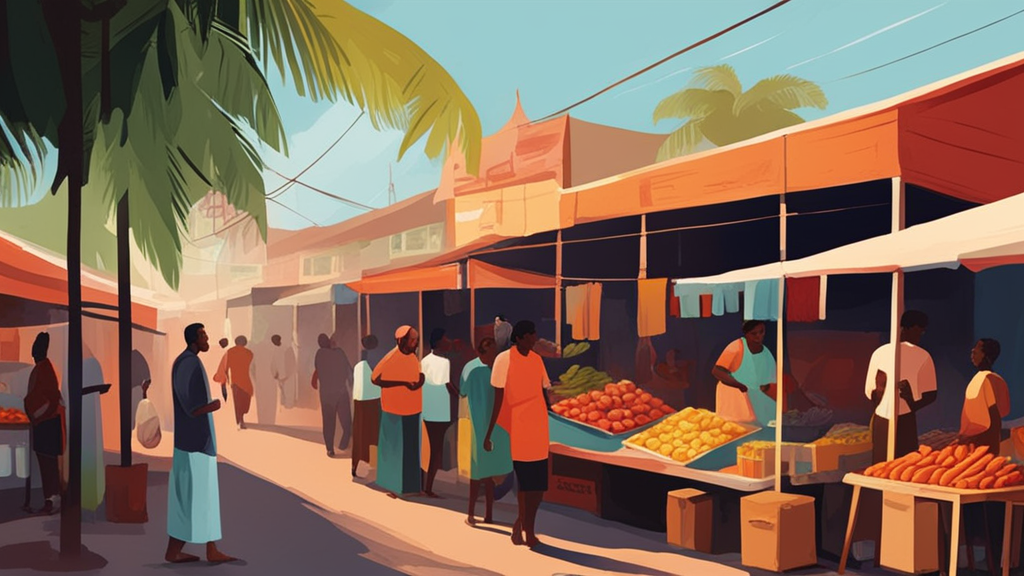
One of the best ways to immerse yourself in Surinamese cuisine is by visiting local markets. These vibrant spaces offer a wide range of fresh produce, spices, and ingredients used in traditional dishes. The Central Market in Paramaribo is a must-visit for newcomers, where you can find everything from tropical fruits to spices unique to Suriname.
At the market, you can also purchase local ingredients to try your hand at cooking Surinamese dishes at home. Look for ingredients like pomtajer, long beans, and fresh herbs. Prices are typically quite affordable, and vendors are often willing to share recipes or tips on how to prepare their products.
Dining Out: Where to Eat
Local Restaurants
Paramaribo is home to several restaurants where you can sample traditional Surinamese dishes. Many local eateries serve a mix of Javanese, Hindustani, and Creole cuisine, offering a broad spectrum of flavors. A few well-known spots include small family-run establishments that focus on authentic recipes, often passed down through generations.
When dining out, expect to find dishes like Saoto soup, which is a Javanese chicken soup, often served with fragrant rice and hard-boiled eggs. Another popular option is Heri Heri, an Afro-Surinamese dish made with root vegetables, plantains, and salted fish. Prices in these local restaurants typically range from 20-50 SRD (2-7 USD) per dish, depending on the complexity and ingredients used.
Street Food
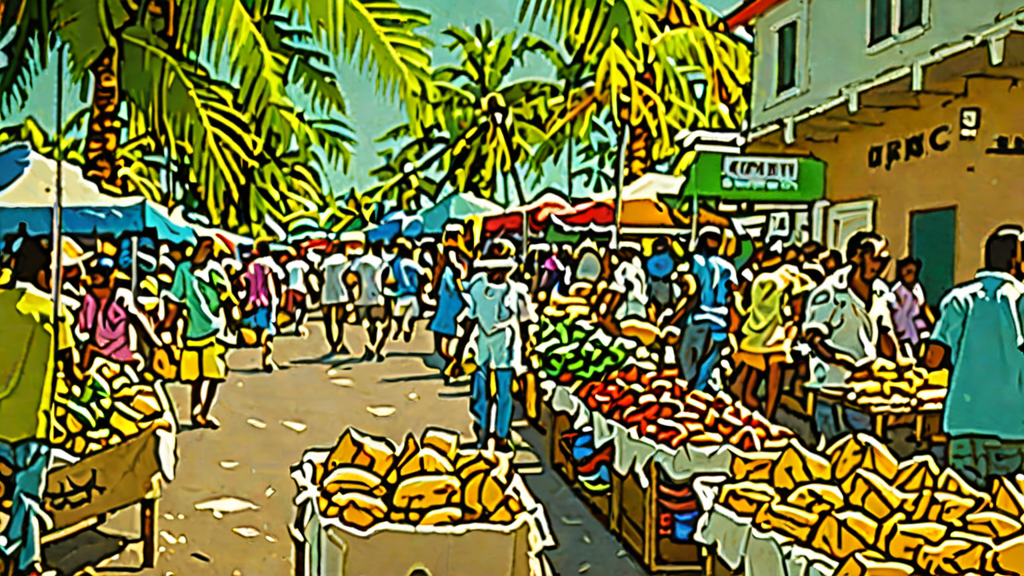
Street food is an integral part of the Surinamese culinary scene, offering an array of quick bites and snacks that are both delicious and affordable. Look for vendors selling Bakabana, which are deep-fried plantain slices often served with a spicy dipping sauce. Another popular street food is Bakkeljauw, which features salt cod prepared in a variety of ways, usually accompanied by rice or bread.
Street food prices are typically very reasonable, with most items costing between 5-15 SRD (about 1-2 USD). This makes it an excellent option for trying different flavors without breaking the bank.
Practical Tips: What Expats Should Know
As a newcomer, navigating the local food scene can be overwhelming. Here are some practical tips to enhance your experience:
- Learn Local Terms: Familiarize yourself with basic Surinamese terms for food items and dishes. This will not only enrich your dining experience but also help you communicate better with vendors and restaurant staff.
- Try Family-Run Eateries: These small, family-owned restaurants often serve the most authentic dishes. Don't hesitate to ask locals for recommendations on where to eat.
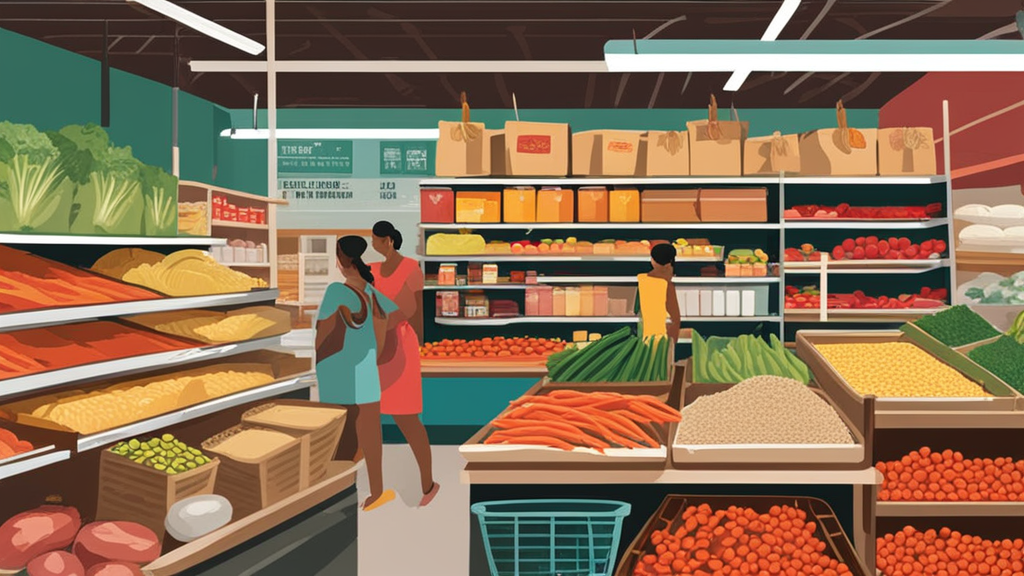
- Explore Grocery Stores: If you enjoy cooking, look for local grocery stores that stock both international and local ingredients. Make sure to check out the spice aisle for some unique Surinamese spices.
- Participate in Food Festivals: Keep an eye out for local food festivals and events, which offer a fantastic opportunity to sample a wide variety of dishes and meet local chefs.
Conclusion
Surinamese cuisine is a vibrant reflection of the country’s diverse cultural heritage, offering newcomers a delightful array of flavors to explore. From iconic dishes like Roti and Pom to the bustling markets and street food stalls, there is much to discover. By immersing yourself in the local food scene, you will gain a deeper understanding of Surinamese culture and create lasting memories through shared meals and culinary adventures.
AI-Generated Content: This article was created with AI assistance and may contain inaccuracies. Please verify important information with official sources.
Last updated: September 2026