
This guide was synthesized using the latest legislative data and verified by our editorial board. Laws are subject to change; always consult official sources for final confirmation.
For expatriates living in Suriname, maintaining a balanced diet that includes sufficient protein can be a challenge, especially for those who prefer plant-based alternatives. This guide explores the rich variety of lentils, beans, and other protein-rich plants available locally. You'll learn where to find these ingredients, how to incorporate them into your meals, and the cultural significance of these foods in Surinamese cuisine.
Understanding Plant-Based Proteins
Plant-based proteins are essential for those looking to reduce their meat consumption or adopt a vegetarian or vegan lifestyle. In Suriname, lentils and beans are readily available and provide an excellent source of protein. Not only are they nutritious, but they are also versatile and can be used in a variety of traditional dishes.
Lentils contain about 9 grams of protein per 1/2 cup cooked, which translates to approximately 18 grams per cooked cup. Beans also provide a good source of protein and are packed with fiber, vitamins, and minerals, making them a valuable addition to any diet. Understanding how to incorporate these foods into your meals can help ensure you meet your nutritional needs in a tropical environment.
Popular Types of Lentils and Beans in Suriname
In Suriname, a variety of lentils and beans are available, each bringing unique flavors and textures to dishes. Here are some commonly used types:
- Red Lentils: Often used in soups and stews, red lentils cook quickly and break down easily, creating a thick consistency.
- Green Lentils: These hold their shape better than red lentils, making them ideal for salads and side dishes.
- Black Beans: A staple in various Caribbean and Latin American cuisines, black beans are rich in flavor and can be used in rice dishes or as a filling for tacos.
- Pinto Beans: Known for their creamy texture, pinto beans are often found in traditional Surinamese dishes, such as heri heri, which typically contains a mixture of root vegetables and fish.
Where to Find Lentils and Beans
Finding quality lentils and beans in Suriname is relatively easy, especially in urban areas like Paramaribo. Local markets often have a good selection, and larger grocery stores typically stock international brands as well. Here are some specific places to consider:
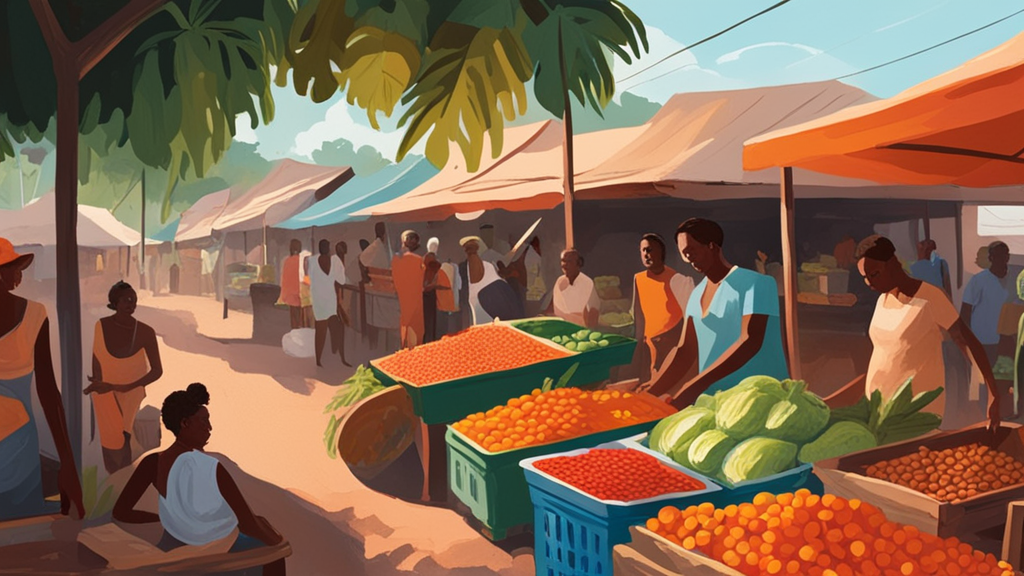
- Local Markets: Visiting a local market can be an adventure. You’ll find fresh produce along with dried beans and lentils sold in bulk. Prices are often lower than in grocery stores, and you can buy as much or as little as you need.
- Supermarkets: Larger supermarkets in Paramaribo usually have a dedicated section for dried legumes. Look for both local brands and imported options.
- Online Grocery Services: Many local grocery stores offer delivery services, allowing you to order lentils and beans online. This can be particularly convenient for busy expats.
Incorporating Lentils and Beans into Your Diet
Once you've sourced your lentils and beans, the next step is to incorporate them into your meals. Here are some practical ideas:
- Lentil Soup: A simple recipe involves sautéing onions, garlic, and carrots, then adding vegetable broth and red lentils. Cook until tender, and season with spices like cumin and coriander.
- Bean Salad: Combine black beans, diced bell peppers, onions, and corn with a lime vinaigrette for a refreshing salad. This dish works well as a side or a light main course.
- Stuffed Peppers: Mix cooked lentils or beans with rice, spices, and vegetables, then stuff into bell peppers and bake. This can be a filling and nutritious meal.
Traditional Surinamese Dishes Featuring Legumes
In addition to Western-style dishes, consider exploring how lentils and beans are used in traditional Surinamese cuisine. Here are a few examples:
- Pinda Soep: This is a creamy peanut soup that is a hearty and flavorful dish. It reflects the West African and Creole influences in Surinamese cooking.
- Heri Heri: This Afro-Surinamese dish typically contains a mixture of root vegetables, plantains, and salt fish, often enhanced with beans.
- Saoto Soup: A Javanese-Surinamese dish, saoto soup can be made heartier by adding lentils or beans for an extra protein boost.
Practical Tips for Expats
As an expatriate in Suriname, navigating the local food scene can be daunting. Here are some insider tips to help you make the most of plant-based proteins:
- Experiment with Local Flavors: Don’t hesitate to try new spices and herbs that are commonly used in Surinamese cuisine. Ingredients like turmeric, ginger, and fresh cilantro can elevate your bean and lentil dishes.
- Join Local Cooking Classes: Many local chefs offer cooking classes focusing on traditional Surinamese cuisine. This is an excellent way to learn how to prepare meals featuring lentils and beans while meeting fellow expats and locals.
- Network with Other Expats: Joining expat groups on social media or in person can provide valuable tips on where to find the best ingredients and share recipe ideas.
- Stay Open-Minded: Local cuisine may have flavors and preparations that are unfamiliar to you. Embrace the opportunity to explore and enjoy new dishes that incorporate lentils and beans.
Conclusion
Plant-based proteins like lentils and beans are not only nutritious but also a delicious way to experience the rich culinary culture of Suriname. With a variety of local options available, incorporating these ingredients into your diet can be both fulfilling and enjoyable. By exploring traditional dishes, sourcing fresh ingredients, and experimenting with flavors, you can maintain a healthy and exciting plant-based diet in your new home.
AI-Generated Content: This article was created with AI assistance and may contain inaccuracies. Please verify important information with official sources.
Primary Sources
Last updated: September 2026