This guide was synthesized using the latest legislative data and verified by our editorial board. Laws are subject to change; always consult official sources for final confirmation.
Surinamese cuisine is a vibrant reflection of the country's diverse cultures, blending influences from Javanese, Hindustani, Creole, Chinese, and Indigenous traditions. This guide offers a deep dive into traditional Surinamese food, highlighting iconic dishes, where to find them, and practical tips for expats navigating the culinary landscape in Suriname.
Understanding the Culinary Landscape of Suriname
Suriname’s food is a rich tapestry woven from its multicultural heritage. From the Javanese fried rice known as nasi goreng to the Creole pom, each dish tells a story of migration and adaptation. The typical meal often incorporates rice, beans, and a variety of meats or vegetables, creating a satisfying and hearty dining experience. The use of local ingredients like Madame Jeanette peppers adds a distinct flavor and heat that characterizes many Surinamese dishes.
Notably, the cooking methods often reflect the communal nature of Surinamese culture, with many meals prepared for sharing among family and friends. Traditional cooking can be found in homes, local food stalls, and restaurants, providing a genuine taste of the country’s culinary heritage.
Must-Try Traditional Dishes
1. Roti
Roti is a beloved flatbread of Indian origin, typically served with curried chicken or lamb, potatoes, and long green beans. This dish is not just a meal but an experience, as diners often use the soft, flaky roti to scoop up the rich curry, blending flavors in every bite. Roti can be found in numerous eateries throughout Paramaribo, often accompanied by a spicy tomato chutney.
2. Pom
Considered one of the national dishes, pom is a savory casserole made with ground pomtajer (taro root), chicken, and citrus juice. The dish is often baked until golden and is a staple at celebrations and family gatherings. Its slightly tangy flavor and comforting texture make it a must-try for anyone exploring Surinamese cuisine.
3. Moksi Alesi
Moksi alesi, meaning "mixed rice," showcases the fusion of various ingredients and cultures. This dish typically includes rice cooked with salted meats, fish, and a colorful array of vegetables, making it a hearty and satisfying option. It's commonly found in local restaurants and is a favorite for both locals and visitors.
4. Saoto Soup
This Javanese-inspired chicken soup is a flavorful blend of herbs and spices, often garnished with boiled eggs and served with rice. Saoto soup is perfect for those looking to experience the rich flavors of Indonesian influence in Suriname. Many local eateries serve this dish, especially during the cooler evenings.
The Influence of Javanese and Hindustani Cuisine
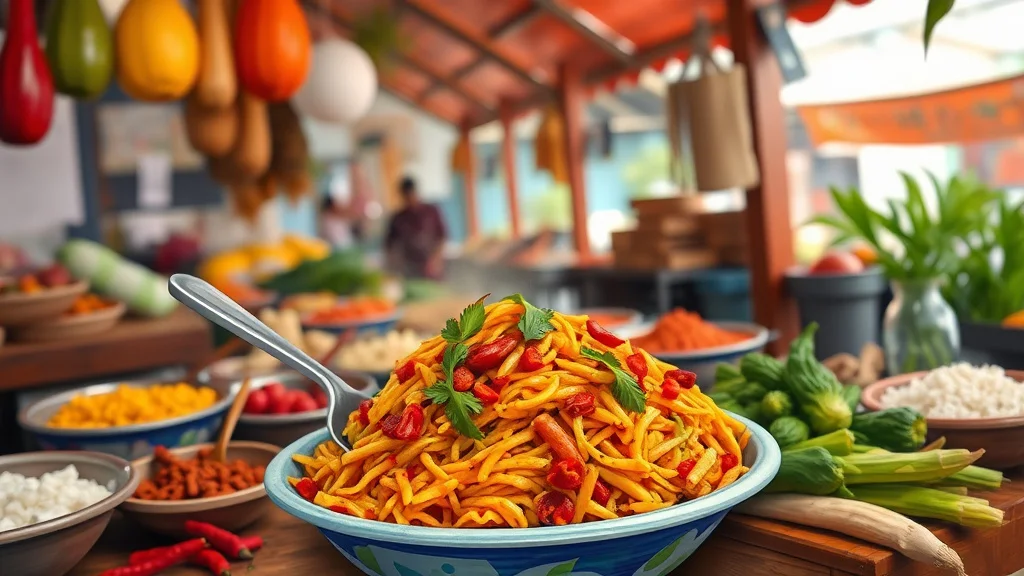
Much of Suriname's culinary diversity comes from the Javanese and Hindustani communities. Dishes like nasi goreng (fried rice) and bami (fried noodles) showcase the Indonesian influence, while roti and various curries reflect the Indian heritage. The use of spices such as cumin, coriander, and turmeric is common, often combined with fresh local ingredients to create unique flavors.
For expats seeking to recreate these dishes at home, ingredients can typically be found at local markets in Paramaribo, where diverse produce and spices are readily available. Many supermarkets stock international products as well, making it easier to prepare authentic meals.
Exploring Creole and Chinese-Surinamese Influences
Creole dishes, often characterized by their hearty and flavorful nature, include staples like bakkeljauw (salt cod) and pinda soep (peanut soup). These dishes often blend African, Indigenous, and European flavors, resulting in a unique culinary experience. Bakkeljauw is typically served with fried plantains and rice, representing the fusion of cultures that defines Surinamese cuisine.
Chinese-Surinamese cuisine, while distinct, also plays a role in the broader food landscape. Dishes like tjap tjoy (stir-fried mixed vegetables) and various noodle dishes are commonly enjoyed. These meals often combine local ingredients with traditional Chinese cooking techniques, showcasing the adaptability of Surinamese food.
Where to Find Traditional Surinamese Food
Paramaribo boasts a variety of restaurants and food stalls that offer authentic Surinamese dishes. Popular local eateries often feature a rotating menu of daily specials, allowing diners to experience different aspects of the cuisine. Look for places that have a bustling atmosphere, as they often serve the freshest meals.
Street food is also a great way to explore Surinamese flavors. Vendors selling fried plantains, bakbana (fried bananas), and other snacks provide a casual yet delicious way to sample local cuisine. Markets in Paramaribo are excellent spots for finding fresh ingredients and prepared foods to enjoy on the go.
Practical Tips for Expats
For expatriates in Suriname, embracing the local cuisine is a fantastic way to integrate and connect with the culture. Here are some insider tips:
- Explore local markets: Visit markets like the Central Market in Paramaribo for fresh produce, fish, and spices. This is where you'll find the best ingredients to recreate traditional dishes at home.
- Try street food: Don’t hesitate to try street vendors; they often serve some of the most authentic and flavorful meals, allowing you to taste the heart of Surinamese culinary culture.
- Learn local cooking techniques: Consider taking a cooking class to learn how to prepare traditional dishes, which can be a fun way to meet locals and discover new flavors.
- Ask for recommendations: Engage with locals and fellow expats to find hidden gems in the restaurant scene, as they can point you to the best spots for traditional dishes.
Conclusion
Surinamese cuisine is a delightful exploration of flavors influenced by the country’s diverse cultural heritage. From the warmth of roti to the comforting embrace of pom, each dish offers a unique insight into Suriname's history and traditions. For expats and food enthusiasts alike, indulging in traditional Surinamese food is an enriching experience that connects you to the local community. Embrace the flavors, explore the markets, and savor the stories behind each meal.
AI-Generated Content: This article was created with AI assistance and may contain inaccuracies. Please verify important information with official sources.
Last updated: July 2026