This guide was synthesized using the latest legislative data and verified by our editorial board. Laws are subject to change; always consult official sources for final confirmation.
The Upper Suriname River region is a hidden gem, teeming with rich cultural experiences and stunning natural beauty. This guide will provide you with essential information on how to reach the villages along the Upper Suriname River, including transportation options, travel tips, and what to expect during your journey.
Understanding the Location and Importance of the Upper Suriname River
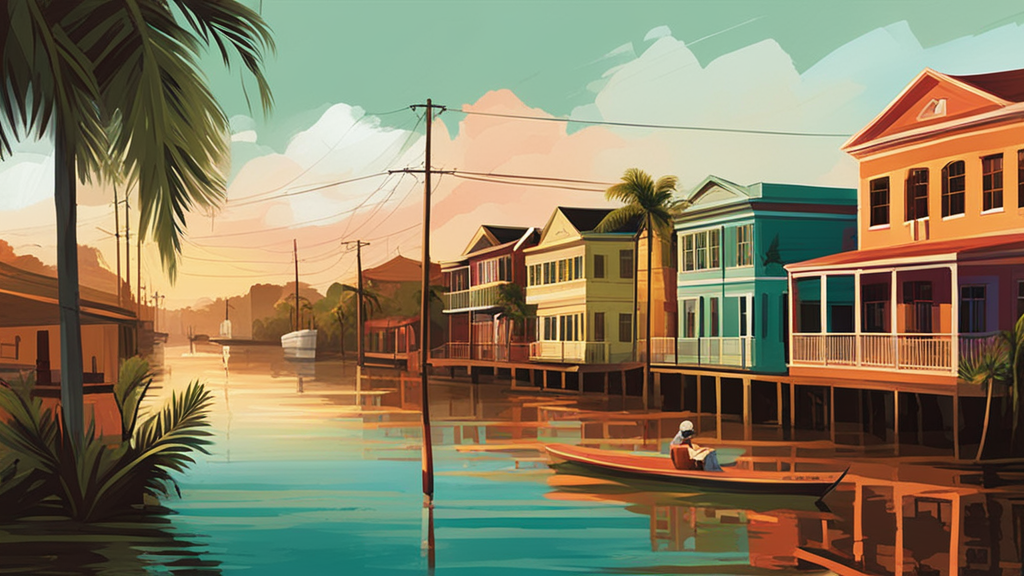
The Upper Suriname River is situated in the central part of Suriname, flowing through a picturesque landscape characterized by dense tropical rainforests and vibrant indigenous communities. The river serves as a vital transportation route, connecting various villages that are otherwise isolated. These villages, such as Atjoni, Kumalu, and Ping Pe, are known for their unique cultural heritage, traditional crafts, and eco-tourism opportunities. Typically, visitors seek to experience the local way of life, including indigenous customs and practices that have been preserved for generations.
Traveling to these villages provides a chance to engage with the local communities, enjoy the serene environment, and participate in activities such as fishing, hiking, and exploring the lush surroundings. To maximize your experience, understanding the travel logistics will significantly enhance your visit.
Reaching Atjoni: The Gateway to the Upper Suriname River
Atjoni is often considered the starting point for journeys into the Upper Suriname River region. Located about 140 kilometers from Paramaribo, the capital of Suriname, getting to Atjoni typically involves a combination of road and river travel. The most common route is to take a taxi or private vehicle from Paramaribo to Atjoni, which usually takes around 3 to 4 hours, depending on road conditions.
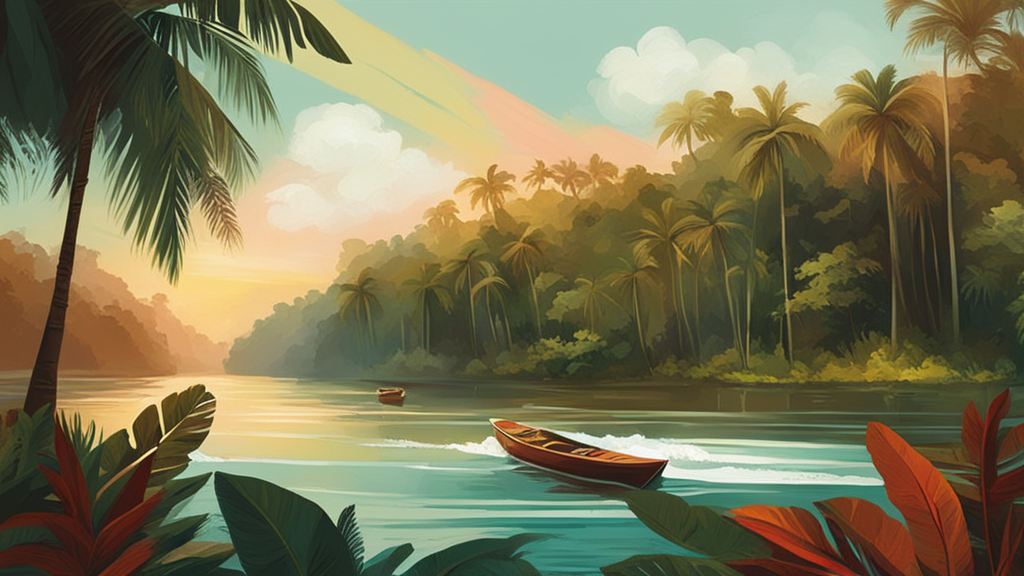
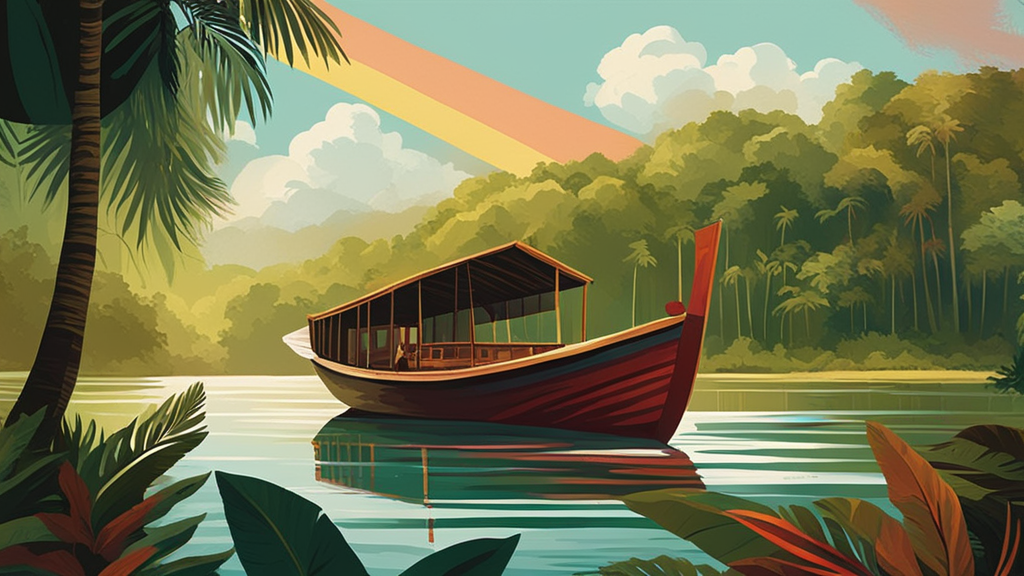
Once in Atjoni, you will find various options for river transport to the villages further up the river. Local boats, often called “korjaals,” are readily available for hire. These boats vary in size and capacity, accommodating different group sizes. The boat ride to the villages can take anywhere from 1 to 3 hours, depending on your destination along the river. It’s advisable to negotiate the fare and confirm the duration before boarding, as prices can vary.
Safety Considerations for Traveling to Atjoni
While traveling to Atjoni is generally safe, it is essential to stay alert, especially on the roads. Ensure that you use reputable taxi services or arrange for private transportation through your accommodation in Paramaribo. Additionally, while on the river, always wear a life jacket and follow the safety instructions provided by your boat captain.
Exploring the Villages: Kumalu and Ping Pe
Once you reach Atjoni, the journey continues via boat to the villages of Kumalu and Ping Pe. Kumalu is a well-known village famous for its vibrant culture and traditional customs. It's advisable to spend at least one night in Kumalu to fully immerse yourself in the local lifestyle. Accommodations are typically available in local guesthouses or eco-lodges, providing a unique experience that reflects the surrounding environment.
Ping Pe, another village along the river, is renowned for its stunning scenery and cultural significance. The community is known for its traditional crafts, especially basket weaving and wood carving. Engaging with local artisans can provide insight into their techniques and the history behind their crafts. The boat ride to Ping Pe from Atjoni usually takes around two hours, offering picturesque views of the rainforest.
Transportation Options Between Villages
Getting between villages along the Upper Suriname River is primarily done by boat. These vessels can be arranged through local operators or your accommodation. It's common to hire a boat for a day to explore multiple villages, ensuring you have ample time to enjoy each location. Always confirm the boat's return schedule, as timing can vary depending on the weather and river conditions.
Planning Your Trip: Best Times to Visit
The climate in Suriname is tropical, with temperatures consistently ranging from 27 to 32 degrees Celsius (80 to 90 degrees Fahrenheit) year-round. However, the region experiences two distinct seasons: the rainy season (April-August, November-February) and the dry season (February-April, August-November). For optimal travel conditions, consider visiting during the dry season when the weather is more predictable, and the river levels are manageable for boat travel.
During the rainy season, road conditions may deteriorate, making access to Atjoni more challenging. Additionally, heavy rains can impact river travel, so always check local weather forecasts before embarking on your journey. Engaging with local guides can enhance your experience, as they provide valuable insights into the best times to visit specific villages based on seasonal activities and events.
Practical Tips for Expatriates and Travelers
Traveling to the Upper Suriname River villages offers a unique opportunity to connect with nature and local culture. Here are some practical tips to help you make the most of your trip:
- Cash is King: Most villages do not have ATMs, and credit cards are rarely accepted. It's advisable to carry sufficient cash in Surinamese Dollars (SRD) for your expenses. For reference, 1 USD is approximately 37.852 SRD.
- Local Customs: Respect local customs and traditions. Dress modestly and ask for permission before taking photographs of individuals or their homes.
- Language: While Dutch is the official language, many locals speak Sranan Tongo or indigenous languages. Learning a few basic phrases can enhance your interactions.
- Pack Essentials: Bring insect repellent, sunscreen, and a reusable water bottle. The remote nature of the villages may limit access to these items.
- Health Precautions: Consult with a healthcare professional about recommended vaccinations before your trip, including those for tropical diseases.
- Engage with the Community: Participate in local activities, such as fishing or craft-making, to gain a deeper understanding of the villagers’ way of life.
Conclusion
Reaching the villages along the Upper Suriname River is a rewarding adventure that offers insights into Suriname's rich cultural heritage and breathtaking natural beauty. With careful planning, attention to safety, and a spirit of adventure, you can enjoy a memorable journey filled with unique experiences. Whether you're traveling solo, as a family, or with colleagues, the Upper Suriname River region is sure to leave a lasting impression.
AI-Generated Content: This article was created with AI assistance and may contain inaccuracies. Please verify important information with official sources.
Exchange rate used in this article: 1 USD = 37.852 SRD, 1 EUR = 43.424 SRD (rate as of 2026-09-29, source: Centrale Bank van Suriname).
Primary Sources
Last updated: September 2026