This guide was synthesized using the latest legislative data and verified by our editorial board. Laws are subject to change; always consult official sources for final confirmation.
Suriname, located on the northeastern coast of South America, faces significant challenges regarding coastal erosion and flooding due to its low-lying geography. The vast majority of the population resides in the coastal strip, making these areas particularly vulnerable to the impacts of climate change and sea-level rise. This article offers insights into neighborhoods to avoid, the factors contributing to coastal vulnerability, and practical advice for expatriates living or considering relocation to Suriname.
Understanding Coastal Erosion and Flooding in Suriname
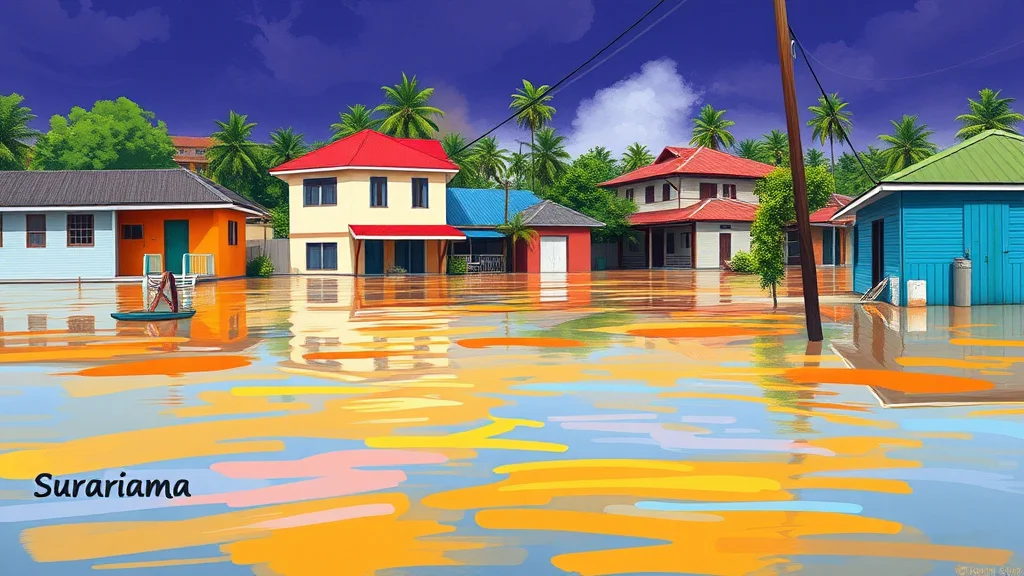
Suriname's coastal region is characterized by a flat topography, with around 30 percent of the land located just a few meters above sea level. This makes it susceptible to flooding, especially during heavy rainfall and high tides. The coastal zone is critical not only for its population but also for agriculture and economic activities. As of our last update, projections indicate that a one-meter rise in sea levels could affect over 6.4 percent of Suriname's GDP and threaten the livelihoods of many residents.
Coastal erosion is compounded by climate change effects, leading to increased rainfall variability and rising sea levels. Historical data shows that areas like Paramaribo have experienced significant flooding during extreme weather events, which has raised concerns among residents and authorities alike. Understanding these dynamics is crucial for expats looking to settle in a safe neighborhood.
Neighborhoods at Risk of Coastal Flooding
Paramaribo
As the capital city and the largest urban center in Suriname, Paramaribo is heavily populated, with many residents living in neighborhoods along the coast. Areas such as Weg naar Zee and Nieuw Amsterdam are particularly vulnerable due to their proximity to the water. These neighborhoods have historically faced flooding during the rainy season, which lasts from April to August and again from November to February. Residents in these areas often report difficulties with drainage during heavy rains, leading to temporary inundation.
In recent years, local authorities have implemented measures to manage flooding risks, such as improving drainage systems and raising road levels. However, the effectiveness of these measures varies, and some neighborhoods continue to be at risk. For expats, it is advisable to carefully assess real estate options in Paramaribo, considering both current conditions and future risks associated with flooding.
Commewijne District
Located just east of Paramaribo, the Commewijne District includes several communities that are also at risk of flooding. Towns like Meerzorg and Alfredo have seen increased flooding in recent years, especially during periods of heavy rainfall or high tides. The area's low elevation and proximity to rivers amplify the risk of flooding, making it less desirable for families and expatriates seeking long-term housing.
Access to emergency services and infrastructure in these areas can also be limited during severe weather events, complicating the situation for residents. Expats should consider alternative locations that are more elevated and less prone to flooding.
Marowijne and Tapanahony Districts
Further inland, the Marowijne and Tapanahony districts are known for experiencing severe flooding, particularly during the rainy season. Although these areas are less populated than Paramaribo, they are not without risk. Flooding can disrupt transportation routes, impacting access to basic services and employment opportunities.
For expatriates who may be considering a rural lifestyle, it is crucial to assess local conditions and historical flooding patterns before committing to any long-term housing options in these districts. Many families opt to stay closer to urban centers like Paramaribo to avoid the uncertainties associated with flooding.
Factors Contributing to Coastal Vulnerability
The primary factors contributing to coastal vulnerability in Suriname include rising sea levels, increased rainfall, and ineffective drainage systems. The impact of climate change is expected to exacerbate these conditions over time, leading to more frequent flooding events. Local governments are implementing strategies to improve flood management, but ongoing investment and community engagement are essential to build resilience against future risks.
Additionally, the economic reliance on agriculture further complicates the situation, as flooding can devastate crops and affect food security. As a result, neighborhoods with a strong agricultural presence may face increased risks as climate change continues to alter weather patterns.
Practical Tips for Expats
Assessing Neighborhood Safety
When considering where to live in Suriname, expats should prioritize neighborhoods that are higher in elevation and have demonstrated effective flood management measures. Research local government initiatives aimed at flood prevention and community resilience. Engage with local residents who can provide firsthand accounts of flooding experiences in their neighborhoods.
It is beneficial to check for recent developments in urban planning that may include improved drainage systems, flood barriers, and elevated construction projects. Areas undergoing urban renewal may be more resilient to flooding, making them safer options for living.
Insurance and Emergency Preparedness
Expats should consider securing comprehensive insurance that covers flooding risks, especially if living in high-risk neighborhoods. Familiarize yourself with local emergency response protocols and community resources available during flooding events. Establish a communication plan with family and friends in case of emergencies.
Additionally, having an emergency kit ready with essentials like food, water, and medical supplies can be crucial during severe weather events. Being proactive about flood risks can significantly enhance safety and peace of mind in your new home.
Conclusion
Coastal erosion and flooding are significant concerns for residents of Suriname, particularly in vulnerable neighborhoods like parts of Paramaribo and Commewijne. Understanding these risks and taking proactive measures can help expatriates make informed decisions about where to live. By prioritizing safety, assessing local conditions, and preparing for emergencies, expats can navigate the challenges associated with flooding in Suriname while enjoying the tropical lifestyle the country has to offer.
AI-Generated Content: This article was created with AI assistance and may contain inaccuracies. Please verify important information with official sources.
Last updated: September 2026