This guide was synthesized using the latest legislative data and verified by our editorial board. Laws are subject to change; always consult official sources for final confirmation.
Expats moving to Suriname encounter a unique set of challenges, one of which is understanding the local waste management and recycling landscape. This article provides detailed insights into how waste is managed in Suriname, available recycling options, and practical tips for integrating sustainable practices into your daily life as an expatriate.
Understanding Suriname's Waste Management System
Suriname, located in the northeast of South America, faces significant challenges in managing waste, particularly plastic waste. As of our last update, less than 10% of plastic waste is recycled, with the majority ending up in landfills or being improperly disposed of in the environment, including rivers. This situation is compounded by a lack of structured waste management systems, which are common in many developing countries.
The Suriname Waste Management Foundation (SUWAMA) is actively working to improve waste management practices in the country. They are involved in initiatives aimed at raising awareness about recycling and implementing projects to manage plastic waste more effectively. Despite these efforts, the current recycling infrastructure is limited, primarily concentrated in urban areas like Paramaribo, the capital city.
Current Recycling Practices
Recycling options in Suriname are still in their infancy. While there are some local initiatives to collect recyclables, the system is not comprehensive. Recycling primarily occurs through private sector companies and NGOs. As an expat, you may find that the best recycling practices are available in Paramaribo, where a small number of businesses are dedicated to managing recyclables.
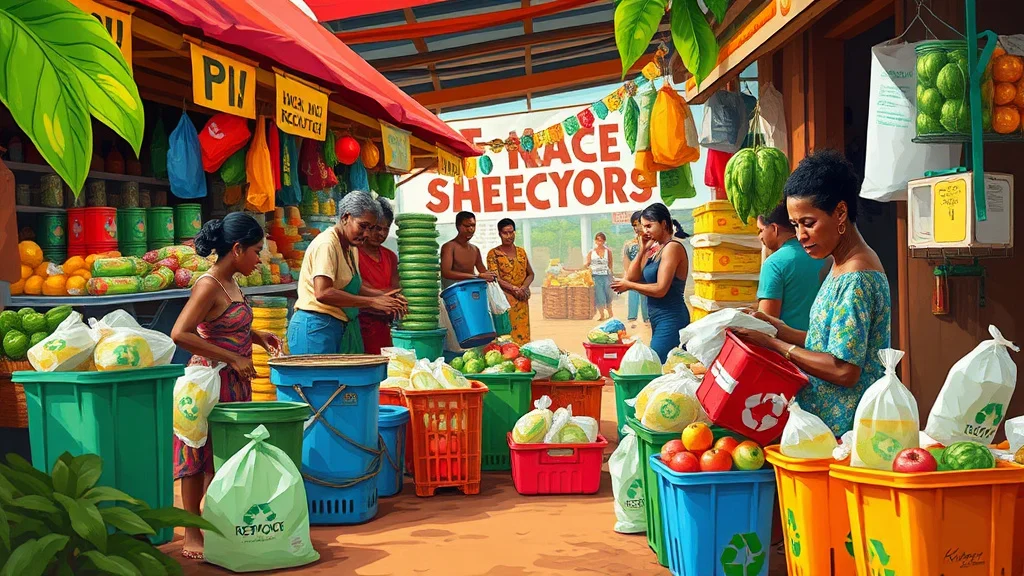
In Paramaribo, you can typically find collection points for plastic, paper, and metal. Local markets may also have specific sections for recyclable materials. However, these facilities are not always well-publicized, so it’s advisable to ask locals for guidance on where to dispose of your recyclables properly.
Types of Waste and Their Management
Understanding the different types of waste generated and their management is crucial for expats wishing to minimize their environmental impact. In Suriname, waste can be categorized into organic waste, recyclables, and general waste.
Organic waste, such as food scraps, is often disposed of in regular trash. However, some expats choose to compost organic waste at home, which is a sustainable practice that can reduce the amount of waste sent to landfills. Composting can typically be done with kitchen scraps, garden waste, and other organic materials.
Recyclables
Recyclables include plastics, paper, cardboard, and metals. The recycling of these materials is currently minimal. For instance, most plastics are not processed and instead contribute to environmental pollution. If you wish to recycle, look for local community initiatives. Participating in these can help foster a culture of recycling within your neighborhood.
Moreover, the government is working towards phasing out single-use plastics by 2025, which could lead to increased recycling initiatives in the coming years. Being part of this change as an expat can involve advocating for and participating in community cleanup and recycling events.
Local Initiatives and Projects
Several local projects are underway to improve waste management in Suriname. The “Koni Doti” and “Krin Birti” projects, initiated by the Ministry of Spatial Planning and Environment, focus on raising awareness about waste management in coastal districts. These programs aim to educate the public on the importance of recycling and proper waste disposal.
As an expat, you can engage with these initiatives by volunteering or attending workshops. This involvement not only helps the local community but also provides valuable insights into sustainable practices that can be implemented in your own home. Connecting with local NGOs can also help you stay informed about upcoming events and opportunities for community engagement.
Accessing Recycling Facilities
If you are living in Paramaribo, accessing recycling facilities is relatively easier compared to more rural areas. Some recycling companies offer collection services for residential areas, which can be a convenient option for expats. Check with local expat groups or social media forums to find recommendations for reliable recycling services.
For those living in remote regions, the challenge increases due to limited access to recycling facilities. In such cases, consider reducing waste at the source. For instance, you can buy in bulk to minimize packaging waste or choose products with less plastic. Engaging with local communities to create informal recycling networks can also be beneficial.
Practical Tips for Expats
Adopting sustainable waste management and recycling practices as an expat in Suriname involves a few key strategies:
- Educate Yourself: Familiarize yourself with local waste management practices and recycling points. Local social media groups or expat forums can provide valuable insights.
- Reduce Plastic Use: Opt for reusable bags and containers to minimize single-use plastic waste. This step is particularly important given the ongoing efforts to phase out single-use plastics in Suriname.
- Participate in Community Initiatives: Engage with local NGOs and community groups focused on environmental issues. Your participation can make a positive impact and help build connections within the community.
- Compost When Possible: If you have outdoor space, consider starting a compost bin. Composting organic waste reduces the amount of trash sent to landfills.
- Stay Informed: Keep up with local news regarding recycling initiatives and changes in waste management policies. This knowledge can help you adapt your practices accordingly.
Conclusion
Suriname presents both challenges and opportunities for waste management and recycling for expats. While the current recycling infrastructure is limited, participating in local initiatives and adopting sustainable practices can make a significant difference. By engaging with the community and staying informed, expats can contribute to improving waste management systems in Suriname while also enjoying the tropical lifestyle the country offers.
AI-Generated Content: This article was created with AI assistance and may contain inaccuracies. Please verify important information with official sources.
Last updated: September 2026