
This guide was synthesized using the latest legislative data and verified by our editorial board. Laws are subject to change; always consult official sources for final confirmation.
Relocating to Suriname can be an exciting adventure, but understanding the local financial landscape is essential for a smooth transition. This article will explore where credit cards are accepted in Suriname, the types of cards commonly used, and practical tips for managing your finances as an expatriate.
What can we help you with?
Three short questions. Then we get in touch. No account needed.
Understanding Credit Card Acceptance in Suriname
As of our last update, credit card acceptance in Suriname is somewhat limited compared to Western countries. While major hotels, upscale restaurants, and some retail stores in Paramaribo accept international credit cards, many local businesses still operate primarily on a cash basis. This means that while you can use your credit card in certain areas, it is crucial to always carry sufficient cash, especially when venturing outside the capital.
Where to Use Credit Cards
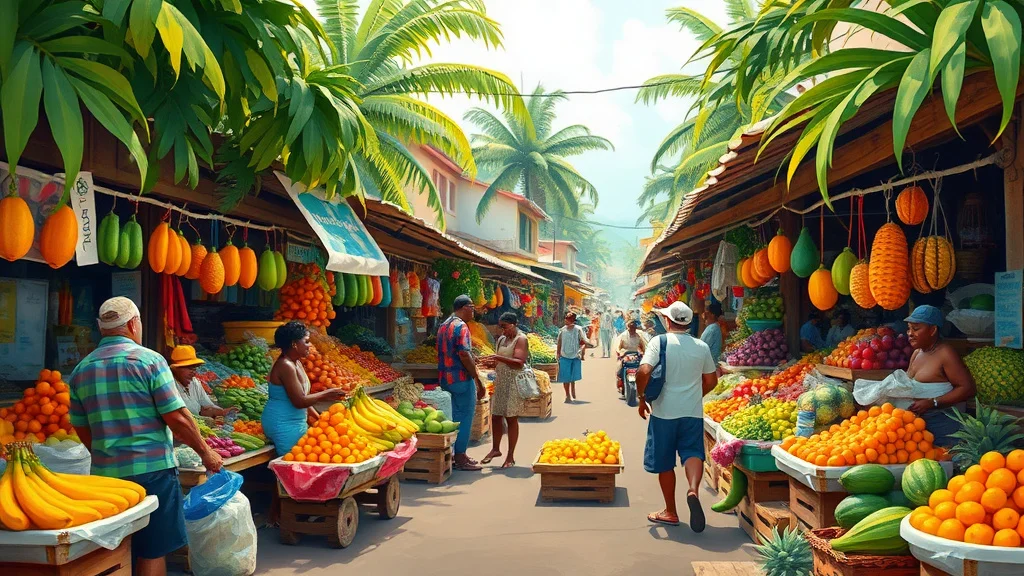
In Paramaribo, the capital city, you will find that most major hotels and higher-end restaurants typically accept credit cards, particularly Visa and Mastercard. For instance, popular dining spots and international hotel chains are more likely to have the necessary infrastructure for card payments. However, smaller eateries, local markets, and shops may only accept cash, so it's advisable to check in advance or have cash on hand.
Additionally, some supermarkets and larger retail stores in Paramaribo may accept credit cards, but this is not guaranteed. Always inquire before making a purchase. If you plan to explore more rural areas or smaller towns, be prepared to rely solely on cash transactions, as credit card facilities may be non-existent.
Types of Credit Cards Commonly Used
Visa and Mastercard are the most widely accepted credit cards in Suriname. As of our last update, American Express and Discover cards are less commonly accepted, so it is advisable to rely on Visa or Mastercard for your transactions. If you are considering applying for a credit card in Suriname, local banks such as Republic Bank offer options like the International Visa Classic Card, which provides benefits such as chip and PIN technology for enhanced security.
International Transactions and Fees
When using your credit card in Suriname, be aware of potential foreign transaction fees. Many banks charge a fee for transactions made outside your home country, which can range from 1% to 3% of the transaction amount. As of our last update, this means that if you spend SRD 100 (approximately USD 13.50 or EUR 12.50), you might incur an additional fee of SRD 1 to SRD 3 (USD 0.14 to USD 0.40 or EUR 0.12 to EUR 0.35). Always check with your bank to understand their specific fees and policies.
Cash vs. Credit: Budgeting for Expat Life
Given that Suriname is a cash-heavy society, budgeting effectively is crucial for expatriates. While you may use your credit card for larger purchases, having cash on hand for daily expenses is essential. As of our last update, the Surinamese Dollar (SRD) has experienced significant devaluation, which affects purchasing power. For example, if you were to budget SRD 1,000 (approximately USD 135 or EUR 125) for monthly expenses, you would need to consider how much of that can realistically be spent using a credit card versus cash.
Hidden Costs to Consider
When planning your budget, keep in mind several hidden costs that expatriates often overlook. Import duties can be significant, especially for electronics and luxury goods, which may be subject to tariffs that can increase the overall cost by 30% or more. Additionally, if you are renting a home, be prepared for deposit norms that can require several months' rent upfront, often in cash.
Currency exchange fees can also add up. If you exchange USD or EUR for SRD, banks and exchange services typically charge a fee, which can be around 2% to 5%. This means that if you exchange USD 1,000 (approximately SRD 7,500), you could lose SRD 150 to SRD 500 in fees alone. Always verify the exchange rates and fees before making transactions.
Practical Tips for Using Credit Cards in Suriname
Here are some practical tips to help you navigate the use of credit cards in Suriname:
- Notify Your Bank: Before traveling or relocating, inform your bank of your plans to avoid any issues with card usage due to suspected fraud.
- Carry Multiple Payment Options: Always have a backup payment method. Carry a mix of cash and a credit card to ensure you can make purchases regardless of the payment options available.
- Use Local ATMs Wisely: If you need cash, use ATMs located in bank branches or reputable establishments to minimize the risk of card skimming. Be aware that ATM withdrawal limits may apply, typically around SRD 1,000 (USD 135 or EUR 125) per transaction.
- Check for Wireless Payment Options: When dining out, ask if the restaurant has a wireless credit card terminal. This allows you to pay at your table, reducing the risk of fraud.
What Expats Should Know
As an expatriate in Suriname, understanding the local financial landscape is vital. Here are some key takeaways:
- Cash is King: Always have enough cash for daily expenses, especially when traveling outside Paramaribo.
- Be Prepared for Currency Fluctuations: The SRD has been volatile, which can impact your budgeting and financial planning. Keep an eye on exchange rates and adjust your budget accordingly.
- Local Banking Options: Familiarize yourself with local banks and their services. Some banks offer international credit cards that may provide additional benefits for expats.
Conclusion
In summary, while credit cards are accepted in select locations in Suriname, the cash-based nature of the economy means that having sufficient cash on hand is essential. Familiarize yourself with the types of credit cards accepted, be aware of potential fees, and budget wisely to navigate your financial needs effectively. With these insights, you can enjoy your time in Suriname while managing your finances with confidence.
AI-Generated Content: This article was created with AI assistance and may contain inaccuracies. Please verify important information with official sources.
Last updated: July 2026