This guide was synthesized using the latest legislative data and verified by our editorial board. Laws are subject to change; always consult official sources for final confirmation.
Relocating to Suriname in 2026? Understanding the cost of living is crucial for expats, whether you're a digital nomad, a professional, or a family. This guide provides an in-depth look at the expenses you can expect, practical budgeting tips, and insights into the local economy.
What can we help you with?
Three short questions. Then we get in touch. No account needed.
Housing Costs in Suriname
Housing is typically the largest expense for expats in Suriname. As of June 2026, the average monthly rent for a furnished apartment in a normal area is approximately 14,500 SRD, which translates to around $383 or €330. This cost can vary significantly based on location and the type of accommodation. For instance, a one-bedroom apartment in the city center can cost about 6,300 SRD ($166 or €144), while a three-bedroom apartment in the same area may reach up to 18,500 SRD ($489 or €422).
For families or those seeking more space, consider neighborhoods outside the city center, where rental prices can be lower. A three-bedroom apartment in a suburban area might cost around 8,100 SRD ($214 or €185). When budgeting for housing, remember to factor in additional costs such as security deposits, which are usually equivalent to one month's rent, and potential maintenance fees if you choose a serviced apartment.
Utilities and Internet
Utility costs in Suriname are generally lower than in many Western countries. For a typical household, monthly utilities, including electricity, water, and garbage collection, can average around 3,550 SRD ($94 or €81). However, air conditioning is essential due to the tropical climate, which can lead to higher electricity bills. Expect to pay around 2,310 SRD ($61 or €53) for a single person's utility bill, while a family may see costs closer to 3,550 SRD ($94 or €81).
Internet services are also relatively affordable, with a monthly plan for high-speed internet (50 Mbps+) costing about 30.3 SRD ($0.80 or €0.69). This is a crucial expense for digital nomads and professionals who rely on stable connectivity. Always verify the availability of service providers in your area, as options can vary significantly.
Food and Dining Expenses
Food costs in Suriname can be quite reasonable, especially if you embrace local cuisine. A typical monthly grocery bill for one person is around 451 SRD ($11.91 or €10), while a family of four may spend approximately 1,199 SRD ($31.66 or €27). Basic staples such as rice (1 kg for about 1.64 SRD or $0.04) and bread (0.5 kg for approximately 1.38 SRD or $0.04) are affordable. However, imported goods can be significantly more expensive due to import duties.
Dining out is also an option, with a meal at a mid-range restaurant for two costing around 53.2 SRD ($1.40 or €1.21). Fast food meals are priced similarly to Western countries, with a meal at a local fast-food chain costing about 11.1 SRD ($0.29 or €0.25). For those who enjoy cooking, local markets offer fresh produce at competitive prices, making it easy to prepare meals at home.
Transportation Costs
Transportation in Suriname is generally affordable, but the options available can differ from what expats may be accustomed to in their home countries. A local transport ticket typically costs around 0.59 SRD ($0.02 or €0.01), and a monthly pass is approximately 90.7 SRD ($2.39 or €2.07). Taxis are available but can be pricier, with an 8 km ride costing about 19.5 SRD ($0.51 or €0.44).
For expats, owning a car may be a consideration. Gasoline prices are around 1.16 SRD ($0.03 or €0.03) per liter, which is relatively low. However, be mindful of additional costs such as insurance and maintenance. Public transport is a viable option for those living in urban areas, but it may not be as reliable as in Western countries.
Healthcare and Insurance
Healthcare in Suriname is a critical consideration for expats. While basic medical services are available, private healthcare facilities offer higher standards of care. A typical doctor's visit can cost around 20.9 SRD ($0.55 or €0.48). However, expats are strongly advised to obtain health insurance that covers both local and international healthcare services.
Insurance premiums can vary widely based on coverage levels and family size. It's advisable to budget for health insurance as part of your monthly expenses, typically ranging from 200 to 400 SRD ($5.28 to $10.56 or €4.56 to €9) per person, depending on the plan. Ensure that your policy includes coverage for medical evacuation, as this can be a significant expense in emergencies.
Practical Tips for Expats
When planning your budget for living in Suriname, consider the following practical tips:
- Currency Volatility: The Surinamese Dollar (SRD) has experienced significant devaluation, impacting long-term financial planning. Monitor exchange rates regularly and consider holding some funds in a more stable currency.
- Banking Infrastructure: Banking services in Suriname may not be as robust as in Western countries. Not all businesses accept card payments, so it's advisable to carry cash for daily transactions.
- Import Duties: Be aware of import duties on goods, which can significantly increase costs for items brought from abroad. Consider purchasing locally whenever possible to save money.
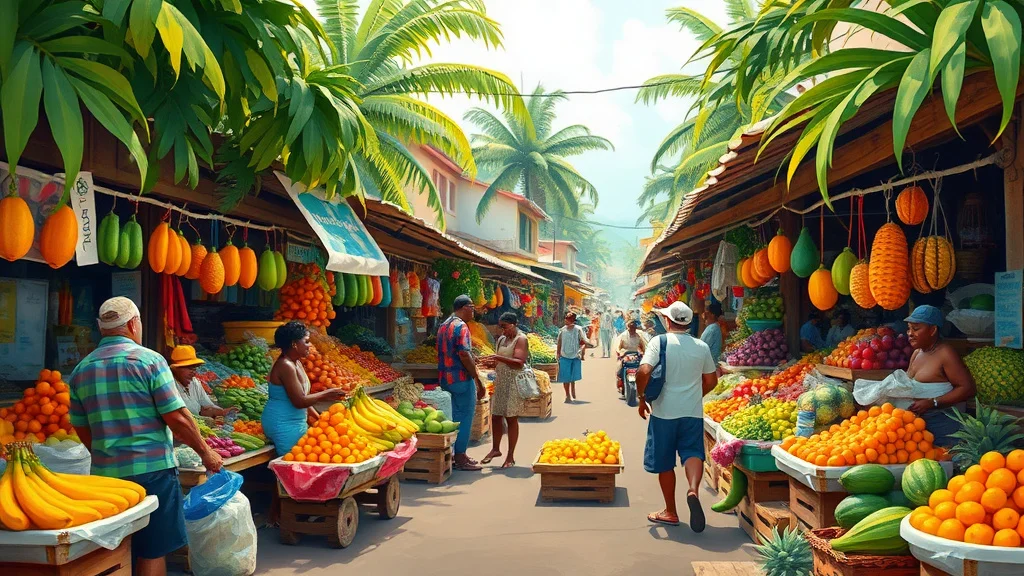
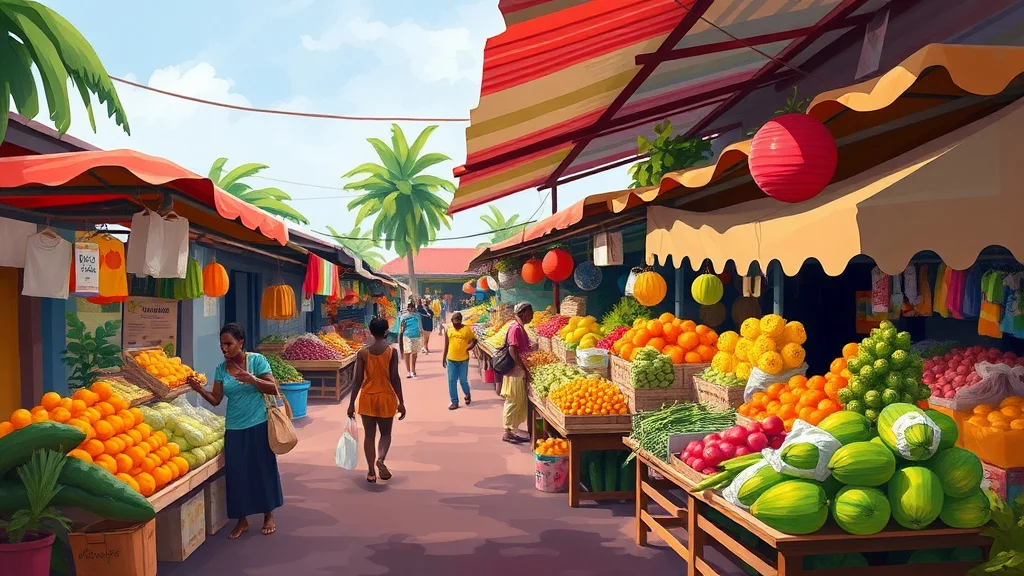
- Local Markets: Explore local markets for fresh produce and goods. This not only supports the local economy but can also lead to substantial savings on groceries.
- Community Connections: Join expat groups or forums to connect with others who can provide insights and tips on living in Suriname. Local knowledge can be invaluable.
Conclusion
In summary, the cost of living in Suriname for expats in 2026 presents a mix of affordable and higher-priced categories. Housing and utilities are manageable, while food and transportation offer good value, especially when embracing local options. Understanding the unique financial landscape, including currency volatility and local banking practices, will help expats navigate their new life in Suriname effectively. By planning carefully and utilizing local resources, expats can enjoy a comfortable lifestyle in this vibrant South American country.
AI-Generated Content: This article was created with AI assistance and may contain inaccuracies. Please verify important information with official sources.
Exchange rate used in this article: 1 USD = 16.00 SRD, 1 EUR = 17.05 SRD (rate as of 2026-07-27, source: Centrale Bank van Suriname).
Last updated: September 2026