This guide was synthesized using the latest legislative data and verified by our editorial board. Laws are subject to change; always consult official sources for final confirmation.
Surinamese roti is more than just a meal; it is a symbol of the country’s rich cultural heritage and a delicious result of its diverse culinary influences. Brought to Suriname by Indian indentured laborers, roti has become a staple in the Surinamese diet, blending traditional Indian flavors with local ingredients and tastes. In this article, we will explore the history of Surinamese roti, its evolution, and the best spots in Paramaribo to enjoy this flavorful dish.
The Historical Journey of Surinamese Roti
Roti’s journey to Suriname began in the 19th century when Dutch colonizers brought Indian laborers to work on sugar and rice plantations. These indentured workers arrived from various regions in India, where roti was a dietary staple. They brought with them not only their skills and labor but also their culinary traditions, which significantly influenced Surinamese cuisine.
In India, roti refers specifically to the flatbread made from whole wheat flour, typically served with vegetables and curries. However, in Suriname, the term “roti” encompasses the entire dish, including the bread and its accompaniments, such as chicken, potatoes, and a rich curry sauce. This transformation illustrates how food evolves through cultural exchanges and adaptations.
Culinary Influences on Roti
Surinamese roti reflects the multicultural fabric of the nation. The dish incorporates spices and cooking techniques from Indian cuisine, while also adapting to local tastes and available ingredients. Surinamese curry, for instance, is often more robust and incorporates local vegetables such as green beans (kousenband) and potatoes. The use of coconut milk in some variations adds a tropical twist that resonates well with the local palate.
Moreover, the communal aspect of eating roti is significant, as it is often enjoyed in gatherings and family meals. Diners typically tear off pieces of roti to scoop up the curry, creating a hands-on, shared experience that embodies Surinamese hospitality.
How Surinamese Roti is Made
The preparation of Surinamese roti involves several steps that vary by household and chef. Typically, the dough is made using wheat flour, water, and leavening agents such as baking powder, which gives the bread its soft, fluffy texture. The dough is rolled into thin rounds and cooked on a hot griddle until golden brown.
Once the roti is prepared, the accompanying curry is cooked. A common recipe includes marinated chicken pieces sautéed with onions, garlic, and a blend of spices, including cumin and coriander. The addition of potatoes and green beans makes for a hearty and fulfilling meal. Coconut milk can also be included for a creamy texture. This dish is seasoned with fresh herbs and often served with sambal for those who prefer a spicy kick.
Variations of Roti
While the classic chicken roti is widely beloved, variations exist that cater to different dietary preferences. For instance, some restaurants offer vegetarian options with chickpeas or tofu, while seafood lovers might find shrimp roti on the menu. The culinary creativity surrounding this dish allows it to appeal to a wide audience, making it a popular choice among locals and expatriates alike.
Where to Eat Surinamese Roti in Paramaribo
Paramaribo, the capital of Suriname, boasts a vibrant culinary scene where you can find some of the best roti in the country. Here are a few recommended spots:
- Local Eateries: Several local restaurants in Paramaribo specialize in traditional Surinamese dishes, including roti. These establishments often serve generous portions at reasonable prices, typically ranging from 30-50 SRD (approximately 4-7 USD) for a full meal.
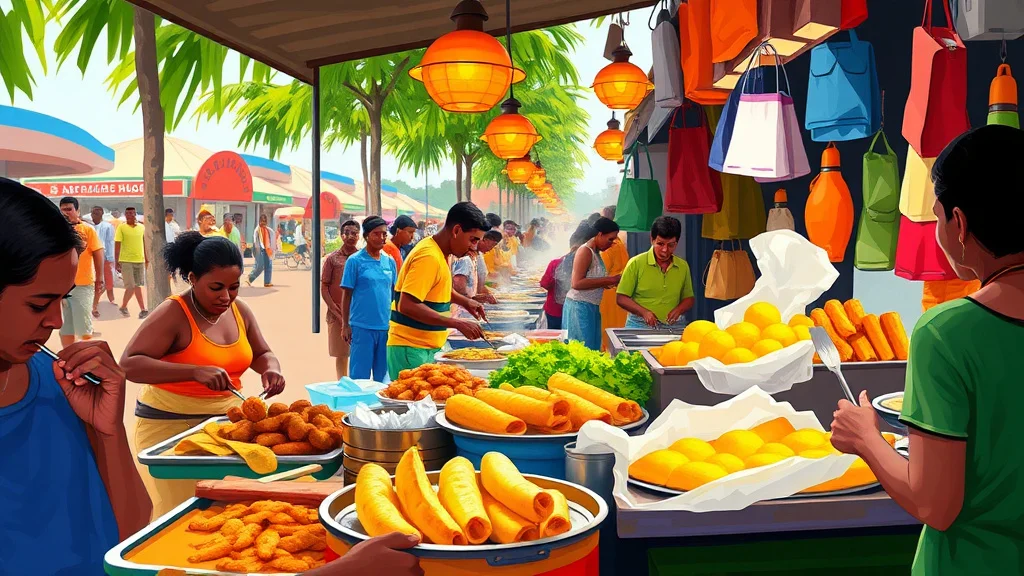
- Street Food Stalls: For those looking for a quick bite, street food vendors often sell delicious roti with various fillings. These stalls provide an opportunity to enjoy authentic flavors while mingling with locals. Prices can be as low as 20 SRD (around 3 USD) for a basic serving.
- Restaurants with Diverse Menus: Some larger restaurants in Paramaribo offer a fusion of cuisines, including Indian, Creole, and Javanese dishes. Here, you might find innovative takes on roti that incorporate different ingredients and flavors, appealing to international tastes. Expect to pay around 50-80 SRD (approximately 7-11 USD) for a meal.
Dining Tips
When dining out for roti in Paramaribo, consider visiting during lunch hours when many local workers enjoy their meals. This is a great time to sample authentic dishes and experience the local dining culture. Additionally, don't hesitate to ask restaurant staff for their recommendations or the day's special, as many places pride themselves on unique recipes.
Another tip is to explore the side dishes that often accompany roti. Popular additions include kousenband (green beans) cooked in a savory sauce and various pickled vegetables, which provide a refreshing contrast to the rich flavors of the curry.
Practical Tips for Expats
As an expatriate in Suriname, learning to make your own roti can be a rewarding experience. Many local markets stock the necessary ingredients, including wheat flour, curry spices, and fresh vegetables. You can find these items in supermarkets and specialty shops throughout Paramaribo. Additionally, some grocery stores offer international products, ensuring you can recreate your favorite dishes from home.
If you prefer convenience, consider using delivery services available in Paramaribo to order roti from your favorite restaurants. Many places offer online ordering, making it easy to enjoy a delicious meal without leaving your home.
Making Roti at Home
Interested in trying your hand at making Surinamese roti at home? Here’s a simplified recipe to get you started:
- Prepare the Dough: Mix 2 cups of wheat flour with 1 teaspoon of baking powder and a pinch of salt. Gradually add water and knead until a smooth dough forms. Let it rest for at least 30 minutes.
- Cook the Roti: Divide the dough into equal portions, roll them out into thin circles, and cook on a hot griddle for about 2-3 minutes on each side until golden brown.
- Prepare the Curry: Sauté chopped onions and garlic, then add chicken and spices. Incorporate potatoes and green beans, simmering until cooked through.
- Serve: Place the roti on a plate, top with the curry, and enjoy with sambal or pickled vegetables on the side.
Conclusion
Surinamese roti is a culinary gem that tells the story of the country's diverse cultural heritage. From its roots in Indian cuisine to its adaptation in Suriname, roti is a beloved dish that brings people together. Whether you choose to dine at local eateries, explore street food stalls, or make it yourself at home, indulging in roti is sure to enrich your experience in Suriname. Enjoy this flavorful journey and savor the unique tastes that this vibrant country has to offer.
AI-Generated Content: This article was created with AI assistance and may contain inaccuracies. Please verify important information with official sources.
Last updated: July 2026