This guide was synthesized using the latest legislative data and verified by our editorial board. Laws are subject to change; always consult official sources for final confirmation.
Surinamese cuisine is a vibrant blend of various cultural influences, showcasing the rich history of the country and its people. From the indigenous tribes to the waves of immigrants, each group has contributed to a unique culinary landscape that reflects the nation's diversity. In this article, we will explore the key influences on Surinamese cuisine, notable dishes, and practical tips for enjoying this flavorful food culture.
Historical Influences on Surinamese Cuisine
Suriname's culinary history is intertwined with its colonial past and the diverse groups that have settled in the region. Indigenous peoples, such as the Arowak and Carib tribes, laid the foundational elements of local cuisine, utilizing native ingredients like cassava, plantains, and a variety of tropical fruits. The arrival of European colonizers introduced new agricultural practices and ingredients, while the transatlantic slave trade brought a significant African influence.
After the abolition of slavery in 1863, Suriname saw an influx of contract workers from Asia, particularly from Java and British India. These groups introduced their culinary traditions, resulting in the unique dishes that define Surinamese cuisine today. The multicultural tapestry of Suriname includes influences from Javanese, Hindustani, Creole, Chinese, and Afro-Surinamese cultures, each adding depth and flavor to the local food scene.
Key Culinary Influences
Javanese and Indonesian Influences
One of the most significant contributions to Surinamese cuisine comes from the Javanese community. Dishes like nasi goreng (fried rice) and mie goreng (fried noodles) were brought to Suriname by Javanese contract workers. These dishes are typically prepared with a blend of spices and ingredients that reflect Indonesian cooking traditions, making them popular among locals and expatriates alike.
Another notable dish, saoto soup, is a Javanese-Surinamese specialty based on Indonesian soto ayam. This fragrant soup combines chicken with various spices, creating a comforting meal that showcases the Javanese influence on local culinary practices.
Hindustani Contributions
Hindustani cuisine has also made a lasting impact on Surinamese food culture, with roti being one of the most beloved dishes. Brought by indentured laborers from British India, roti is a type of flatbread that is often served with flavorful curries and stews. The combination of spices and cooking techniques reflects the rich culinary heritage of India, making roti a staple in many households.
In addition to roti, other dishes like dhal (lentil stew) and various curries are commonly enjoyed, highlighting the continued presence of Hindustani flavors in Surinamese cuisine.
Creole and African Influences
Creole Cuisine
Creole cuisine in Suriname is characterized by its use of local ingredients and cooking methods that have evolved over time. Dishes like pom, a traditional Creole-Jewish casserole made with pomtajer (malanga root) and chicken, reflect the blending of Portuguese-Jewish and Creole culinary traditions. This dish is often enjoyed during special occasions and family gatherings, showcasing its cultural significance.
Another popular Creole dish is moksi alesi, or mixed rice, which combines rice with a variety of ingredients, including meats and vegetables. This dish exemplifies the resourcefulness of Creole cooks, who create flavorful meals using available ingredients.
African and Afro-Surinamese Influences
The Afro-Surinamese community has contributed significantly to the culinary landscape, with dishes like pinda soep (peanut soup) and heri heri, a hearty stew made with root vegetables, plantains, and salt fish. The use of local ingredients and traditional cooking techniques reflects the African heritage of many Surinamese people.
Additionally, bakkeljauw, prepared with salted cod, showcases the colonial Dutch and Portuguese influences on Surinamese cuisine. This dish is often served with vegetables and is a favorite among locals for its robust flavors.
Chinese Influence
Chinese-Surinamese cuisine has also found a place in the culinary scene, with dishes like tjap tjoy (stir-fried vegetables) gaining popularity. Although Chinese influence is not as dominant as that of Javanese or Hindustani, it adds another layer of diversity to the food culture. Several local restaurants offer a fusion of Chinese and Surinamese flavors, catering to diverse tastes.
What Expats Should Know
For expatriates living in Suriname, exploring the local cuisine is a delightful adventure. Here are some practical tips:
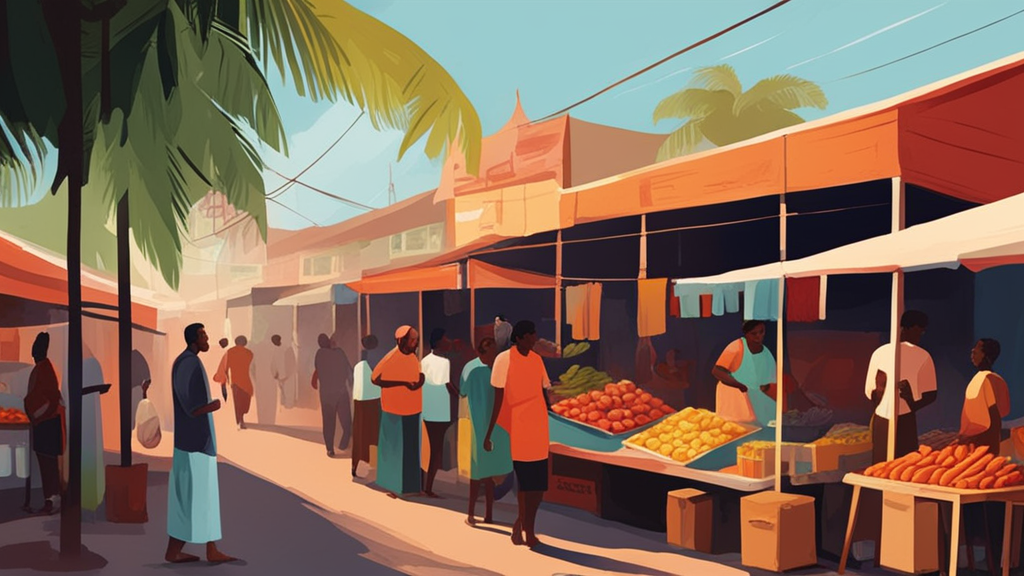
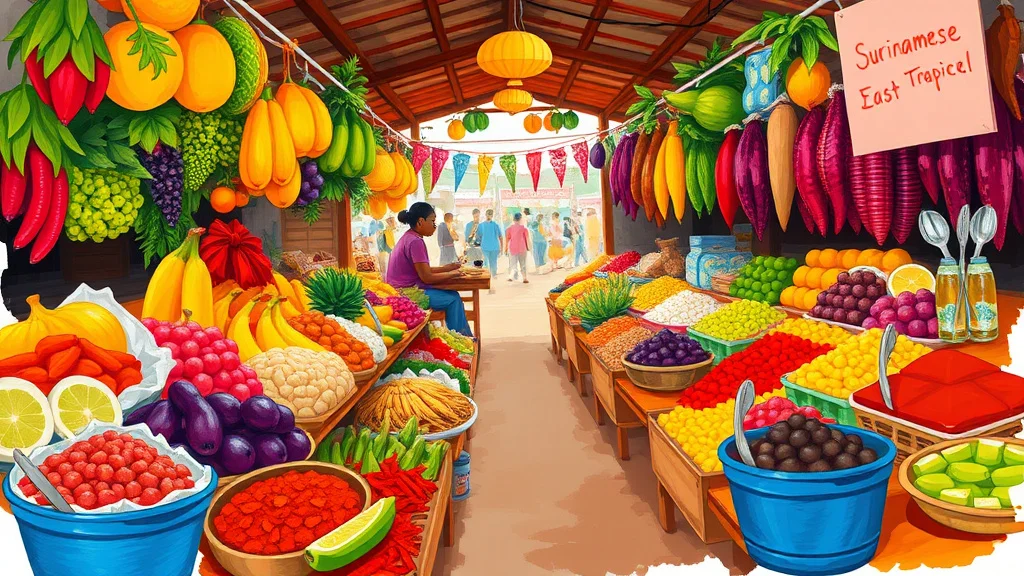
- Where to Find Ingredients: Local markets in Paramaribo offer a wide variety of fresh produce, spices, and traditional ingredients. Look for cassava, plantains, and Madame Janette peppers for authentic Surinamese dishes.
- Dining Options: Several restaurants in Paramaribo specialize in Surinamese cuisine, providing an opportunity to taste local favorites. Don't miss trying roti, pom, and saoto soup at these establishments.
- Cooking at Home: If you prefer to cook, visit grocery stores that stock international products, including Asian and Indian spices. This will help you recreate your favorite dishes at home.
- Street Food: Exploring street food vendors is a must for anyone wanting to experience the local food culture. Dishes like bami and fried plantains are popular snacks that can be found throughout the city.
Conclusion
Surinamese cuisine is a rich tapestry woven from diverse cultural influences, each adding unique flavors and traditions. Understanding the historical context behind these dishes enhances the appreciation for the culinary delights of this tropical nation. Whether you're dining out at a local restaurant or exploring the markets for fresh ingredients, the vibrant flavors of Suriname offer an exciting and delicious experience for all.
AI-Generated Content: This article was created with AI assistance and may contain inaccuracies. Please verify important information with official sources.
Last updated: July 2026