This guide was synthesized using the latest legislative data and verified by our editorial board. Laws are subject to change; always consult official sources for final confirmation.
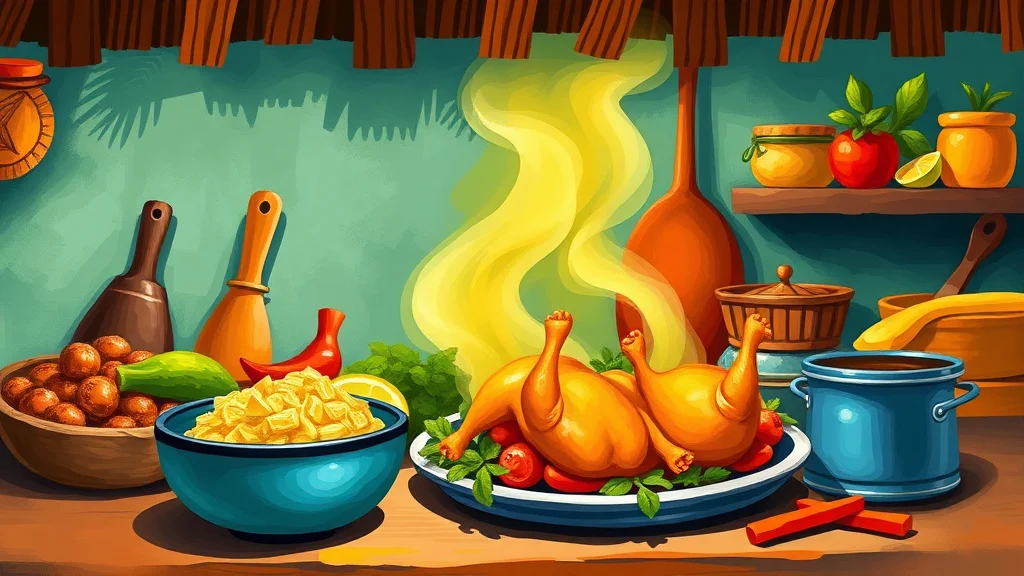
Pom is not just a dish; it’s a culinary symbol of Suriname, cherished by locals and expatriates alike. This chicken casserole, layered with the unique pomtajer root, showcases the rich multicultural influences of the country. In this guide, you'll learn about the history of Pom, how to prepare it, where to find ingredients, and tips for enjoying this beloved dish in Suriname.
Understanding Pom: The National Dish of Suriname
Pom has deep roots in Suriname's history, tracing back to the Jewish immigrants who arrived after fleeing the Spanish Inquisition. They brought with them culinary techniques that would shape this iconic dish. The name “Pom” is derived from pomtajer (malanga), a root vegetable that serves as a crunchy topping for the casserole. Traditionally, this dish is reserved for special occasions, often gracing tables during birthdays and family gatherings, with the saying, "without Pom, there is no birthday" encapsulating its significance.
As of our last update, Pom is typically made with marinated chicken, various spices, and a citrusy flavor profile, which differentiates it from other casseroles. The dish has evolved over the years, with contributions from various ethnic groups in Suriname, including Creole, Javanese, and Hindustani influences. For example, the use of spices like nutmeg and allspice reflects the diverse culinary heritage found in the region.
Ingredients and Preparation of Pom
Main Ingredients
To prepare Pom, you will need the following key ingredients:
- 1 lb. skinless, boneless chicken breasts
- 2 cups chopped tomatoes
- 1 cup coconut milk
- 2 cups chicken stock
- 1 pound of pomtajer or alternative root vegetables (such as cassava or taro)
- 1 white onion
- Spices: salt, black pepper, paprika, nutmeg, allspice
- Citrus: juice and zest of 2 oranges
- Others: olive oil, eggs, piccalilli (or spicy relish), and sambal oelek
Cooking Instructions
To make Pom, start by marinating the chicken with orange juice, salt, and pepper for about 30 minutes. This step enhances the flavor and ensures that the chicken remains juicy. Heat olive oil in a large pan and sauté diced onions until translucent. Then, add the chicken pieces, browning them on both sides.
Next, incorporate the chopped tomatoes, chicken stock, and coconut milk into the pan. Add spices such as nutmeg and allspice, along with the piccalilli and sambal for an extra kick. Simmer the mixture until the chicken is cooked through, which typically takes around 20-25 minutes. Once ready, transfer the mixture to a greased casserole dish.
Now for the topping: Grate the pomtajer or chosen root vegetable and mix it with grated onion, eggs, paprika, salt, and pepper. Spread this mixture evenly over the chicken filling. Bake in a preheated oven at 375°F (190°C) for approximately 45 minutes or until the top is golden brown and crispy.
Where to Find Ingredients in Suriname
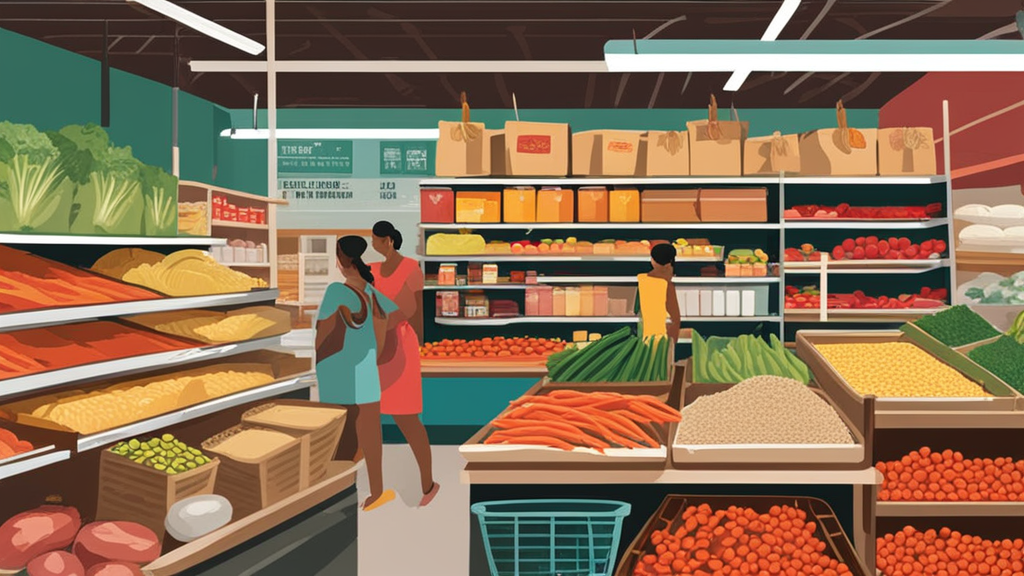
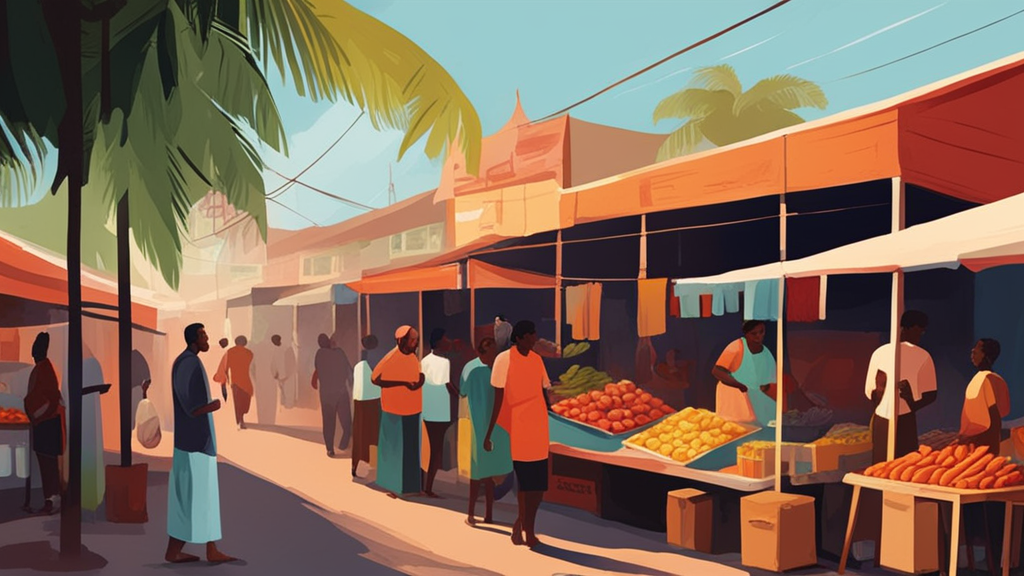
Finding the right ingredients for Pom in Suriname is relatively straightforward, especially in Paramaribo. Local markets and grocery stores are stocked with fresh produce and essential items. The Central Market in Paramaribo is a vibrant place to explore, where you can find pomtajer, fresh chicken, and a variety of spices. Many vendors are familiar with the dish and can offer advice on the best ingredients.
For international products, look for larger supermarkets that cater to expatriates, as they often stock coconut milk and specialty spices. If you prefer convenience, many local restaurants offer delivery services, making it easy to enjoy Pom without the hassle of cooking. You can explore various online platforms that connect local chefs with customers for homemade meals.
Enjoying Pom in Suriname
When it comes to enjoying Pom, there are a few traditional ways to savor this dish. Many locals enjoy Pom hot from the oven, often accompanied by a fresh salad or rice. It's common to serve it during festive occasions, where it takes center stage on the dining table. Leftover Pom is also popular, with some people enjoying it cold or as a sandwich filling, demonstrating its versatility.
Several local restaurants in Paramaribo offer Pom on their menus, allowing expatriates to experience authentic flavors. Dining at these establishments can provide insights into different variations of the dish, as each chef may have their unique take on Pom. Consider asking for recommendations from locals to discover hidden gems that serve this beloved dish.
Practical Tips for Preparing and Enjoying Pom
Cooking Tips
When preparing Pom, consider experimenting with the spice levels to match your taste preferences. If you are not accustomed to spicy food, start with lesser amounts of sambal oelek and piccalilli, adding more gradually. Additionally, if pomtajer is not available, using russet potatoes or taro can yield a similarly satisfying crunch on top.
What Expats Should Know
As an expatriate, engaging with local culinary traditions can enhance your experience in Suriname. Joining cooking classes or food tours can provide valuable insights into Surinamese cuisine, including Pom. Many culinary schools in Paramaribo offer classes where you can learn to prepare traditional dishes alongside local chefs.
Moreover, don't hesitate to ask locals for their favorite Pom recipes or tips; this often leads to delightful exchanges and deeper connections with Surinamese culture. Embracing these experiences will enrich your time in Suriname and expand your culinary repertoire.
Conclusion
Pom is more than just a dish; it embodies the rich cultural tapestry of Suriname. With its roots in Jewish culinary practices and influences from various ethnic groups, Pom is a true representation of the nation's diversity. Whether you choose to prepare it at home or enjoy it at a local restaurant, Pom is sure to delight your taste buds and provide a unique glimpse into Surinamese heritage. Embrace the flavors of this beloved casserole and make it a part of your culinary journey in Suriname.
AI-Generated Content: This article was created with AI assistance and may contain inaccuracies. Please verify important information with official sources.
Last updated: July 2026