This guide was synthesized using the latest legislative data and verified by our editorial board. Laws are subject to change; always consult official sources for final confirmation.
Relocating to Suriname can be an exciting adventure, but understanding the visa extension process is crucial for a smooth stay. This guide provides detailed insights into the types of visas available, eligibility criteria, required documents, and the step-by-step application process for extending your visa in Suriname.
What can we help you with?
Three short questions. Then we get in touch. No account needed.
Types of Visas in Suriname
Suriname offers various visa types depending on the purpose of your stay. The most common visas include:
- Tourist Visa: Typically valid for up to 90 days, this visa is for individuals visiting for leisure.
- Business Visa: For professionals traveling for business purposes, this visa usually allows for a stay of up to 90 days.
- Work Visa: Required for expatriates employed in Suriname, this visa can be extended based on employment contracts.
- Student Visa: For those pursuing education in Suriname, this visa is valid for the duration of the study program.
Each visa type has specific eligibility criteria and documentation requirements, which are essential to understand before applying for an extension.
Eligibility Criteria for Visa Extension
Eligibility for extending your visa in Suriname varies based on the type of visa you hold. Generally, you must:
- Hold a valid visa that is not expired.
- Provide a valid reason for the extension, such as continued employment, ongoing studies, or unforeseen circumstances.
- Submit all required documentation as specified by the immigration authorities.
For example, if you are on a tourist visa and wish to extend your stay, you may need to demonstrate that you have sufficient funds to support yourself during the extended period.
Required Documents for Visa Extension
When applying for a visa extension in Suriname, you will typically need to gather the following documents:
- Application Form: Complete the appropriate visa extension application form, which can usually be obtained from the immigration office or online.
- Passport: A valid passport with at least six months of validity remaining.
- Proof of Financial Means: Bank statements or proof of income to show you can support yourself during the extended stay.
- Accommodation Proof: Documentation confirming your living arrangements in Suriname.
- Employment or Study Verification: A letter from your employer or educational institution confirming your ongoing status.
Ensure all documents are in good order, as incomplete submissions can lead to delays or rejections.
Step-by-Step Application Process
The process for extending your visa in Suriname typically involves the following steps:
- Gather Required Documents: Collect all necessary documents as outlined above.
- Complete the Application Form: Fill out the visa extension application form accurately.
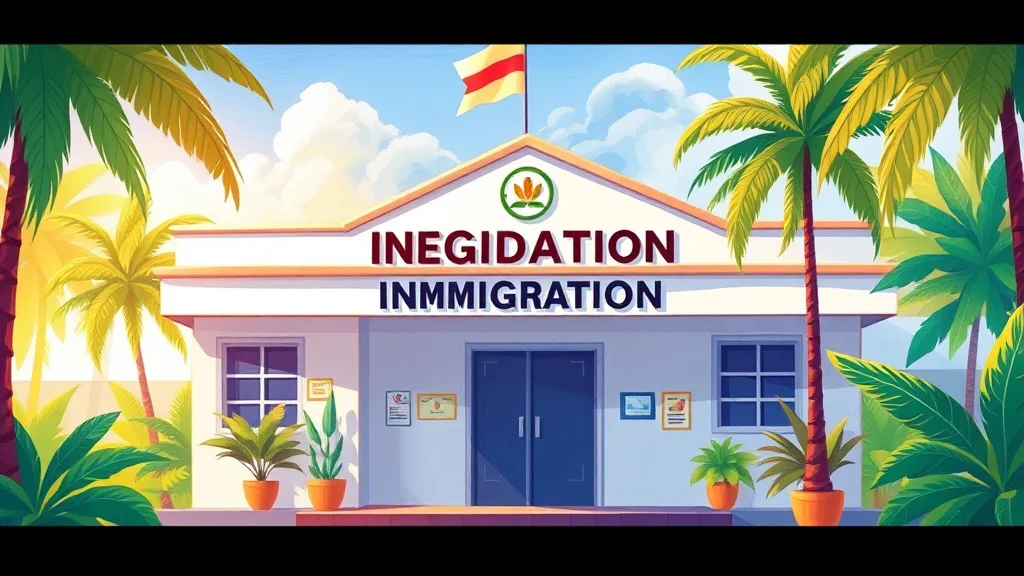
- Submit Your Application: Visit the local immigration office in Paramaribo to submit your application in person. It’s advisable to go early in the day to avoid long queues.
- Pay the Application Fee: Fees for visa extensions can vary, so check with the immigration office for the current rates, which are typically payable in Surinamese Dollars (SRD).
- Wait for Processing: Processing times can take up to 72 hours, but it’s wise to allow for a week or more, especially during busy periods.
- Collect Your Extended Visa: Once approved, return to the immigration office to collect your new visa documentation.
As of our last update, it’s essential to verify the current processing times and fees with official sources, as these can change frequently.
Common Reasons for Visa Extension Rejections
Understanding why visa extensions may be denied can help you avoid pitfalls. Common reasons include:
- Incomplete Documentation: Failing to provide all required documents can lead to immediate rejection.
- Insufficient Financial Means: If you cannot demonstrate that you can support yourself during the extended stay, your application may be denied.
- Expired Visa: Applying for an extension after your current visa has expired can result in rejection.
To mitigate these risks, double-check your application and documents before submission, and ensure your current visa is valid throughout the application process.
Visa Extension for Different Nationalities
Visa extension processes may vary based on nationality. For instance:
- Dutch Citizens: Typically enjoy more lenient immigration policies and may have different documentation requirements compared to other nationalities.
- U.S. Citizens: Must adhere to specific guidelines set by the U.S. Embassy in Suriname, including potential additional documentation.
- Brazilian Nationals: Often have streamlined processes due to regional agreements, but should still verify specific requirements.
Always check with the relevant embassy or immigration office for the most accurate information based on your nationality.
Practical Tips for Expats
Here are some insider tips to ensure a smooth visa extension process:
- Start Early: Begin the extension process at least a month before your visa expires to allow ample time for processing.
- Keep Copies: Make copies of all documents submitted for your records, as this can help in case of any discrepancies.
- Consult Locals: Engage with other expats or locals who have gone through the process for firsthand insights and advice.
- Stay Informed: Immigration policies can change, so regularly check official government websites or local news for updates.
Contact Information for Relevant Offices
For further assistance, you can reach out to the following offices:
- Suriname Immigration Office: Located in Paramaribo, they can provide guidance on visa extensions and requirements.
- U.S. Embassy in Suriname: For U.S. citizens, the embassy can assist with specific visa-related inquiries.
- Local Expat Groups: Many online forums and social media groups can connect you with fellow expatriates who can share their experiences.
In conclusion, extending your visa in Suriname involves understanding the specific requirements and following a structured application process. By gathering the necessary documents, being aware of potential rejection reasons, and utilizing insider tips, you can navigate the extension process more effectively. Always verify with official sources for the most current information to ensure a successful application.
AI-Generated Content: This article was created with AI assistance and may contain inaccuracies. Please verify important information with official sources.
Last updated: July 2026