
This guide was synthesized using the latest legislative data and verified by our editorial board. Laws are subject to change; always consult official sources for final confirmation.
Suriname is an emerging destination within the Caribbean Community (CARICOM) for expatriates seeking a new home. This article dives deep into how Suriname stacks up against its CARICOM neighbors in terms of residence, visa processes, cost of living, and lifestyle. By the end, you will have a clearer picture of what to expect when considering Suriname as your next home.
Visa and Residency Processes
The residency process in Suriname is distinct from many other CARICOM countries. Suriname's approach is structured around three primary permits: entry, residence, and work. Visitors typically pay an entry fee online before arriving, which is US$50 for a single entry or US$75 for a multiple-entry voucher, plus a service fee of US$8. In contrast, many CARICOM countries have a more streamlined visa process where citizens of CARICOM nations can enter visa-free for longer periods.
To reside in Suriname, expats must apply for a residence permit (verblijfsvergunning), which involves submitting various documents to the Foreigners Affairs office in Paramaribo. This process may take up to three months, depending on the completeness of your application. In countries like Guyana or Trinidad and Tobago, similar applications are required, but they may have different documentation requirements and processing times. Understanding these differences is crucial, especially if you are considering employment or family relocation.
Entry Requirements for CARICOM Nationals
CARICOM passport holders benefit from visa-free entry into Suriname. This exemption significantly eases the transition for nationals from countries like Guyana and Jamaica, allowing them to establish residence with fewer bureaucratic hurdles. In contrast, non-CARICOM nationals, such as those from Europe or North America, must navigate the entry fee and subsequent residency application process. This aspect makes Suriname more accessible to its regional neighbors while posing additional steps for others.
Cost of Living Comparison
When comparing the cost of living in Suriname with other CARICOM nations, it is important to consider various factors such as housing, food, transportation, and utilities. Suriname's cost of living is generally lower than in some other CARICOM countries, making it an attractive option for expatriates. For instance, renting a two-bedroom apartment in Paramaribo can vary widely, and it is advisable to research current market rates to get an accurate understanding of housing costs. This significant difference in housing costs highlights one of Suriname's appealing aspects for new residents.
Utility costs in Suriname are also favorable due to the tropical climate, where heating is unnecessary, allowing you to save on energy bills. However, air conditioning is essential due to the warm temperatures year-round. While specific average monthly utility bills may vary, it is generally advisable to budget for utilities, which can include electricity, water, and internet. This can be comparable to other CARICOM nations, but it is wise to conduct personal research to understand the local costs better.
Food and Dining
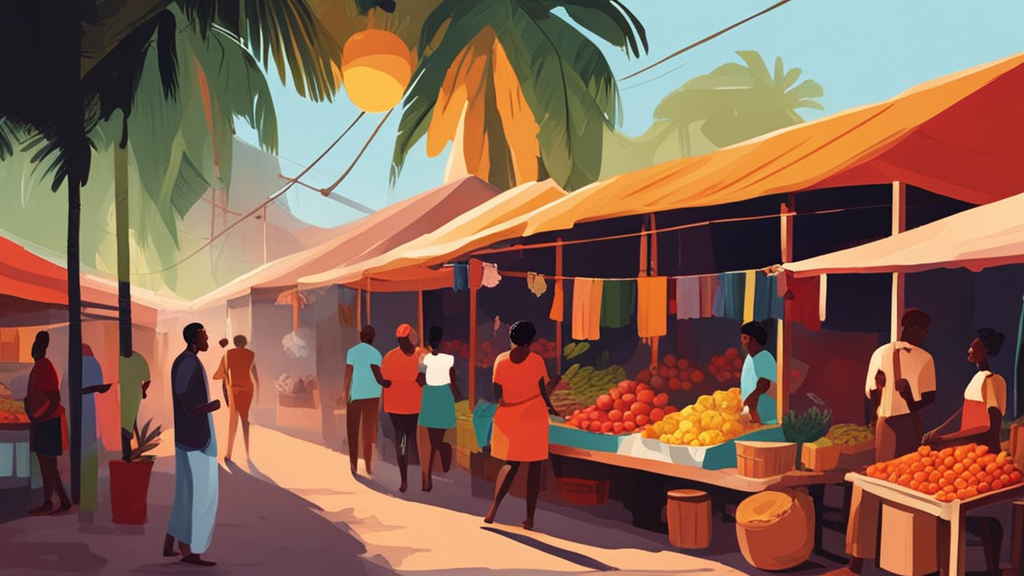
Food prices in Suriname are generally reasonable, especially when purchasing local produce and staples. Dining out can also be affordable, with various options available for different budgets. Markets in Paramaribo offer fresh fruits and vegetables at lower prices than supermarkets, where imported goods can be more expensive. This can be a significant consideration for families or those on a tight budget. Comparatively, dining out in other CARICOM nations may be pricier due to higher transportation costs and the demand for imported goods.
Lifestyle and Culture
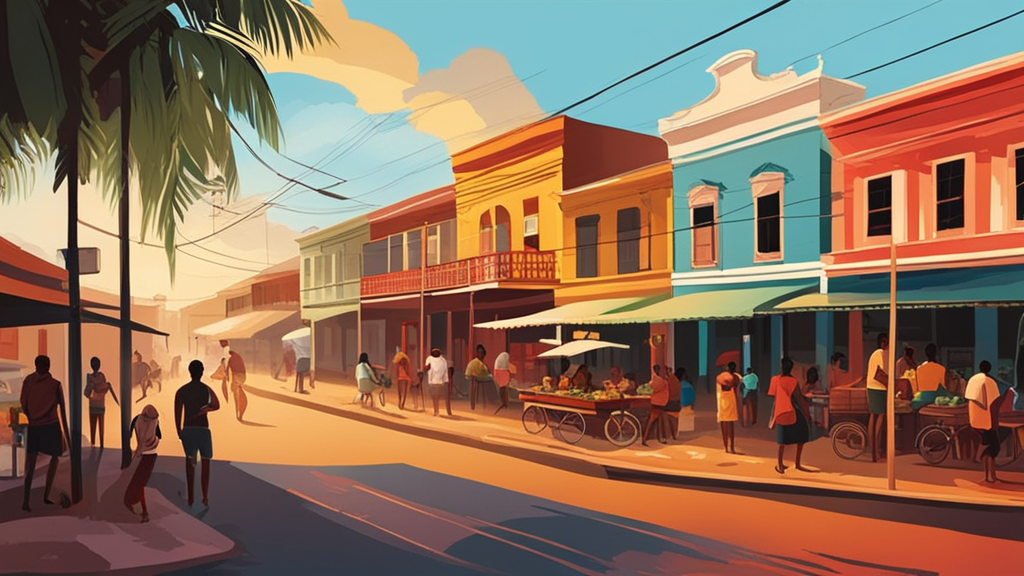
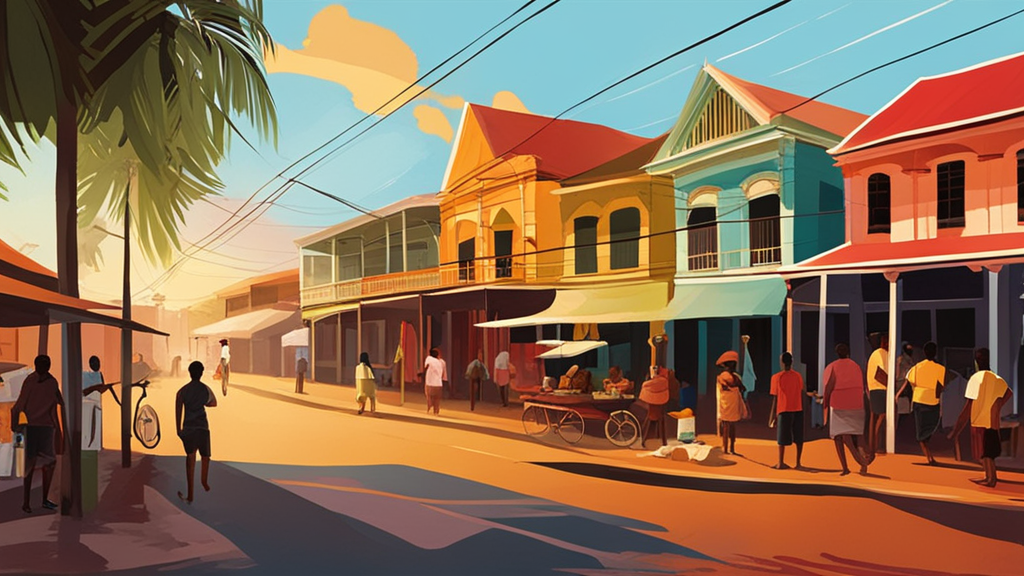
Suriname's rich cultural diversity is a major draw for expatriates. With influences from Indigenous peoples, African descendants, and Europeans, the country offers a unique cultural tapestry that reflects in its festivals, cuisine, and daily life. Living in Paramaribo allows expats to immerse themselves in history, architecture, and vibrant community life. The annual Carnival and other cultural festivities provide opportunities for expats to engage with locals and experience the country's multicultural atmosphere.
In contrast, countries like Saint Lucia and Dominica are known for their beautiful landscapes and tourism-centered economies, which can lead to a more transient lifestyle for expats. Suriname, however, tends to have a more stable expat community due to its slower pace of life and welcoming locals, making it easier for newcomers to integrate. Various neighborhoods in Paramaribo offer a blend of local and international amenities, catering to different preferences and lifestyles.
Language and Communication
Language can also impact your experience as an expatriate in Suriname. While Dutch is the official language, many people speak Sranan Tongo, English, and Hindi. This linguistic diversity can be advantageous, as it allows English-speaking expats to communicate with a broader range of people. In contrast, some CARICOM nations may present a language barrier for English speakers due to the prevalence of other languages. Familiarizing yourself with basic Dutch or Sranan Tongo phrases can enhance your interactions and help you feel more at home in Suriname.
Practical Tips for Expats
Before relocating to Suriname, consider the following practical tips to help ease your transition:
- Research neighborhoods: Explore areas in Paramaribo for convenience or suburbs for a quieter lifestyle.
- Connect with expat communities: Online forums and social media groups can provide valuable insights and support.
- Learn some local phrases: Familiarizing yourself with basic Dutch or Sranan Tongo will help in daily interactions.
- Budget for utilities: Keep in mind the costs for air conditioning, as it will be a significant part of your monthly expenses.
- Explore local markets: Shopping at local markets not only saves money but also provides a taste of Surinamese culture.
Conclusion
In summary, Suriname presents a unique and often more affordable alternative for expatriates compared to other CARICOM countries. The visa process, cost of living, and cultural experiences all contribute to its appeal. Understanding the differences in residency requirements, cost, and lifestyle can help you make an informed decision about relocating. Suriname's welcoming atmosphere, combined with its rich cultural heritage, makes it a compelling choice for those looking to start a new chapter in the Caribbean.
AI-Generated Content: This article was created with AI assistance and may contain inaccuracies. Please verify important information with official sources.
Primary Sources
Last updated: September 2026