This guide was synthesized using the latest legislative data and verified by our editorial board. Laws are subject to change; always consult official sources for final confirmation.
Relocating to a new country can be an exciting yet challenging experience, especially when it comes to ensuring your children receive a quality education. In Suriname, the process of registering your child for school involves a few steps that differ from what you may be accustomed to in Western Europe or North America. This guide provides practical advice and insider tips to help you navigate the registration process smoothly.
Understanding the Education System in Suriname
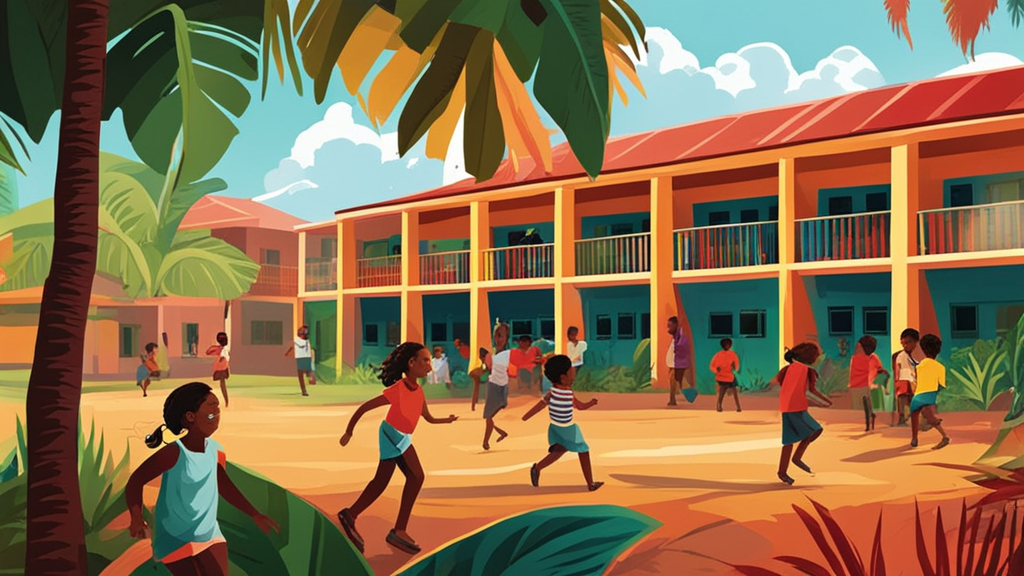
The education system in Suriname comprises several levels, including preschool, primary, secondary, and tertiary education. Children generally start primary school at an age determined by the school, and many schools offer preschool programs for younger children. The structure of primary and secondary education may vary, so it is advisable to research specific schools for detailed information.
Suriname offers both public and private schooling options, with the majority of expats choosing private institutions due to their international curriculum and English language instruction. Many international schools in Paramaribo cater to diverse educational needs. Before registering your child, consider the type of education that aligns best with your family's values and future plans.
Steps to Register Your Child for School
1. Gather Required Documentation
To register your child in a Surinamese school, you will typically need to provide several essential documents. These may include:
- Proof of Identity: Your child's passport or national identity card.
- Birth Certificate: A copy of your child's birth certificate is often required for age verification.
- Proof of Residency: Documentation such as a rental agreement or utility bill showing your current address in Suriname.
- Immunization Records: Most schools require up-to-date vaccination records for enrollment.
Some schools may also ask for additional documentation, such as previous school reports or letters of recommendation from prior teachers. As you gather these documents, it's wise to make multiple copies to streamline the registration process.
2. Visit Schools and Inquire About Enrollment
Before making a final decision, visit various schools to get a feel for their environment, teaching styles, and facilities. Most schools in Paramaribo welcome prospective parents and offer tours. During the visit, ask about:
- Curriculum and language of instruction (many international schools offer English as the primary language).
- Class size and student-to-teacher ratio, which can impact your child's learning experience.
- Extracurricular activities, such as sports, arts, and clubs, which can enhance your child's social life.
Once you have shortlisted a few schools, you can inquire about their enrollment process. Schools may have different deadlines for registration, so it's wise to act promptly.
Understanding School Fees and Financial Considerations
School fees can vary significantly between public and private institutions. Public schools in Suriname may have no tuition fees, but there could be costs associated with uniforms, textbooks, and school supplies. On the other hand, private international schools typically charge tuition fees that can vary depending on the institution and the grade level.
It’s also important to factor in additional costs such as uniforms, transportation, and extracurricular activities when budgeting for your child’s education. Many schools have uniform requirements, and you may find local shops or markets in Paramaribo that offer affordable options.
Placement Considerations and Challenges
1. Waiting Lists and Availability
In some cases, you may encounter waiting lists, particularly at popular international schools. If the school you prefer has reached its capacity, your child may be placed on a waiting list until a spot becomes available. To avoid potential delays, consider visiting schools that have immediate openings. It’s wise to have a backup school in mind, just in case.
2. Special Needs and Support Services
If your child requires special educational support, it’s crucial to communicate this to the school during the registration process. Some schools in Suriname are equipped to handle special needs, while others may not have the facilities or staff trained for such support. Schools have a responsibility to ensure that every child is cared for, and they may work with you to find the best fit for your child if they cannot provide the necessary services.
What Expats Should Know
1. Cultural Nuances in Education
Understanding the local culture can ease your family's transition into the Surinamese education system. Surinamese schools emphasize respect for teachers and authority, which may differ from more egalitarian attitudes in Western education systems. Encourage your child to adapt to these cultural expectations while maintaining their individuality.
2. Local Community Engagement
Getting involved in the school community can be beneficial for both you and your child. Attend parent-teacher meetings and school events to connect with other families and build a support network. Many expat families also participate in local activities or volunteer within their communities, which can be a great way to help your child make new friends and feel more at home.
Conclusion
Registering your children for school in Suriname involves several key steps, from gathering necessary documentation to exploring different educational options. Understanding the local education system, financial considerations, and cultural nuances will help you navigate this process smoothly. By being proactive and engaged, you can ensure that your children have a positive educational experience in their new home.
AI-Generated Content: This article was created with AI assistance and may contain inaccuracies. Please verify important information with official sources.
Primary Sources
Last updated: September 2026