This guide was synthesized using the latest legislative data and verified by our editorial board. Laws are subject to change; always consult official sources for final confirmation.
Relocating from the Netherlands to Suriname involves several administrative steps, particularly concerning registration and deregistration with your local municipality. This process is crucial for ensuring a smooth transition and avoiding complications with your residency status, taxes, and other legal obligations. In this article, you will learn about the steps involved in deregistering from a Dutch municipality, the implications of your move, and how to register in Suriname.
Understanding the Importance of Deregistration
Deregistering from your municipality in the Netherlands is not merely a bureaucratic formality; it is a legal requirement when leaving the country for more than eight months within a twelve-month period. This deregistration affects various aspects of your life, including taxation, health insurance, and access to public services. For expatriates moving to Suriname, understanding the implications of deregistration is vital to avoid potential fines and complications.
When you deregister, your information is updated in the Personal Records Database (BRP) and transferred to the Non-residents Records Database (RNI). This ensures that Dutch authorities are aware of your new status and can communicate with you regarding any outstanding obligations, such as taxes or health insurance premiums.
What can we put you in touch about?
Three short questions. Then we put you in touch with Expat Suriname, a trade name of BlueOceanSolutions B.V.. No account needed.
Step-by-Step Guide to Deregistering from a Dutch Municipality
1. When to Deregister
You should deregister on the day you leave the Netherlands or as soon as possible after your departure. If you are moving with your entire family, you can report your move up to four weeks before your departure date. However, if not all family members are moving at the same time, you must deregister in person.
2. Methods of Deregistration
- Online: If your entire family is moving on the same date, you can deregister online. This is the quickest method, and your deregistration will be processed immediately.
- In Person: If not all family members are moving together, you must visit your local municipality office. Bring valid identification for each family member and your new address abroad.
- By Post: You can also deregister by sending a letter to your municipality. Include the names, dates of birth, current address, new address abroad, and signatures of all family members. This method may take up to three weeks for processing.
Required Documents for Deregistration
When deregistering, you will need to provide several documents. Typically, these include:
- Valid identification (passport, ID card, or driving license) for each family member.
- Your current address in the Netherlands.
- Your new address in Suriname, if known.
- A signed letter if deregistering by post, including the names and birth dates of all family members.
It is advisable to request an international proof of deregistration, as you may need this document for your registration in Suriname or for other administrative purposes.
Consequences of Not Deregistering
Failing to deregister can lead to several complications. You may remain liable for Dutch income tax, social security contributions, and health insurance premiums even after leaving the country. Additionally, your access to Dutch public services may be affected, and you could face fines or penalties for not complying with the deregistration requirement.
Moreover, if you plan to return to the Netherlands in the future, having an updated status can simplify your re-entry and reintegration process. It’s essential to ensure that all your affairs are in order before making the move to Suriname.
Registering in Suriname
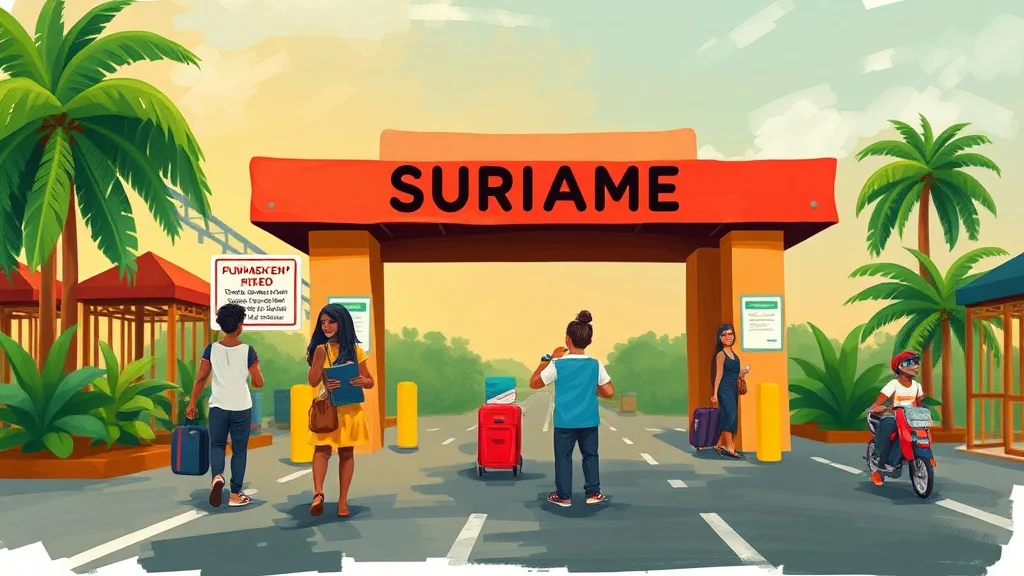
Once you have successfully deregistered from your municipality in the Netherlands, the next step is to register in Suriname. This process is essential for establishing your residency and accessing local services. The requirements for registration in Suriname can vary based on your nationality, so it’s important to be aware of the specific regulations that apply to you.
1. Visa Types and Eligibility
Suriname offers various visa options for expatriates, including tourist visas, work visas, and residence permits. The type of visa you need will depend on your reason for moving. For example, Dutch citizens may have different requirements compared to US or Brazilian nationals. Typically, you will need to provide:
- A valid passport with at least six months of validity remaining.
- Proof of sufficient financial means to support yourself during your stay.
- A clean criminal record certificate.
- Health insurance coverage valid in Suriname.
2. Application Process
The application process for a visa or residence permit typically involves submitting your documents to the Surinamese embassy or consulate in your home country or directly in Suriname. Processing times can vary, so it’s advisable to apply well in advance of your planned move. Common processing times can range from a few weeks to several months, depending on the type of visa.
Common Rejection Reasons and How to Avoid Them
Visa applications can be rejected for several reasons, including incomplete documentation, insufficient financial means, or failure to meet health insurance requirements. To avoid these issues, ensure that you:
- Double-check all documents for completeness and accuracy before submission.
- Provide clear proof of financial stability, such as bank statements or employment contracts.
- Ensure your health insurance meets Surinamese requirements.
Practical Tips for Expats Moving to Suriname
As you prepare for your move to Suriname, consider the following insider tips:
- Learn Basic Dutch: While many people in Suriname speak English, knowing some basic Dutch phrases can help you navigate daily life and build connections with locals.
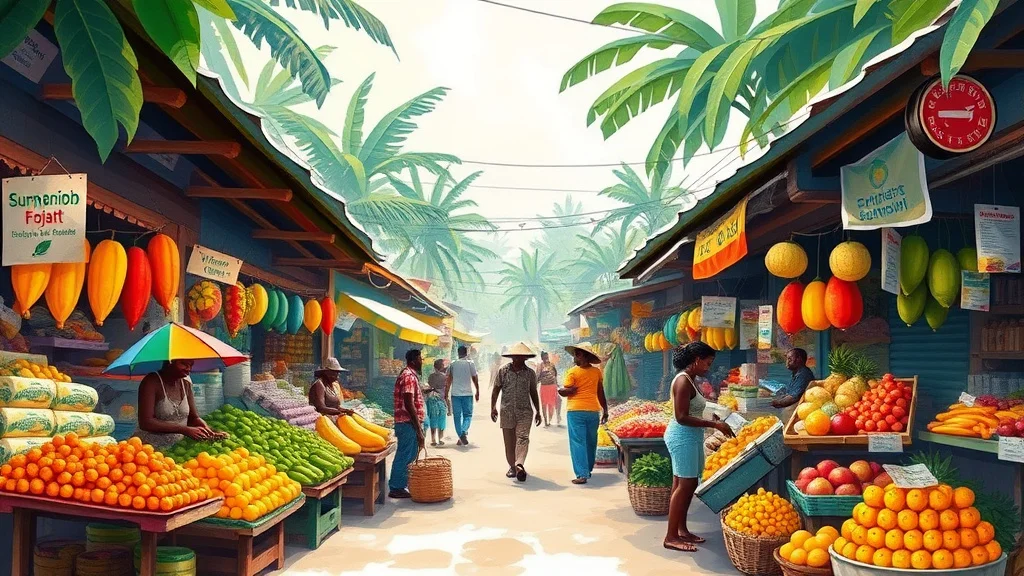
- Explore Local Markets: Familiarize yourself with local markets and grocery stores in Paramaribo. This will help you adjust to local cuisine and find familiar products.
- Connect with Expat Communities: Joining expat groups on social media can provide valuable insights and support during your transition.
- Understand Local Customs: Take time to learn about Surinamese culture and customs to help you integrate smoothly into your new environment.
Conclusion
Moving from the Netherlands to Suriname requires careful planning, especially regarding deregistration and registration processes. By understanding the steps involved and preparing the necessary documentation, you can ensure a smooth transition to your new life in Suriname. Keep in mind the importance of deregistration to avoid legal complications and prepare adequately for your new residency in this vibrant tropical country.
AI-Generated Content: This article was created with AI assistance and may contain inaccuracies. Please verify important information with official sources.
Last updated: September 2026