This guide was synthesized using the latest legislative data and verified by our editorial board. Laws are subject to change; always consult official sources for final confirmation.
Suriname, a small yet culturally rich country in South America, has Dutch as its official language. This article explores the significance of Dutch in daily life, its role in official contexts, and what expatriates need to know when relocating or living in Suriname.
Understanding the Role of Dutch in Suriname
As of our last update, Dutch is the official language of Suriname, a remnant of its colonial past. Approximately 60% of the population speaks Dutch, making it a vital part of government, education, and media. However, it is essential to note that while Dutch is the official language, it is not the most commonly spoken language in social settings. Many Surinamese people communicate in Sranan Tongo, a creole language, or other indigenous languages, depending on their cultural background.
In official contexts, Dutch is used for legal documents, government communications, and educational materials. This means that expatriates will encounter Dutch in various aspects of daily life, from signing contracts to interacting with local authorities. Understanding the basics of the language can significantly enhance your experience in Suriname, especially when dealing with bureaucratic matters.
What can we put you in touch about?
Three short questions. Then we put you in touch with Expat Suriname, a trade name of BlueOceanSolutions B.V.. No account needed.
Daily Life and Dutch Language Usage
In everyday interactions, Dutch is often mixed with Sranan Tongo and other local languages. While you may hear Dutch in formal situations, such as at schools or government offices, many locals prefer to converse in their native tongues. This linguistic blend reflects Suriname's multicultural society, where various ethnic groups coexist. For expatriates, this means that while Dutch is essential for official matters, learning some phrases in Sranan Tongo or other local languages can help foster connections with the community.
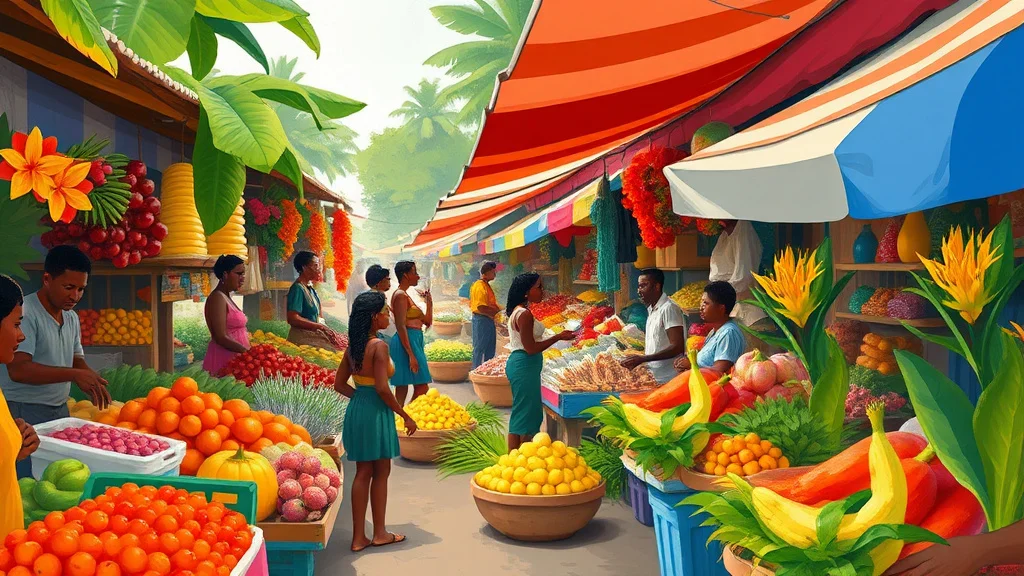
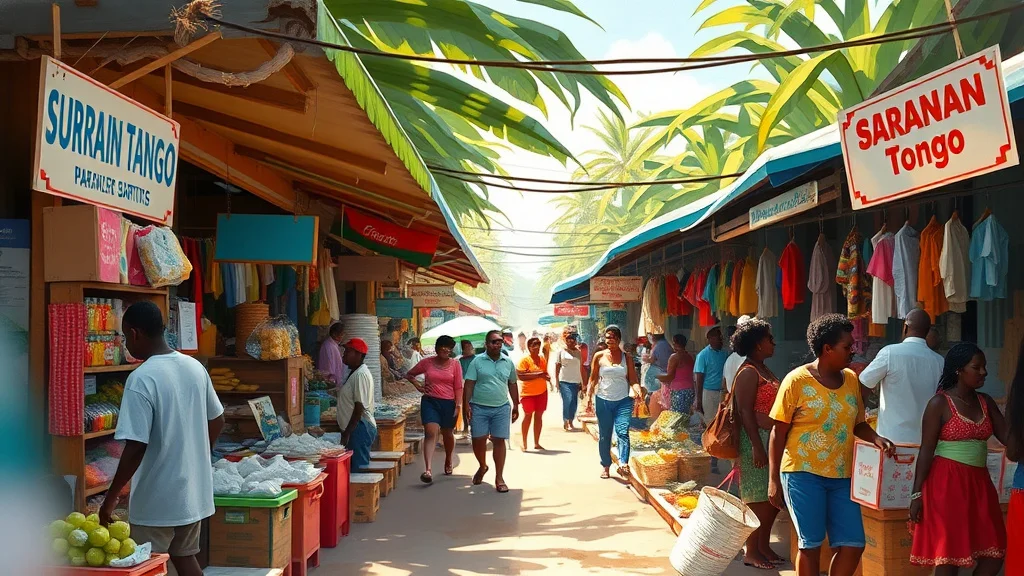
Local businesses, restaurants, and markets typically use Dutch in their signage and menus, but you will also find a significant amount of Sranan Tongo being spoken. For instance, when visiting a local market, you might hear vendors speaking in Sranan Tongo, while the official prices and product names are often displayed in Dutch. Familiarizing yourself with basic Dutch phrases can enhance your shopping experience and help you navigate daily life more smoothly.
Practical Tips for Navigating the Language Barrier
For expatriates moving to Suriname, here are some practical tips to help you navigate the language landscape:
- Learn Basic Dutch Phrases: Familiarize yourself with common phrases and greetings in Dutch. This will not only help in daily interactions but also show respect for the local culture.
- Use Language Apps: Consider using language learning apps to practice Dutch. Many apps offer conversational practice, which can be beneficial for everyday situations.
- Engage with Locals: Don’t hesitate to engage with locals in their preferred language. Most people appreciate the effort and may switch to Dutch if they see you are making an effort.
- Attend Language Classes: Look for local language classes that offer Dutch lessons. This can be a great way to meet other expatriates and locals while improving your language skills.
Official Use of Dutch in Immigration Processes
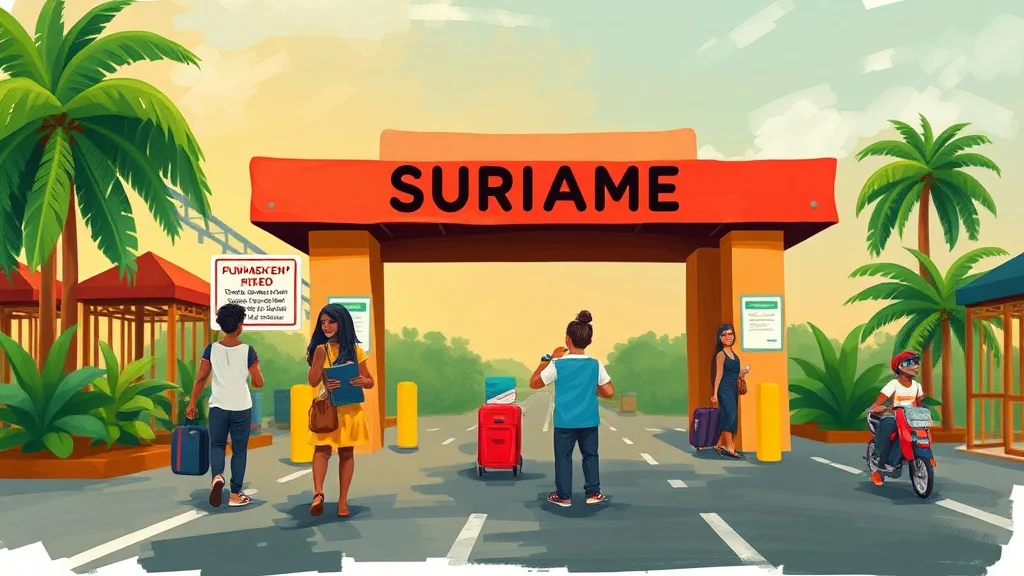
When it comes to immigration, Dutch plays a crucial role in the application process. All official documents, including visa applications, residency permits, and other legal paperwork, are typically in Dutch. Therefore, understanding the language can significantly ease the process. For example, if you are applying for a work visa, you will need to fill out forms in Dutch and provide documents that may also be in the language.
Different nationalities face varying requirements when immigrating to Suriname. Dutch citizens, for instance, have a more straightforward process compared to other nationalities. They may not require a visa for short stays, while citizens from the US or Brazil typically need to apply for a visa before arrival. It's advisable to verify the latest immigration policies with official sources, as they can change frequently.
Common Challenges and Solutions
Expatriates may encounter several challenges related to the use of Dutch in Suriname. One common issue is the potential for misunderstandings due to language barriers, especially in legal and official matters. To mitigate this, consider hiring a local translator or legal advisor who is fluent in Dutch and familiar with the local legal system. This can help ensure that you understand all documents and processes correctly.
Another challenge is the prevalence of Sranan Tongo in social interactions. While it may seem daunting, embracing the local language can enhance your experience. Many locals are happy to teach you basic phrases, and this can lead to more meaningful connections within the community.
What Expats Should Know
As an expatriate in Suriname, understanding the role of Dutch in daily life and official use is vital. Here are some key takeaways:
- While Dutch is the official language, Sranan Tongo is widely spoken in social settings.
- Familiarizing yourself with basic Dutch phrases can enhance your interactions and help you navigate official processes.
- Be aware of the different immigration requirements based on your nationality, and always verify with official sources.
- Engaging with locals in their preferred language can foster connections and enrich your experience in Suriname.
In conclusion, while Dutch is the official language of Suriname, the linguistic landscape is diverse. Understanding the nuances of language use in daily life and official contexts can significantly enhance your experience as an expatriate. By learning basic Dutch and engaging with the local community, you can navigate the challenges of living in Suriname more effectively.
AI-Generated Content: This article was created with AI assistance and may contain inaccuracies. Please verify important information with official sources.
Last updated: September 2026