This guide was synthesized using the latest legislative data and verified by our editorial board. Laws are subject to change; always consult official sources for final confirmation.
The Central Suriname Nature Reserve (CSNR) is a remarkable UNESCO World Heritage site that spans approximately 1.6 million hectares, representing about 11% of Suriname’s total land area. As a pristine example of tropical rainforest and diverse ecosystems, the reserve offers a unique glimpse into the biodiversity of the Guiana Shield region, making it an essential destination for expatriates and nature enthusiasts alike. This overview will guide you through the key features, accessibility, climate, and practical tips for visiting this extraordinary natural sanctuary.
Geographical Importance of CSNR
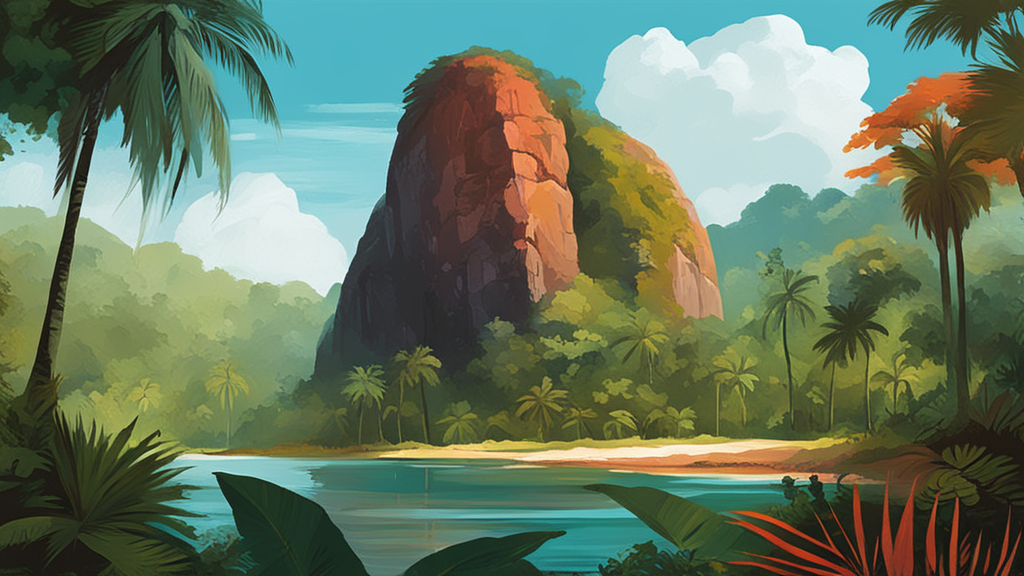
The Central Suriname Nature Reserve, established in 1998, was created through the integration of three existing reserves: Raleighvallen, Eilerts de Haan, and Tafelberg. This vast area is primarily composed of primary tropical forest, characterized by a mix of montane and lowland ecosystems. The reserve is located in the Sipaliwini District in west-central Suriname, showcasing stunning geological formations, including granite inselbergs that rise dramatically from the rainforest floor. Notably, the highest peak in the reserve is Juliana Top, reaching an elevation of 1,230 meters above sea level.
CSNR plays an essential role in protecting the upper watershed of significant rivers, including the Coppename River. This diversity in topography contributes to the reserve's ecological richness. With elevations ranging from 25 meters to 1,230 meters, the area features various habitats, including swamp forests, savannahs, and unique xerophytic vegetation on granite outcrops. The geological and ecological variety enhances the reserve's global conservation value.
Unique Biodiversity
The biodiversity within the Central Suriname Nature Reserve is nothing short of extraordinary. To date, nearly 6,000 vascular plant species have been identified, many of which are endemic to the region. The reserve is home to over 400 bird species, including the striking Guiana Cock-of-the-Rock and the majestic Harpy Eagle. Furthermore, a variety of mammals such as jaguars, giant river otters, and eight species of primates inhabit the reserve, demonstrating the richness of its wildlife.
One of the most fascinating aspects of CSNR is its largely unexplored nature. Significant portions of the reserve remain uncharted, meaning that researchers continue to discover new species and deepen our understanding of this unique ecosystem. The pristine condition of the reserve allows for viable populations of various species, highlighting its importance as a reference point for studying undisturbed tropical ecosystems.
Seasonal Considerations and Climate
Suriname's tropical climate means that visitors can expect warm temperatures year-round, typically ranging between 27°C to 32°C (80°F to 90°F). The Central Suriname Nature Reserve experiences two primary seasons: the rainy season, which lasts from April to August and November to February, and the dry season from February to April and August to November. The rainy season can lead to muddy trails and challenging conditions for trekking, while the dry season is generally more favorable for outdoor activities.
When planning a visit, consider the seasonal variations, as the climate can affect both accessibility and wildlife visibility. The dry months may provide better opportunities for spotting various species, while the rainy season can enhance the lushness of the surroundings.
Accessibility and Transport
Reaching the Central Suriname Nature Reserve requires some planning, as it is located approximately 150 kilometers (93 miles) from Paramaribo, the capital city. The most common route is to fly into Johan Adolf Pengel International Airport (PBM), located about 45 kilometers south of Paramaribo. From there, travelers typically arrange for a combination of road transport and river travel to reach the reserve's entry points.
Once inside the reserve, access to various trails and viewing points, such as the renowned Voltzberg, is possible through guided tours. Local tour operators often provide packages that include accommodation, meals, and guided excursions, making it easier for expatriates and tourists to explore the reserve's rich landscapes and wildlife.
Safety and Conservation Considerations
While the Central Suriname Nature Reserve is generally safe for visitors, it is essential to stay informed about potential safety concerns, including the need for vaccinations or health precautions. Additionally, as a UNESCO World Heritage site, the reserve is under the stewardship of Conservation International Suriname, which oversees its protection and management. Visitors are encouraged to respect the natural environment and adhere to guidelines set forth by conservation authorities to minimize human impact.
Travelers should also be mindful of wildlife safety, as encountering large mammals like jaguars can pose risks. Therefore, maintaining a safe distance and following the advice of experienced guides is crucial during excursions.
What Expats Should Know
For expatriates considering a visit to the Central Suriname Nature Reserve, a few practical tips can enhance the experience:
- Plan Ahead: Schedule tours in advance, especially during peak tourist seasons.
- Pack Accordingly: Bring appropriate clothing, waterproof gear for the rainy season, and sturdy hiking shoes.
- Stay Hydrated: Carry enough water, as facilities may be limited within the reserve.
- Engage with Local Guides: Hiring local guides not only enhances your understanding of the area but also supports the local economy.
Visiting the Central Suriname Nature Reserve is an unforgettable adventure that allows expatriates and nature lovers to experience one of the most pristine environments on Earth. With its rich biodiversity, unique ecosystems, and cultural significance, the reserve stands as a testament to the importance of conservation efforts in Suriname and beyond.
In conclusion, the Central Suriname Nature Reserve is a vital ecological treasure that offers profound insights into tropical biodiversity and conservation. Its status as a UNESCO World Heritage site underscores the global importance of protecting such areas. Whether you are a digital nomad, an international professional, or a family exploring new horizons, a visit to CSNR promises an enriching experience filled with natural wonders.
AI-Generated Content: This article was created with AI assistance and may contain inaccuracies. Please verify important information with official sources.