This guide was synthesized using the latest legislative data and verified by our editorial board. Laws are subject to change; always consult official sources for final confirmation.
Suriname is a land of diverse cultures and rich history, and exploring its heritage neighborhoods of Pompen and Peperpot offers an insightful glimpse into the country's past and natural beauty. This guide provides practical advice for expatriates and travelers looking to immerse themselves in the unique experiences these areas offer.
Introduction to Pompen and Peperpot
Pompen and Peperpot are two significant heritage neighborhoods located close to Paramaribo, Suriname's capital. Pompen, which translates to "pumps," refers to the historical water management systems used in the region, while Peperpot is known for its lush nature park and remnants of a former plantation. These areas are accessible within a short distance from the city center, making them ideal for day trips.
Visitors can expect to encounter a blend of historical architecture, vibrant local culture, and abundant wildlife. The area is characterized by its tropical climate, with temperatures typically ranging between 27-32°C year-round, making it an attractive destination regardless of the season.
Exploring Pompen: A Historic Journey
The Heritage of Pompen
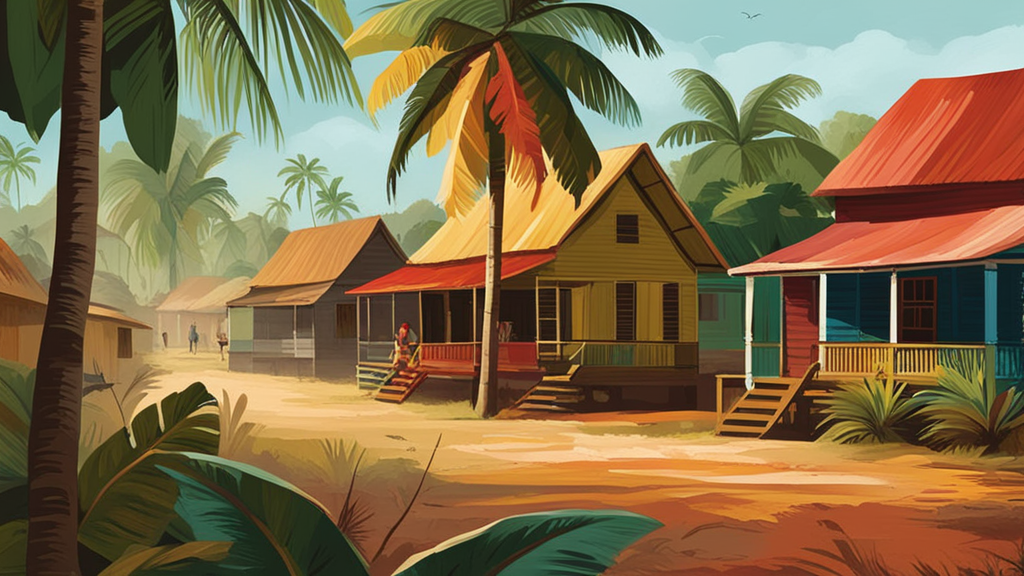
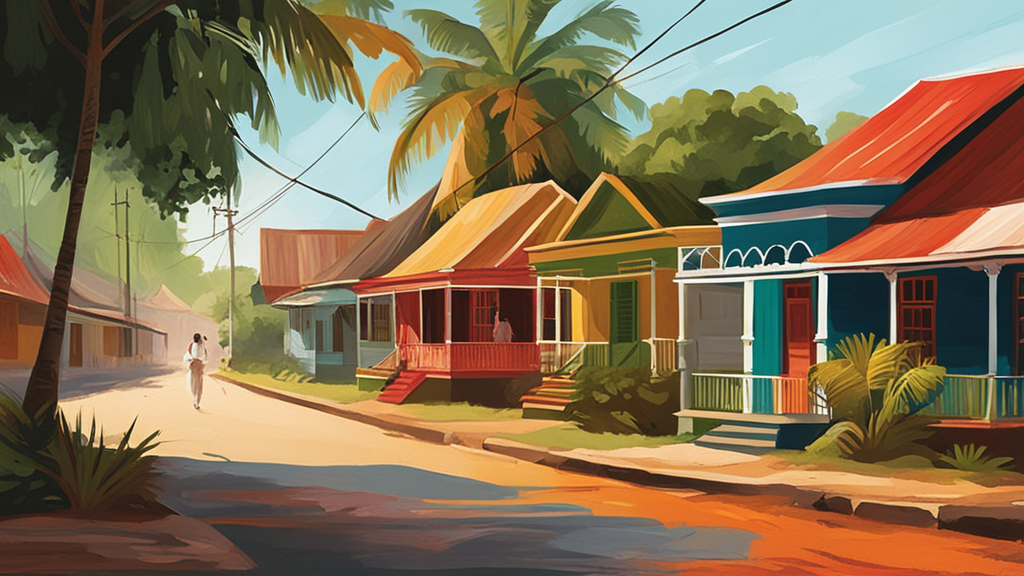
The Pompen neighborhood is rich in history, showcasing the impact of colonialism and the development of the area's agricultural practices. Walking through Pompen, you will find remnants of traditional Surinamese houses, colonial buildings, and historical landmarks that narrate the story of Suriname's past. These structures often feature vibrant colors and intricate architectural details that reflect the country’s cultural diversity.
As you explore, consider joining a guided tour that can provide context and stories behind the sites you visit. Local guides often share personal anecdotes and historical facts, enriching your understanding of the area's heritage.
Cultural Experiences in Pompen
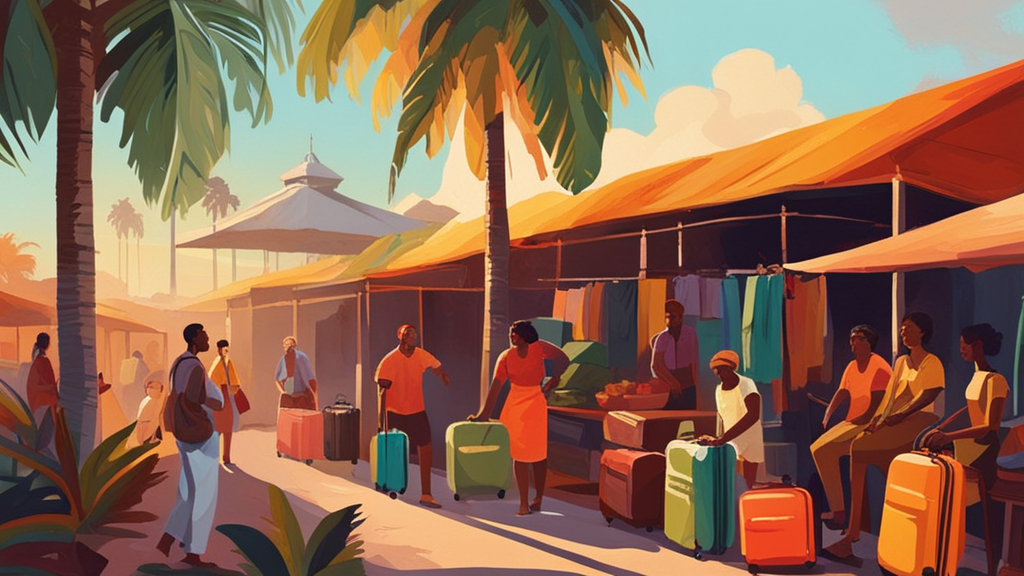
In addition to historical buildings, Pompen offers various cultural experiences. Local markets are vibrant spots where you can taste traditional Surinamese cuisine and purchase handmade crafts. Engaging with local vendors provides insight into daily life in Suriname and the diverse cultural influences that shape it.
Events and festivals often take place in this area, showcasing music, dance, and culinary traditions. Participating in these activities can enhance your experience and provide a deeper appreciation for the rich tapestry of Surinamese culture.
Discovering Peperpot: Nature and History Combined
Peperpot Nature Park
Just a short drive from Pompen, Peperpot Nature Park is an ecological haven that offers visitors a chance to immerse themselves in Suriname's tropical rainforest. The park was established on the grounds of a former coffee and cocoa plantation and spans approximately 820 hectares, showcasing a diverse ecosystem filled with exotic wildlife.
Visitors can explore well-marked trails that lead through lush greenery, where you might encounter monkeys, sloths, and a variety of bird species. Guided tours are available, which can enhance your experience by providing insights into the flora and fauna of the park. The trails are relatively flat, making them accessible for a wide range of fitness levels.
Historical Significance of Peperpot
The remnants of the old plantation are scattered throughout the park, including the restored coffee shed built in 1808. This site serves as a reminder of the area's agricultural history and the transition from plantation economy to conservation efforts. Exploring these historical structures can provide a fascinating glimpse into Suriname's past.
For those interested in botany and local agriculture, visiting nearby horticulturists can be an enriching experience. Here, you can learn about the cultivation of tropical fruits and herbs, such as mangoes, passion fruits, and cassava, which are integral to Surinamese cuisine.
Transportation and Accessibility
Getting to Pompen and Peperpot is straightforward, as both locations are approximately 5 to 30 kilometers from Paramaribo, depending on your destination. Taxis and local buses regularly service these areas, providing convenient options for expats and visitors. Renting a bicycle is another popular way to explore the neighborhoods at your own pace, offering an eco-friendly transportation alternative.
While the roads are generally well-maintained, be cautious of weather conditions, especially during the rainy season (April-August and November-February), which can lead to muddy paths in some areas. Always check local forecasts before planning your trip, and prepare for the tropical climate by bringing sufficient water, sunscreen, and insect repellent.
Practical Tips for Expats
When planning your visit to Pompen and Peperpot, consider the following tips to enhance your experience:
- Timing Your Visit: The dry season (February-April and August-November) is typically the best time to explore these areas, as the weather is more favorable for outdoor activities.
- Safety Considerations: While both neighborhoods are generally safe, it's advisable to stay aware of your surroundings, especially when exploring less populated areas. Travel in groups if possible, and avoid wandering alone at night.
- Local Customs: Engage with the local community respectfully. Learning a few words of Dutch or Sranan Tongo (the local Creole language) can go a long way in building rapport with residents.
- Bring Cash: While some places accept cards, having cash on hand can be useful, especially in local markets or for small purchases.
Conclusion
Exploring the heritage neighborhoods of Pompen and Peperpot provides a unique opportunity to experience Suriname's rich cultural history and stunning natural beauty. From the historical narratives of Pompen to the lush landscapes of Peperpot Nature Park, these areas offer an enriching experience for expats and travelers alike. Embrace the local culture, enjoy the scenic surroundings, and create lasting memories in this vibrant part of Suriname.
AI-Generated Content: This article was created with AI assistance and may contain inaccuracies. Please verify important information with official sources.
Last updated: September 2026