This guide was synthesized using the latest legislative data and verified by our editorial board. Laws are subject to change; always consult official sources for final confirmation.
Traveling between Suriname and Guyana has become increasingly popular due to the growing expat community and regional tourism. One of the most picturesque ways to make this journey is via the ferry that connects South Drain in Suriname to Moleson Creek in Guyana. This guide provides you with essential information about the ferry ride, border crossing procedures, and practical travel tips.
The Ferry Experience: South Drain to Moleson Creek
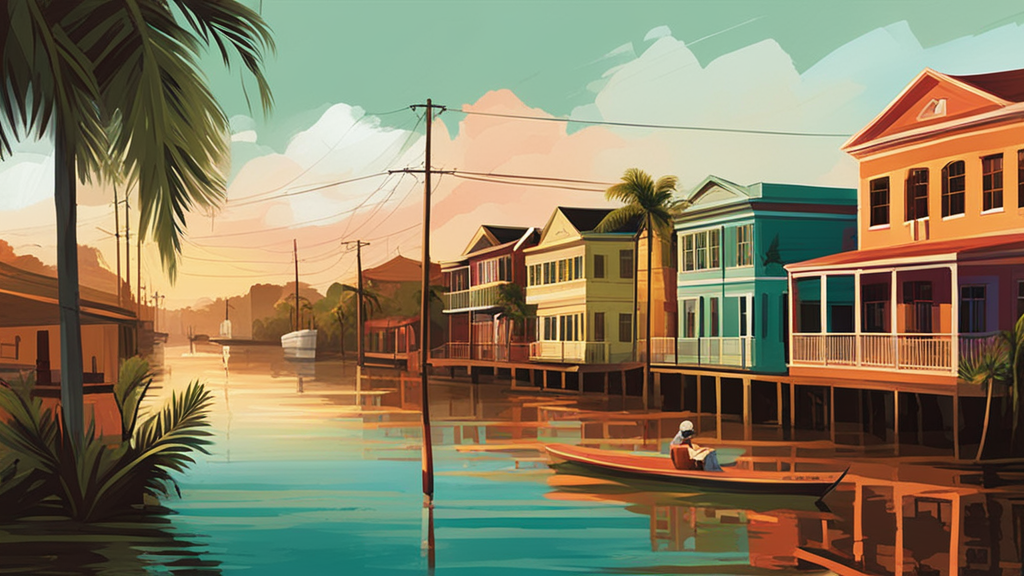
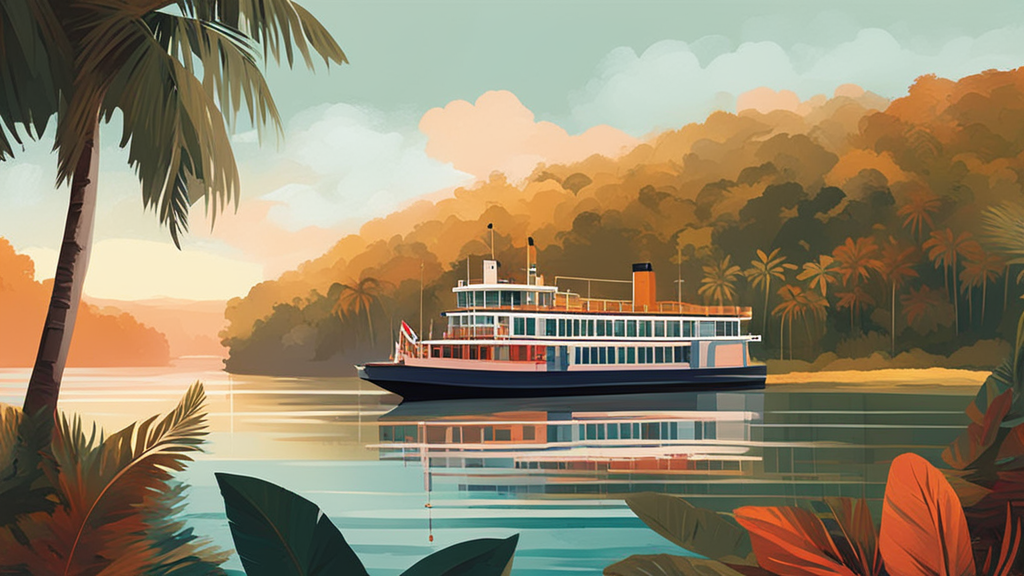
The ferry ride from South Drain to Moleson Creek typically takes about 40-45 minutes, gliding along the calm waters of the Corentyne River. This route is not only a practical means of transport but also offers stunning views of the lush tropical scenery and local life along the riverbanks. Keep your camera ready, as you may spot floating houses and small boats transporting goods and people.
The ferry is operated by Canawaima, which runs two services daily. It is advisable to arrive at the terminal early, especially if you are traveling during peak times or weekends. The ferry has limited capacity, and boarding is first-come, first-served, so arriving early can ensure you secure a spot.
Ferry Schedule and Ticketing
The ferry typically departs in the morning and early afternoon. To avoid any inconvenience, check the latest schedule online or inquire at the terminal. The ticket price is approximately USD$20 (about 757 SRD), which can be paid in either US dollars or Guyanese dollars. Be sure to have cash on hand, as credit cards may not be accepted.
Preparing for Your Journey
When traveling from South Drain, ensure you have all necessary documentation ready. This includes your passport, any required visas (if applicable), and proof of payment for Suriname's entry fee. It's also advisable to have your yellow fever vaccination certificate, as it is often requested at the border.
Border Crossing: What to Expect
Crossing from Suriname into Guyana involves a few steps, but it is typically straightforward. Upon arrival at the Moleson Creek terminal, you will need to complete the exit immigration procedures for Suriname. This includes filling out a departure form, which is usually straightforward.
After clearing Suriname's exit immigration, you will board the ferry and make your way to Guyana. Upon arrival at Moleson Creek, you will have to undergo entry immigration procedures for Guyana. Most nationalities can enter without a visa, but it is essential to verify this based on your nationality.
Immigration Procedures
The immigration process typically involves presenting your passport and any required documents. Be prepared to fill out an entry form for Guyana as well. The process generally takes less than an hour, but being patient and allowing for potential delays is wise.
Common Challenges and Tips
Travelers may encounter occasional delays during immigration checks, especially during peak travel seasons. To mitigate stress, it's best to travel with ample time for your journey. Always check your documents before heading to the ferry terminal, and consider traveling during the dry season, typically from February to April and August to November, to avoid adverse weather conditions.
Getting to and from the Ferry Terminals
Getting to the ferry terminal in South Drain is usually straightforward. If you're in Paramaribo, shared taxis or private vehicles can make the journey, which takes about 4 hours (around 200 km). The roads are typically well-maintained, but it’s always wise to check local traffic conditions before heading out.
Traveling from Moleson Creek to Georgetown
Once you arrive in Moleson Creek, your next step is typically to travel to Georgetown, the capital of Guyana. The distance from Moleson Creek to Georgetown is about 120 km, and the drive takes approximately 3 hours. Shared minibuses are available, providing a cost-effective means of transport, while private taxis can be arranged for more comfort.
Safety Considerations
Both the South Drain and Moleson Creek areas are generally safe, but as with any travel, it’s wise to stay alert and keep your belongings secure. Traveling during daylight hours is advisable, especially in more rural areas. Local advice suggests sticking to well-trafficked routes and avoiding isolated areas after dark.
Practical Tips for Expats
For those relocating to or visiting Suriname or Guyana, here are some insider tips to make your ferry experience smoother:
- Plan Ahead: Schedule your travel to coincide with the ferry timings and immigration hours.
- Have Cash Ready: Always carry cash in small denominations for ferry tickets and other local expenses.
- Stay Informed: Keep updated on local travel advisories and weather forecasts, especially during the rainy season.
- Connect with Locals: Engaging with local communities can provide invaluable insights and enhance your travel experience.
Conclusion
Traveling from South Drain to Moleson Creek via ferry is a unique and enjoyable way to experience the natural beauty of the region while connecting two vibrant nations. By preparing adequately and following the outlined tips, your journey can be both smooth and memorable. Whether you are an expat or a traveler, this ferry ride offers a glimpse into the rich culture and landscapes of Suriname and Guyana.
AI-Generated Content: This article was created with AI assistance and may contain inaccuracies. Please verify important information with official sources.
Exchange rate used in this article: 1 USD = 37.845 SRD, 1 EUR = 43.497 SRD (rate as of 2026-09-25, source: Centrale Bank van Suriname).
Primary Sources
Last updated: September 2026