This guide was synthesized using the latest legislative data and verified by our editorial board. Laws are subject to change; always consult official sources for final confirmation.
Suriname, located on the northeast coast of South America, boasts some of the most significant turtle nesting sites in the world. This guide provides essential information about the various nesting areas, the turtles you can encounter, and practical advice for making the most of your visit. Whether you're an eco-tourist, a digital nomad, or a family seeking adventure, Suriname's beaches offer a unique experience.
Key Turtle Nesting Sites in Suriname
Galibi Nature Reserve
Galibi Nature Reserve is one of the most renowned turtle nesting sites in Suriname. Located approximately 4 hours by boat from Paramaribo, the capital city, this reserve is accessible only via the Marowijne River. The journey to Galibi provides a glimpse of the lush Surinamese landscape, with its dense rainforest and diverse wildlife.
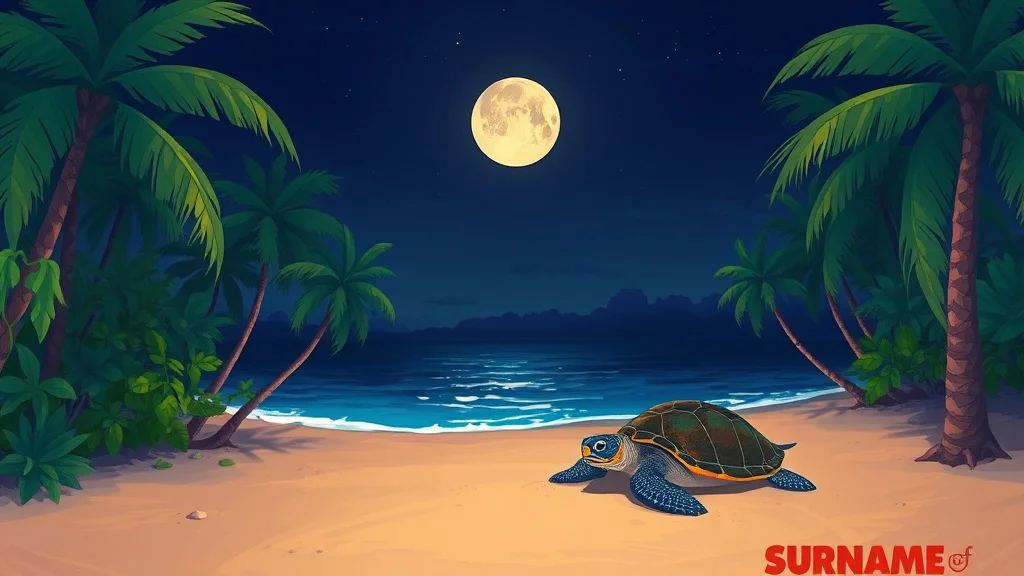
The reserve is a nesting ground for four different sea turtle species: green turtles, olive ridleys, hawksbills, and the impressive leatherbacks. The nesting season typically runs from January to August, with the peak nesting activity occurring in the warmer months. Witnessing a giant leatherback turtle, weighing over 150 kilograms, lay her eggs is an unforgettable experience.
Braamspunt Beach
Braamspunt Beach, located about 15 kilometers (9 miles) from Paramaribo, is another vital nesting site, particularly for leatherback turtles, which account for 90% of the local population. This beach is notable for its accessibility, making it a popular choice among eco-tourists and locals alike. However, it is essential to be aware of the beach's rapid erosion due to climate change and sand mining, which has significantly reduced its size over recent years.
The nesting season at Braamspunt runs from February to August, aligning with the warmer months. Visitors can join guided tours that start at night, as turtles typically come ashore to nest after sunset. These tours are often led by local guides who are passionate about the conservation of these magnificent creatures.
Getting to the Nesting Sites
Traveling to these nesting sites requires some planning. For Galibi, the most common method is to take a boat from the town of Albina, which can be reached by road from Paramaribo. The boat ride lasts about 30 minutes and offers a scenic view of the river and surrounding wildlife.
For Braamspunt, visitors can drive to the beach from Paramaribo, with several local transport options available. Depending on traffic and road conditions, the drive typically takes around 30 minutes. It is advisable to check the weather and road conditions before setting out, especially during the rainy season from April to August.
Climate and Seasonal Considerations
Suriname's tropical climate means that temperatures remain warm throughout the year, averaging between 27-32°C (80-90°F). However, the country experiences two primary seasons: the rainy season and the dry season. The rainy season, which occurs from April to August and November to February, can bring heavy rainfall, making some areas less accessible.
The dry season, from February to April and August to November, is generally more favorable for visiting nesting sites. During this time, the weather is typically clearer, making it easier to spot turtles and enjoy the surrounding environment. Planning your visit during the dry season can enhance your experience, as the conditions are often more suitable for outdoor activities.
What to Expect During Your Visit
Guided Tours and Activities
When visiting turtle nesting sites, joining a guided tour is highly recommended. Local guides are knowledgeable about the turtles' nesting behaviors and the surrounding ecosystem. They can provide valuable insights and enhance your overall experience. Many tours include night-time excursions to witness the nesting process, which can be both thrilling and educational.
During your visit, be prepared for various activities, including beach clean-ups, educational talks, and opportunities to learn about the conservation efforts in place to protect these endangered species. Engaging with local conservation groups can provide a deeper understanding of the challenges faced by turtles and the measures being taken to safeguard their habitats.
Safety Considerations
While visiting these nesting sites, it is crucial to prioritize safety, particularly during night excursions. Wear appropriate footwear, as the beaches can be uneven and rocky. Additionally, be cautious of your surroundings and maintain a safe distance from nesting turtles to avoid disturbing them. Flashlights should be used sparingly, as bright lights can disorient turtles. Instead, use red filters to minimize disruption.
Be aware of the potential for mosquitoes and other insects, especially during the rainy season. Applying insect repellent, wearing long sleeves, and carrying a first-aid kit can help ensure a safe and enjoyable experience.
Practical Tips for Expatriates and Visitors
For expatriates and visitors planning a trip to Suriname's turtle nesting sites, here are some insider tips:
- Book in Advance: Tours can fill up quickly, especially during peak nesting season. Booking in advance ensures you secure a spot on your desired tour.
- Pack Light: Bring only essential items, such as a camera, water, snacks, and insect repellent. Consider a small backpack for convenience.
- Respect Local Customs: Engage respectfully with local communities and follow any guidelines provided by your guides during your visit. This fosters a positive relationship between tourists and locals.
- Support Conservation Efforts: Consider contributing to local conservation programs or purchasing eco-friendly products from local artisans to support the community and its efforts in protecting sea turtles.
Conclusion
Exploring Suriname's turtle nesting sites offers a unique opportunity to witness the beauty of nature and engage in conservation efforts to protect these remarkable creatures. From the enchanting Galibi Nature Reserve to the vital Braamspunt Beach, each site presents its own set of experiences and challenges. With careful planning and respect for the environment, your visit can be both unforgettable and impactful. Embrace the adventure, and create lasting memories while contributing to the preservation of Suriname's rich biodiversity.
AI-Generated Content: This article was created with AI assistance and may contain inaccuracies. Please verify important information with official sources.
Last updated: July 2026