This guide was synthesized using the latest legislative data and verified by our editorial board. Laws are subject to change; always consult official sources for final confirmation.
For expatriate families relocating to Suriname, navigating the educational landscape can be challenging, especially when it comes to special needs education. Understanding the available support systems, resources, and cultural nuances surrounding education for children with disabilities is essential for ensuring a smooth transition. This article delves into the current state of special needs education in Suriname, the support that exists, and practical advice for families.
Current Landscape of Special Needs Education in Suriname
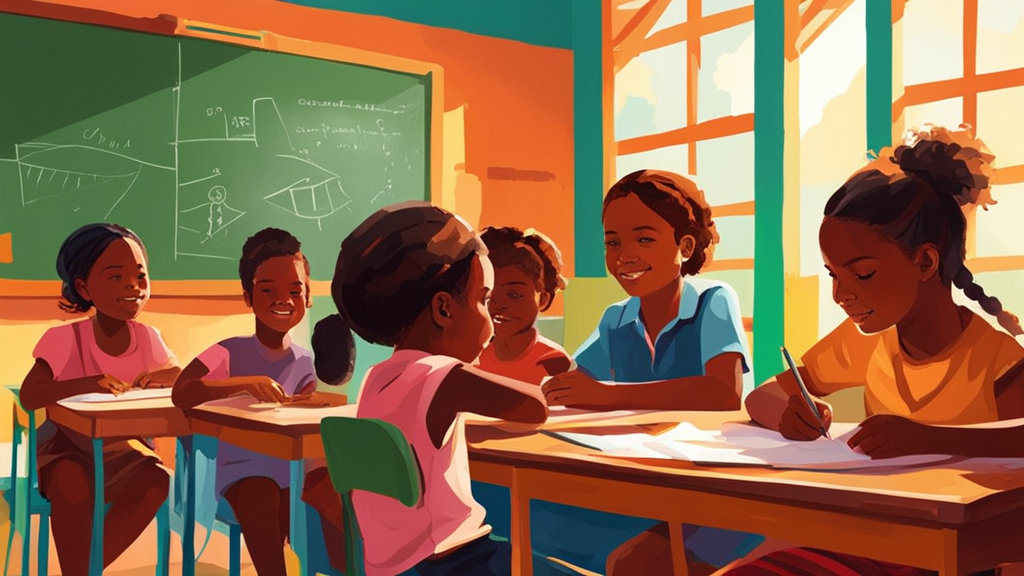
Special needs education in Suriname faces various challenges, primarily due to limited resources and societal attitudes towards disabilities. As of our last update, there are only a few specialized schools catering to children with disabilities, primarily located in Paramaribo. This scarcity often leads to a lack of awareness and understanding of the needs of children with disabilities among educators and the general public.
Families often report difficulties in accessing appropriate educational resources, which can be frustrating for expatriate families used to more structured support systems in their home countries.
Government Initiatives and Policies
The Surinamese government has made efforts to improve special needs education through various initiatives. There are ongoing discussions about integrating inclusive education practices within mainstream schools, though the implementation of these policies can be inconsistent. Families may find that while some schools actively promote inclusion, others may still rely heavily on traditional methods that do not accommodate children with disabilities.
Additionally, various organizations advocate for inclusive education in Suriname. They focus on creating awareness about the importance of accepting children with disabilities in regular classrooms and training teachers to adapt their teaching methods to meet diverse learning needs. Expat families can benefit from seeking out schools that collaborate with these organizations to ensure a more inclusive educational experience.
Available Support Systems
Despite the challenges, several support systems are available for families navigating special needs education in Suriname. These include specialized schools, community organizations, and international NGOs that focus on improving educational access for children with disabilities.
One of the prominent organizations working towards better educational outcomes for children with disabilities in Suriname provides funding for educational materials, teacher training, and awareness campaigns that encourage inclusive education. Engaging with such organizations can provide families with additional resources and support as they navigate the educational landscape.
Specialized Schools and Programs
In Paramaribo, a few specialized schools cater to children with specific disabilities. These institutions often focus on individual learning plans tailored to each child's needs. Families should take the time to visit these schools, meet with educators, and understand their teaching philosophies to find the best fit for their child.
For instance, some schools may offer therapies such as speech therapy or occupational therapy as part of their curriculum. Engaging with these therapies can significantly benefit children with disabilities, allowing them to develop essential skills in a supportive environment. Additionally, families should inquire about extracurricular activities that promote social interaction and inclusivity, as these can enhance their child's overall development.
Cultural Nuances and Adaptation
The cultural attitudes towards disabilities in Suriname can vary significantly from what expatriate families may be accustomed to. In some cases, there may be a lack of understanding regarding disabilities, leading to stigmatization. This can pose challenges for children with disabilities as well as their families.
To foster a more inclusive environment, expatriate families can play a vital role by actively participating in school events, engaging with local communities, and promoting awareness about disabilities. Sharing personal experiences and advocating for their child's needs can help bridge cultural gaps and encourage a more inclusive mindset among local families and educators.
Finding Community Support
Connecting with other expatriate families can provide valuable support. Local expat groups often share resources, experiences, and advice on navigating the educational system in Suriname. These connections can be particularly beneficial for families with children who have special needs, as they can exchange information about schools, programs, and therapists who have proven effective.
Social media platforms and community forums can be excellent resources for finding these groups. Many expatriates regularly post about their experiences, offering insights into specific schools, teachers, and support services available in the area. Engaging with these communities can help families feel less isolated and more empowered in their search for appropriate educational opportunities.
Practical Tips for Expat Families
Relocating to a new country with a child who has special needs can be overwhelming. Here are some practical tips for expatriate families to ensure a smoother transition:
- Research Schools: Before arriving, research schools that accommodate children with special needs. Reach out to them directly to inquire about their programs and support services.
- Visit Schools: Once in Suriname, schedule visits to potential schools to meet with educators and tour facilities. This firsthand experience can provide insight into how well a school may fit your child's needs.
- Engage with Local Organizations: Connect with local NGOs and organizations focused on inclusive education. They can provide resources, recommendations, and advocacy support.
- Network with Other Expat Families: Join expat groups to share experiences and gather information about schools, therapists, and other resources that have been helpful for others.
- Advocate for Your Child: Be proactive in communicating your child's needs with teachers and school administrators. Establishing open lines of communication can foster a supportive educational environment.
- Be Patient and Flexible: Understanding that the educational system may differ from what you are used to is important. Be prepared for challenges and remain adaptable as you navigate the system.
Conclusion
Special needs education in Suriname presents both challenges and opportunities for expatriate families. While resources may be limited, understanding the available support systems and actively engaging with local communities can significantly enhance the educational experience for children with disabilities. By researching schools, connecting with local organizations, and networking with other expat families, parents can empower their children to thrive in Suriname's educational landscape.
Ultimately, promoting inclusivity and understanding within the community will contribute to a better educational environment for all children, regardless of their abilities.
AI-Generated Content: This article was created with AI assistance and may contain inaccuracies. Please verify important information with official sources.
Primary Sources
Last updated: September 2026