
Relocating to Suriname, especially to its capital Paramaribo, involves significant logistical planning, particularly when it comes to shipping your household goods. One of the critical decisions you'll face is whether to opt for LCL (Less than Container Load) or a Full Container Load (FCL) for your shipping needs. Understanding the break-even point between these two options can save you considerable time and money, making your transition to life in Suriname smoother.
Understanding LCL and FCL
LCL shipping allows you to share container space with other shippers. You pay based on the volume of your items, typically calculated in cubic meters (CBM). This option is advantageous for smaller shipments, as you only pay for the space you occupy. On the other hand, FCL means you reserve an entire container, regardless of how much you fill it. This method can be more cost-effective if you have a larger shipment.
What Does Each Method Entail?
When you select LCL, your goods are consolidated with others at the origin and then deconsolidated upon arrival. This results in additional handling fees, which can impact the overall cost. The charges are typically composed of:
- Origin handling fees
- Destination deconsolidation fees
- Documentation charges
In contrast, FCL shipments incur fewer variable costs since you are responsible for the entire container. However, you may pay for space that you do not utilize, especially if your shipment is smaller.
Container Capacities and Costs
A standard 20ft container has an approximate usable capacity of 25 to 28 cubic meters. For a household, this could accommodate the contents of a two- or three-bedroom apartment, including furniture, appliances, and boxes. Understanding how much space your belongings will take up is crucial. If your items exceed 15 CBM, it is typically more economical to choose FCL, as the fixed costs associated with LCL can become disproportionately high.
Calculating the Break-Even Point
Determining the break-even point between LCL and FCL involves analyzing your total volume of goods and estimating the total costs associated with each option. For example, if you have around 10 CBM of goods, LCL is generally the better choice. However, as your volume approaches 15 CBM, it becomes essential to get quotes for both methods.
Let’s consider the following hypothetical costs for an LCL versus FCL shipment:
- LCL: charged by the cubic metre, so the total follows your volume. Ask two or three forwarders for a quote on your actual CBM, for the same route and the same incoterm, or the numbers are not comparable.
- FCL: The cost for a 20ft container could vary, but you may find yourself paying for unused space if you do not fill it adequately.
As the volume increases, say to 20 CBM, the costs might adjust to:
- LCL: Costs can vary based on the shipping company and specific requirements.
- FCL: The cost can vary based on the shipping company and specific requirements.
Here, it’s clear that at around 15 CBM, the pricing begins to equalize, and by the time you reach 20 CBM, FCL starts to become a more cost-effective solution.
Practical Considerations for Expatriates
When preparing for your move to Paramaribo, consider these practical tips:
- Inventory Your Belongings: Before deciding on LCL or FCL, make a detailed inventory of your belongings. This will help you understand the volume and weight of your items.
- Request Multiple Quotes: Always request quotes for both LCL and FCL from shipping companies. This will provide you with a clearer picture of your options and help you negotiate better rates.
- Consider Local Shipping Companies: Many local companies specialize in shipping to Suriname. They may offer competitive rates and personalized service, which can be beneficial for first-time expatriates.
- Understand Import Regulations: Familiarize yourself with Suriname’s import regulations. Some goods may require specific documentation or may incur additional taxes.
Real-Life Expat Experiences
Many expatriates moving to Paramaribo have found that the decision between LCL and FCL can hinge on personal circumstances. For instance, some families have opted for LCL because they were unsure about how much space they would need and didn't want to overpay for unused container space. However, they faced unexpected delays in receiving their items due to the deconsolidation process. In contrast, other expatriates who moved with a full 20ft container found that they could unpack and settle into their new home much more quickly, despite the higher upfront cost.
Cultural Nuances and Lifestyle Adjustments
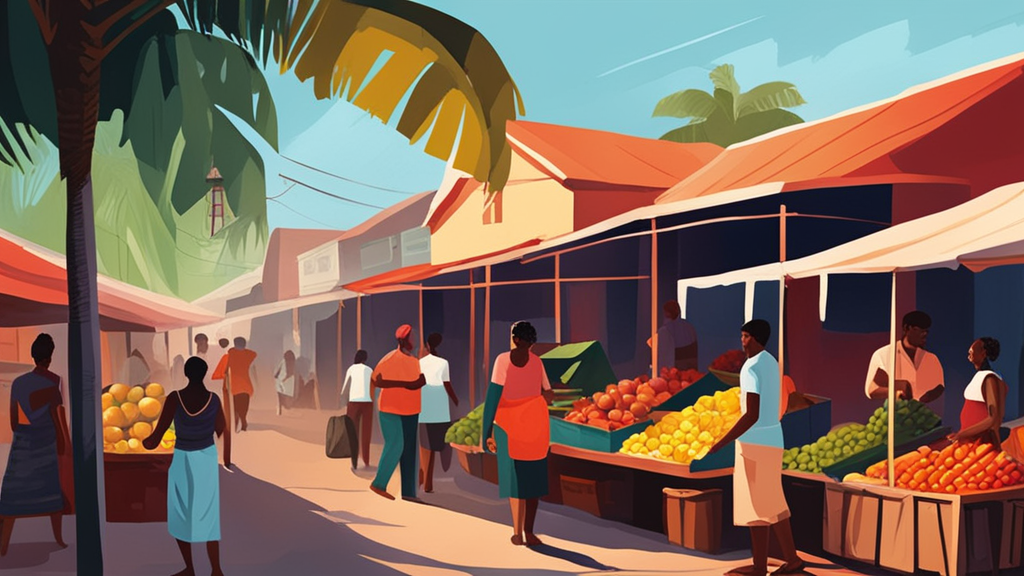
Moving to Paramaribo also means adapting to a new culture and lifestyle. The city is known for its warm climate, vibrant markets, and diverse community. Here are a few adjustments expatriates commonly experience:
- Language: While Dutch is the official language, many locals speak Sranan Tongo and English. Learning a few key phrases can help you integrate more smoothly into local life.
- Shopping: Supermarkets and local markets offer a variety of goods. Familiarize yourself with where to find Western products versus local ones, as this can influence what you choose to ship.
- Transportation: Public transportation is available but may not always meet the standards of Western cities. Many expatriates find it easier to rely on private vehicles, especially when settling in.
What Expats Should Know
As you plan your move to Paramaribo, keep these key points in mind:
- Assess the total volume of your belongings carefully. Overestimating can lead to unnecessary costs.
- Factor in the hidden costs of LCL, especially the handling fees that can quickly add up.
- Evaluate your timeline. If you need your items quickly, FCL may be the better option despite the cost.
- Networking with other expatriates can provide valuable insights and recommendations for shipping companies and local services.
In conclusion, deciding between LCL and FCL for your move to Paramaribo hinges on careful consideration of your shipment volume, budget, and timing. By understanding the break-even point and the associated costs, you can make an informed choice that suits your family's needs. Whether you opt for LCL or FCL, being well-prepared will ease your transition and help you start your new life in Suriname on the right foot.
Primary Sources
Last updated: October 2026