
This guide was synthesized using the latest legislative data and verified by our editorial board. Laws are subject to change; always consult official sources for final confirmation.
Suriname is often overlooked when discussing South American destinations, but its unique blend of culture, affordability, and tropical climate makes it an attractive choice for expatriates. This article compares living in Suriname to other South American countries, highlighting the cost of living, lifestyle, cultural experiences, and practical considerations that make Suriname a hidden gem in the region.
Cost of Living: Suriname vs. South America
When considering relocation, cost of living is typically a top concern for expats. Suriname offers a low cost of living, with expenses generally lower than those in many other countries. For instance, the estimated monthly budget for living modestly in Suriname can be quite affordable for a single person who opts for local housing, market food, and public transport. Meanwhile, expats seeking a more comfortable lifestyle, including a decent apartment and occasional dining out, can expect to spend a reasonable amount monthly.
In comparison, countries like Brazil and Argentina might have similar living costs in urban areas, but expenses can skyrocket in major cities such as São Paulo or Buenos Aires. Renting a one-bedroom apartment in the city center of Buenos Aires can be significantly higher than in Suriname, where accommodations tend to be more affordable. Additionally, grocery prices in Suriname are on par or even lower than those in neighboring countries, allowing for a comfortable lifestyle without breaking the bank.
Housing and Neighborhoods
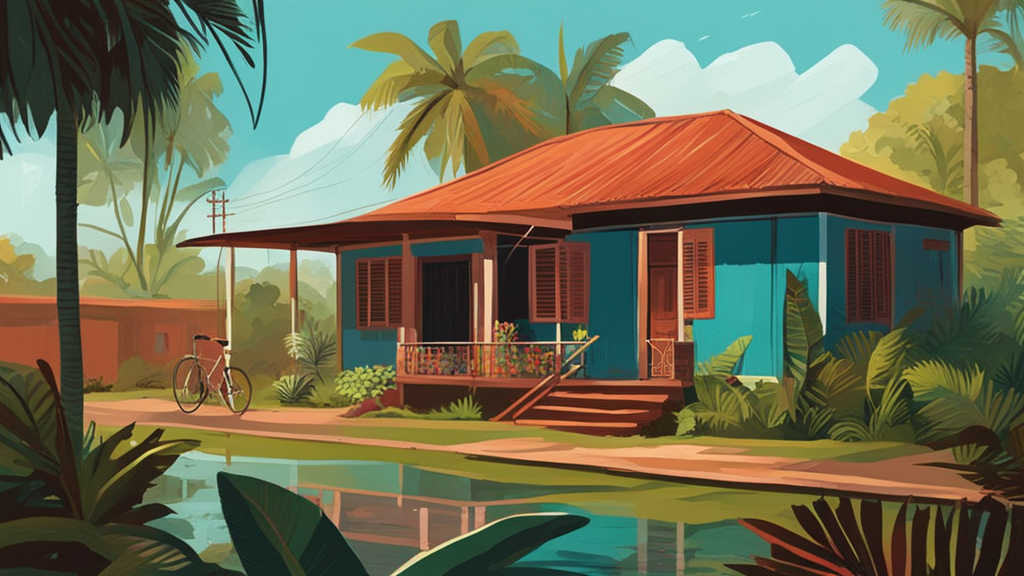
Housing options in Suriname are diverse, catering to various lifestyles and budgets. In Paramaribo, the capital city, expats often find an appealing mix of colonial charm and modern amenities. The historic inner city, a UNESCO World Heritage Site, features unique wooden architecture and vibrant neighborhoods, offering a culturally rich living experience.
For families or those seeking more space, various residential neighborhoods provide a sense of community, green spaces, and access to schools and parks. In contrast, renting a similar apartment in cities like Santiago, Chile, can be significantly more expensive, often exceeding typical costs for comparable units in Suriname.
Cultural Experiences and Lifestyle
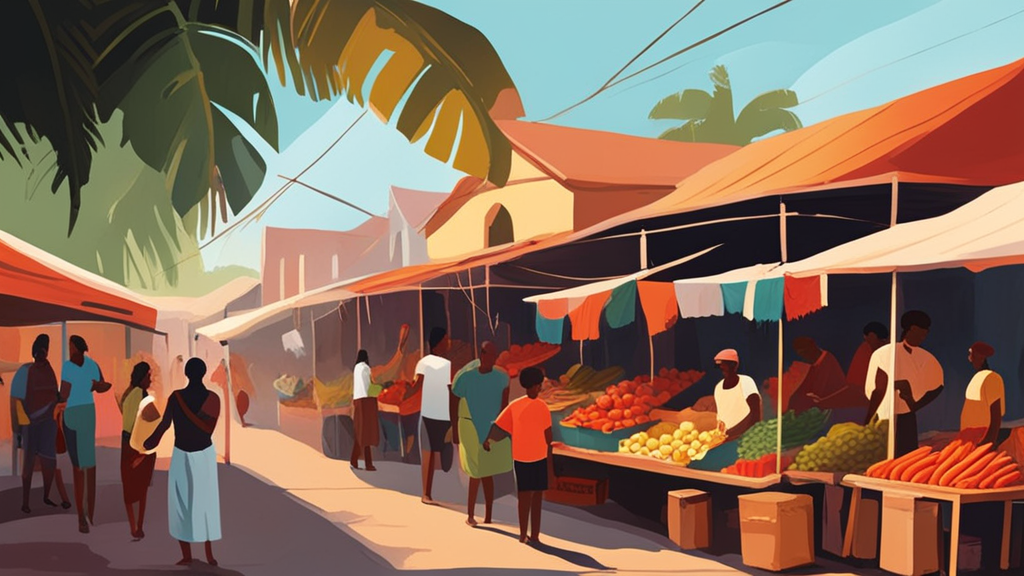
Suriname's multiculturalism is one of its greatest assets. The country is home to a blend of ethnicities, including Creole, Javanese, Hindustani, Maroon, Indigenous peoples, and Dutch. This diversity enriches the cultural fabric of the nation, manifesting in festivals, food, and everyday interactions.
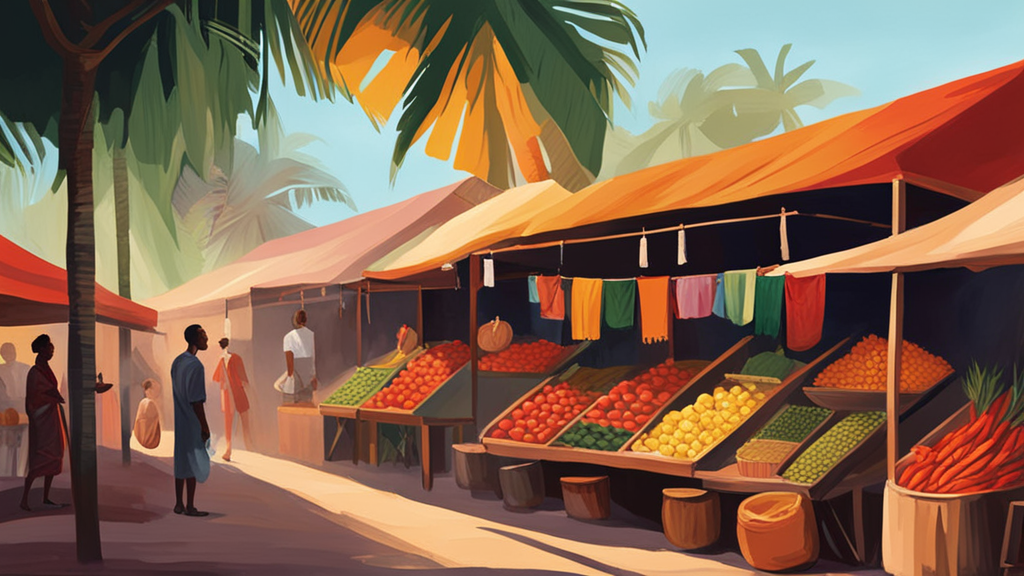
Dining in Suriname is an adventure in itself. Locals enjoy a variety of cuisines, from Javanese nasi goreng to Indian roti and traditional Creole dishes like pom, which is a baked casserole made with chicken and tayer root. Eating out is also relatively affordable, with meals at local restaurants being budget-friendly, while a dinner for two at a mid-range restaurant is also accessible. This contrasts with dining costs in countries like Peru or Colombia, where similar meals can be pricier, especially in tourist hotspots.
Furthermore, Suriname’s vibrant festival calendar, featuring celebrations like Holi and Diwali, provides expats with an opportunity to deeply engage with the local culture. Participating in these events fosters community connections and enriches the living experience.
Weather and Environment
The tropical climate of Suriname is another significant factor contributing to its appeal. With temperatures ranging from 25 to 33°C (77 to 91°F) year-round, the weather is consistently warm and humid. Suriname experiences two rainy seasons, with heavy rain typically falling from April to August and lighter rains from November to February. This climate is ideal for outdoor activities, eco-tourism, and exploring the country’s stunning natural beauty, including the vast Amazon rainforest.
Compared to other South American countries like Ecuador or Colombia, which also have tropical regions, Suriname offers a unique advantage: it is located south of the Caribbean hurricane belt, minimizing the risk of severe weather disruptions. This makes it an excellent choice for those who prefer a stable tropical environment without the threat of hurricanes.
Transportation and Accessibility
Getting around in Suriname is relatively straightforward, with various transportation options available. Public buses and shared taxis are common and affordable, making it easy for expats to navigate the city. For expats, having a private vehicle can enhance mobility, especially for families or those living outside urban areas. Fuel costs in Suriname are also comparatively low.
In contrast, relying on public transportation in larger cities like Bogotá or Lima can be more challenging due to congestion and longer commute times. While Colombia and Peru offer extensive public transport systems, they can also be more expensive and less reliable than in Suriname. Additionally, the limited number of international flights to Suriname can make travel planning more complex.
Practical Tips for Expats
Adapting to life in Suriname comes with its unique set of challenges and rewards. Here are some insider tips for expats considering a move:
- Language: While Dutch is the official language, many locals speak English and Sranan Tongo. Learning basic Dutch phrases can enhance your experience and help with daily interactions.
- Utilities: Air conditioning is essential due to the tropical climate. Expect to budget for utilities, especially in the warmer months.
- Healthcare: Access to healthcare is generally good, but expats are advised to invest in private health insurance for better options and faster service.
- Community: Engage with local expat communities through social media groups or community events. This can provide support and help with the transition.
Conclusion
In summary, living in Suriname offers a unique blend of low living costs, rich cultural experiences, and a welcoming environment for expatriates. Its affordability, combined with a diverse lifestyle and stunning natural beauty, makes it an attractive alternative to other South American countries. Whether you are a digital nomad, professional, or family, Suriname provides a comfortable and enriching place to call home.
AI-Generated Content: This article was created with AI assistance and may contain inaccuracies. Please verify important information with official sources.