
This guide was synthesized using the latest legislative data and verified by our editorial board. Laws are subject to change; always consult official sources for final confirmation.
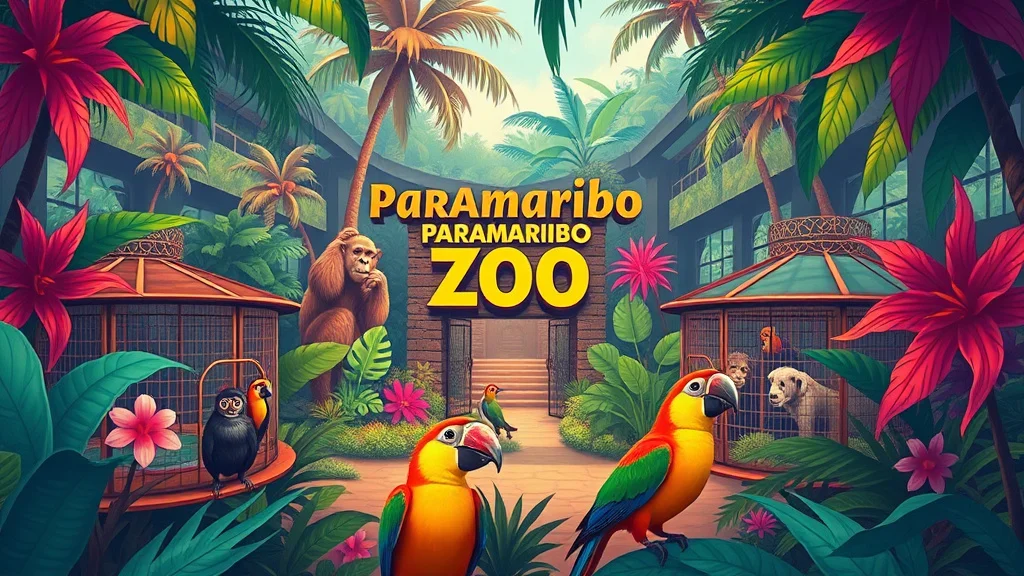
For expatriates and families living in Suriname or considering a relocation, the Paramaribo Zoo offers a delightful excursion into the local wildlife. This small yet charming zoo, located in the capital city, is home to a variety of animals native to the region. In this article, we’ll explore what the zoo has to offer, practical tips for visiting, and how it compares to zoos in Western countries.
Overview of Paramaribo Zoo
The Paramaribo Zoo, officially opened in May 1972, is the only zoo in Paramaribo and serves as an important hub for conservation and education. Initiated by former Prime Minister Jopie Pengel, the zoo was designed to house animals that were previously kept as pets or confiscated from illegal ownership. Today, approximately 75% of its animals are native species, offering a unique glimpse into Suriname's rich biodiversity.
Visitors can expect to see a variety of wildlife, including monkeys, jaguars, caymans, and exotic birds like the scarlet ibis. The zoo's layout features individual enclosures that aim to mimic the animals' natural habitats, although some visitors note that the space can feel limited. As of our last update, the zoo had undergone renovations aimed at improving the living conditions for its inhabitants, demonstrating a commitment to animal welfare.
What to Expect During Your Visit
Upon arriving at the Paramaribo Zoo, you will find it nestled within a wooded area, providing a peaceful escape from the hustle and bustle of city life. The entrance fee is typically affordable, making it an accessible outing for families. Visitors have shared that the zoo has a more intimate feel compared to larger zoos found in North America or Europe, allowing for a closer connection to the animals.
While some enclosures might feel small, the zoo does include a variety of species that one might not typically see in Western zoos. For instance, the zoo is known for its collection of local monkeys, including the red howler and spider monkeys, as well as the jaguar, which are all significant parts of Suriname's ecosystem. However, visitors should be prepared for the tropical heat, as the average temperature hovers around 27 to 32°C (80 to 90°F). Bringing water and staying hydrated is crucial during your visit.
Family-Friendly Activities and Features
The Paramaribo Zoo caters to families with young children, offering a small water park that was added to enhance the visitor experience. This area allows kids to cool off while enjoying the outdoors, making the zoo a fun day out for families. Additionally, the zoo frequently organizes educational programs that focus on wildlife conservation, which can be a great way for children to learn about the importance of protecting local species.
For parents, the zoo provides a unique opportunity to engage children with nature and wildlife in a safe environment. Families can take leisurely strolls through the zoo's paths, spotting different animals and learning about their habitats. The signs throughout the zoo are usually bilingual, featuring both Dutch and English, making it easier for expats and visitors to understand more about the animals on display.
Cultural Nuances and Adaptation
Visiting the Paramaribo Zoo can be an enlightening experience, particularly for expatriates who may be transitioning to life in Suriname. The zoo's focus on local wildlife encourages visitors to appreciate the natural beauty and diversity of the region. Engaging with local families during your visit can also provide insights into Surinamese culture and values, as many locals enjoy spending weekends at the zoo.
As you explore, be mindful of the cultural significance of wildlife in Suriname. Many animals are not just viewed as attractions but hold important roles in local folklore and traditions. Understanding this perspective can deepen your appreciation for the zoo and the conservation efforts it represents.
Practical Tips for Visiting
- Timing: The zoo is typically less crowded during weekdays, making it a great option for a more relaxed visit.
- Transportation: If you’re using local transportation, be prepared for bumpy roads leading to the zoo. Consider arranging a taxi for a more comfortable journey.
- Dress Appropriately: Wear light, breathable clothing and comfortable shoes, as you will be walking around the zoo for several hours.
- Respect the Animals: Encourage children to observe the animals quietly and discourage any rough behavior near enclosures.
- Food and Drink: Pack snacks and water, as the options within the zoo may be limited and can become more expensive than local grocery stores.
Conclusion
The Paramaribo Zoo presents a unique opportunity for expatriates, families, and wildlife enthusiasts to explore the rich biodiversity of Suriname. With its focus on local species and engaging educational programs, the zoo serves as both a recreational and informative destination. While it may not offer the same scale as larger zoos in Western countries, it provides valuable insights into the region's wildlife and conservation efforts. A visit to the Paramaribo Zoo can be a rewarding experience, showcasing the beauty of Suriname's natural heritage.
AI-Generated Content: This article was created with AI assistance and may contain inaccuracies. Please verify important information with official sources.
Last updated: September 2026