This guide was synthesized using the latest legislative data and verified by our editorial board. Laws are subject to change; always consult official sources for final confirmation.
Paramaribo, the vibrant capital of Suriname, is rich in culture and history, offering an array of museums and art galleries that reflect its diverse heritage. This article delves into the best cultural institutions in the city, providing expatriates and visitors with insights on what to expect, how to get there, and what makes each venue unique.
1. Suriname Museum
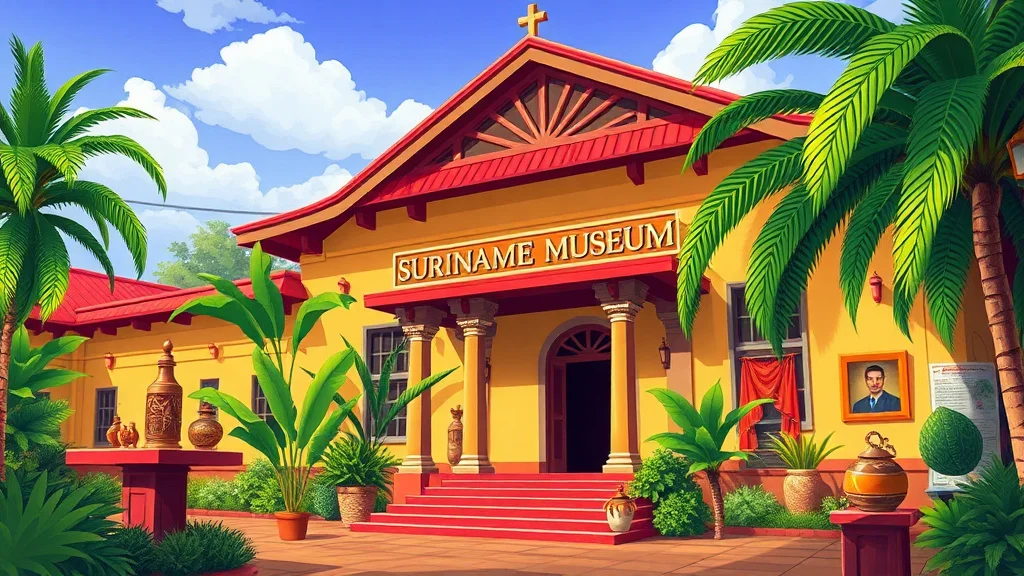
The Suriname Museum is a must-visit for anyone interested in the history and culture of the nation. Located in the heart of Paramaribo, this museum chronicles the development of Surinamese society from pre-colonial times to the present day. Exhibits include artifacts from the indigenous peoples, colonial history, and contemporary art.
This museum not only serves as a repository of Surinamese heritage but also as a platform for contemporary local artists. Regular temporary exhibitions are held that focus on different aspects of Surinamese life and creativity. As of our last update, visitors can expect to pay a nominal entry fee, generally around SRD 10-20 (approximately USD 1-2). It's advisable to check for any guided tours that may enhance your experience; these can provide deeper insights into the exhibits, especially for those unfamiliar with Surinamese culture.
2. Art Gallery Asewa
Art Gallery Asewa is a hidden gem in Paramaribo, known for showcasing the works of local artists, particularly those from underrepresented communities. This gallery features a variety of mediums, including painting, sculpture, and mixed media. The ambiance is relaxed, making it a great place to spend an afternoon.
What sets Asewa apart is its commitment to community engagement. The gallery frequently hosts workshops and artist talks, allowing visitors to interact with creators and learn about their artistic processes. This engagement provides a unique opportunity for expatriates to connect with the local art scene. Keep an eye on their calendar for upcoming events; attending one can significantly enhance your understanding of Surinamese art and culture.
3. Independence Square (Onafhankelijkheidsplein)
While not a traditional museum, Independence Square serves as a cultural hub in Paramaribo. The square is surrounded by significant architecture, including the Presidential Palace and the National Assembly, both of which are impressive examples of colonial architecture. It is also a great place to witness local life, with vendors selling crafts and traditional foods.
Many cultural events and festivals take place here, offering expatriates a chance to immerse themselves in Surinamese traditions. For example, during national holidays, you might find performances showcasing traditional music and dance, which are integral to the Surinamese identity. Approaching local artists and vendors can lead to fascinating conversations about their crafts and histories.
4. Museum of the Nation
The Museum of the Nation focuses on the diverse cultural tapestry of Suriname. This museum presents the stories of various ethnic groups, including the Maroons, indigenous peoples, and Creoles. Each exhibit is thoughtfully curated to highlight the unique contributions of these communities to Surinamese culture.
Interactive displays often engage visitors, making it a family-friendly destination. For expatriates, this museum offers an essential perspective on the multicultural aspects of Surinamese society, which can be enlightening when adapting to life in Suriname. Entry fees align with other local museums, typically around SRD 15-25 (USD 1.50-3), making it an accessible option for families or groups.
5. Gallery G.H. Hira
Gallery G.H. Hira is another excellent venue for art lovers. This gallery focuses primarily on contemporary Surinamese art, with a rotating collection that features both established and emerging artists. The gallery is known for its vibrant exhibitions that often challenge social norms and provoke thought.
Visiting this gallery often leads to a more profound appreciation of the current artistic trends in Suriname. Engaging with the gallery staff can provide insights into the themes explored by the artists. If you're lucky, you might catch an opening reception, which is a fantastic opportunity to network with artists and other art enthusiasts.
6. Practical Tips for Expatriates
As you explore the museums and galleries in Paramaribo, keep these practical tips in mind:
- Language: While many locals speak English, especially in tourist areas, learning a few basic phrases in Dutch or Sranan Tongo can enhance your interactions.
- Transportation: Public transport in Paramaribo is limited, so consider using taxis or ride-sharing apps to get to the museums. Biking is also an option, with bike rentals available near the city center.
- Cash: Most museums accept cash, so carry some Surinamese Dollars (SRD) with you. Credit cards may not be widely accepted, especially in smaller galleries.
- Opening Hours: Museums typically open around 10 AM and close by 5 PM. Some may have reduced hours on weekends, so checking ahead is advisable.
Cultural Nuances and Adaptations
Living in Suriname offers a unique blend of cultures, which is reflected in its art and museums. Expatriates may find that events often blend traditional and contemporary elements, showcasing the country’s dynamic identity. Participating in local festivals or art workshops can provide a deeper understanding of these cultural nuances.
Also, consider visiting during the Suriname Art Week, an event that features local artists and their works across various venues. This event is a fantastic way to meet fellow expatriates and locals while enjoying the vibrant art scene.
In conclusion, Paramaribo’s cultural landscape is rich and diverse, offering expatriates numerous opportunities to explore and engage with local art and history. From established museums like the Suriname Museum to community-focused galleries like Asewa, there's something for everyone. Engaging with the local artistic community can provide invaluable insights into Surinamese culture, making your expatriate experience both enriching and enjoyable.
AI-Generated Content: This article was created with AI assistance and may contain inaccuracies. Please verify important information with official sources.
Last updated: September 2026