This guide was synthesized using the latest legislative data and verified by our editorial board. Laws are subject to change; always consult official sources for final confirmation.
Groningen, the capital of the Saramacca District in Suriname, offers a unique experience for travelers interested in exploring the rich culture and natural beauty of this tropical country. This article will guide you through what you need to know before visiting Groningen, focusing on accessibility, climate, local attractions, and practical tips to enhance your stay.
Understanding Groningen: A Brief Overview
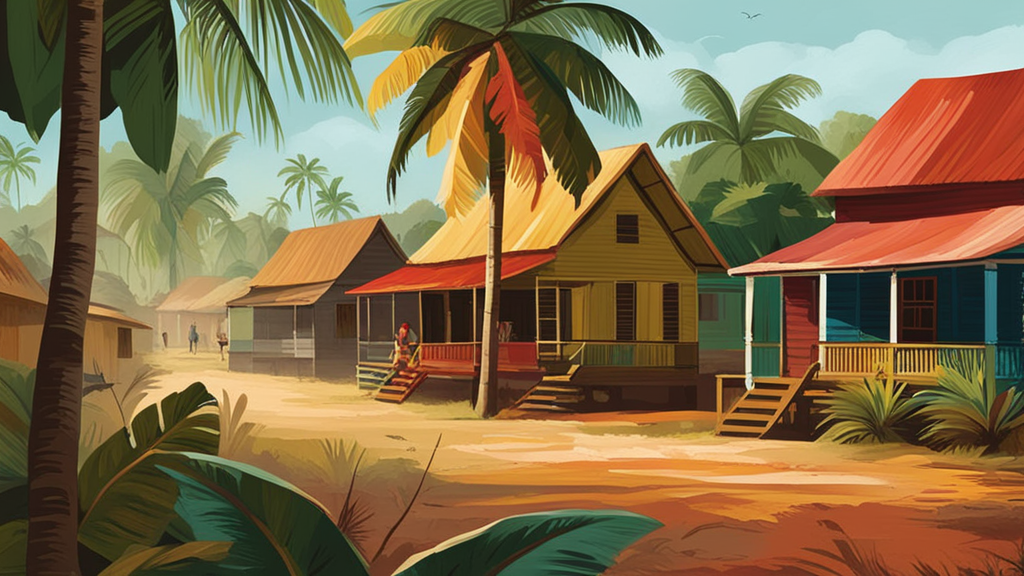
Groningen is situated about 50 kilometers north of Paramaribo, Suriname's capital, making it a convenient getaway for those looking to explore beyond the bustling city. As of our last update, this district is characterized by a blend of cultural heritage and natural landscapes, providing a glimpse into the traditional way of life in Suriname. The region is known for its diversity, with a mix of ethnic groups contributing to a rich cultural tapestry.
Most of the population in Groningen engages in agriculture and fishing, which are essential for the local economy. The town itself is small and relatively quiet, offering a relaxing atmosphere ideal for families and digital nomads seeking a break from the hectic pace of urban life. Visitors can enjoy local markets, cultural events, and the surrounding natural beauty.
Getting to Groningen
Traveling to Groningen is typically done via road from Paramaribo. The journey takes about 1 to 1.5 hours by car, depending on traffic conditions. Road conditions can vary, so it's advisable to check local advice before embarking on your journey. Public transportation options, such as buses or shared taxis, are also available and are often used by locals for their affordability.
Once in Groningen, the town is small enough to navigate on foot or by bicycle, providing an intimate way to explore the area. Ensure you have a local SIM card or a reliable map, as GPS services can sometimes be unreliable in more rural areas.
Climate and Best Times to Visit
Groningen experiences a tropical climate with temperatures averaging between 27°C and 32°C (80°F and 90°F) year-round. The region has two main seasons: the rainy season (April to August and November to February) and the dry season (February to April and August to November). The dry season is typically considered the best time to visit, as outdoor activities like hiking and cycling are more enjoyable without the interruption of heavy rains.
During the rainy season, expect higher humidity and occasional downpours. However, this season can also present unique opportunities to experience the lush greenery of the forests and the vibrant ecosystems that flourish during this time. Be prepared with appropriate rain gear if you choose to visit during the wet months.
Local Attractions and Activities
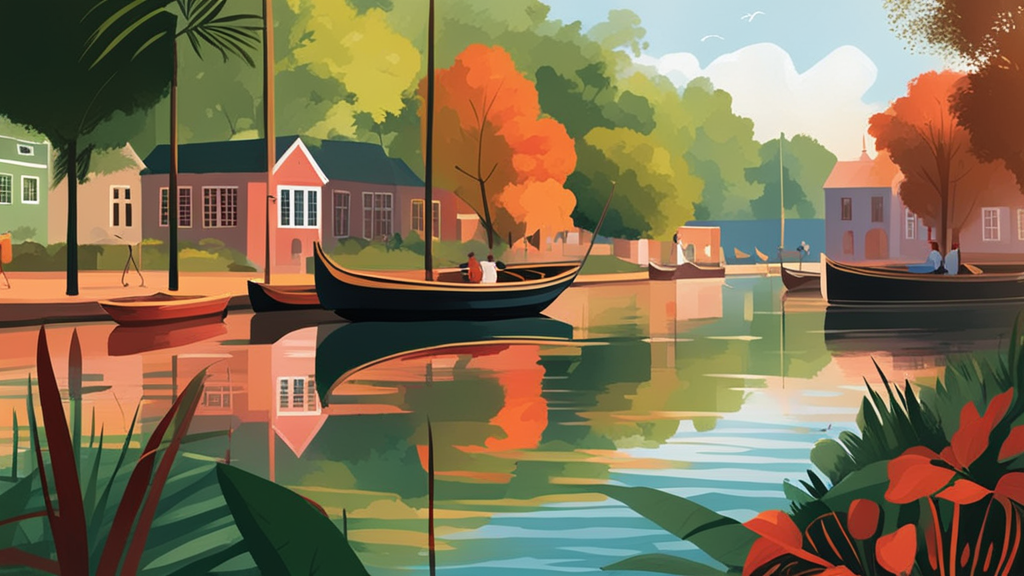
Groningen is surrounded by stunning natural landscapes and cultural sites that are worth exploring. One of the main attractions is the nearby Saramacca River, where visitors can engage in fishing, boating, or simply enjoying the serene views. The river is vital for local transportation and is often bustling with activity, providing a glimpse into daily life in the area.
In addition to natural beauty, Groningen hosts various cultural events and festivals throughout the year. These events often showcase traditional music, dance, and food, offering visitors a vibrant insight into the local culture. Keep an eye out for announcements about local events during your visit, as these can greatly enhance your experience.
Safety Considerations
While Groningen is generally considered safe for travelers, it's advisable to take standard precautions as you would in any unfamiliar area. Avoid displaying valuable items, especially in crowded places, and be cautious when walking alone at night. Familiarize yourself with local customs and norms to ensure respectful interactions with residents.
In case of emergencies, local health facilities are available, but it's wise to have travel insurance that covers health issues. It's also advisable to stay updated on any travel advisories or health recommendations specific to the region.
Practical Tips for Expats and Travelers
For expatriates and long-term visitors planning to stay in Groningen, integrating into the local community can be rewarding. Learning some basic phrases in Sranan Tongo, the local language, can enhance your interactions and help you connect with residents. Local markets are great places to shop for fresh produce and experience daily life; don't hesitate to engage with vendors.
Additionally, while most basic amenities are available, some specific items may be challenging to find. Bringing essential products from your home country may be beneficial, especially if you have particular dietary needs or preferences. Familiarize yourself with local dining options, as many restaurants offer a mix of traditional Surinamese cuisine and international dishes.
Conclusion
Visiting Groningen in the Saramacca District provides a chance to experience the natural beauty and rich culture of Suriname. With its accessible location, unique attractions, and warm community, Groningen is an excellent destination for both short-term travelers and expatriates. By preparing adequately and embracing local customs, you can make the most of your visit and create lasting memories in this vibrant part of Suriname.
AI-Generated Content: This article was created with AI assistance and may contain inaccuracies. Please verify important information with official sources.
Primary Sources
Last updated: September 2026